

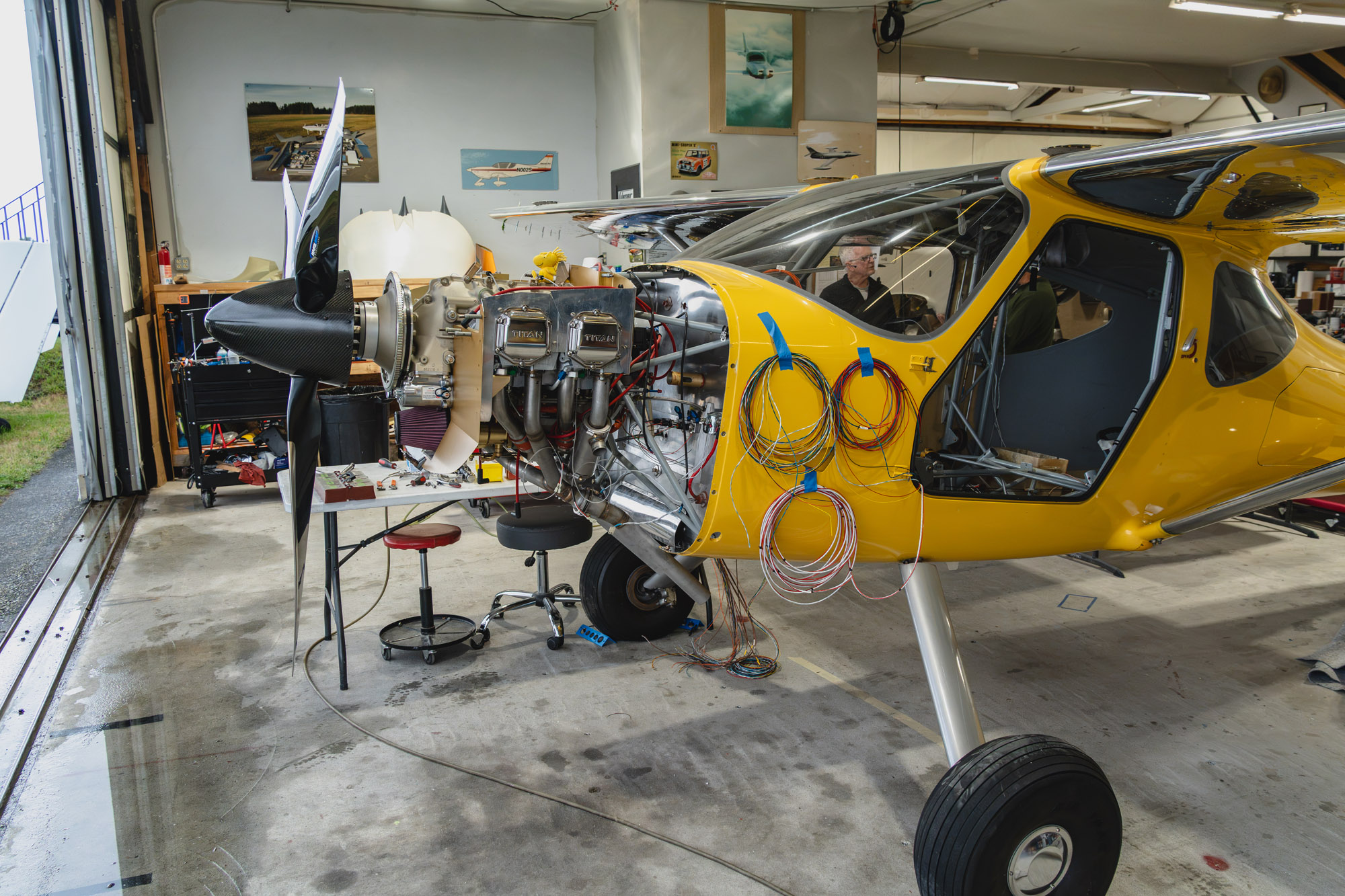
When I left off with this series, I had expressed my awe with how fast the GlaStar upgrade project was moving along; however, at some point during this project, the phrase “90% done and 90% to go” escaped my lips for the very first time. What I didn’t know at the time is how painfully true the saying would become. At its first declaration, the major components and tasks were done, and I was proud to perpetuate the insider joke referring to the multitude of small and seemingly insignificant tasks ahead. So, during the first two weeks of the phase, I winked and laughed lightheartedly. When someone would ask, “So, how’s the project?” I could smile and say, “Oh, you know, 90% done and 90% to go!” Then began another two weeks. When asked the same question, I responded with more of an uneasy smile but still the same. Then another two weeks, then four, then more, and the words began to come out in vain. As August rolled around, the sobering reality began to feel overwhelming, but with persistence, we eventually got to its end. This is the story of the “90%” process.
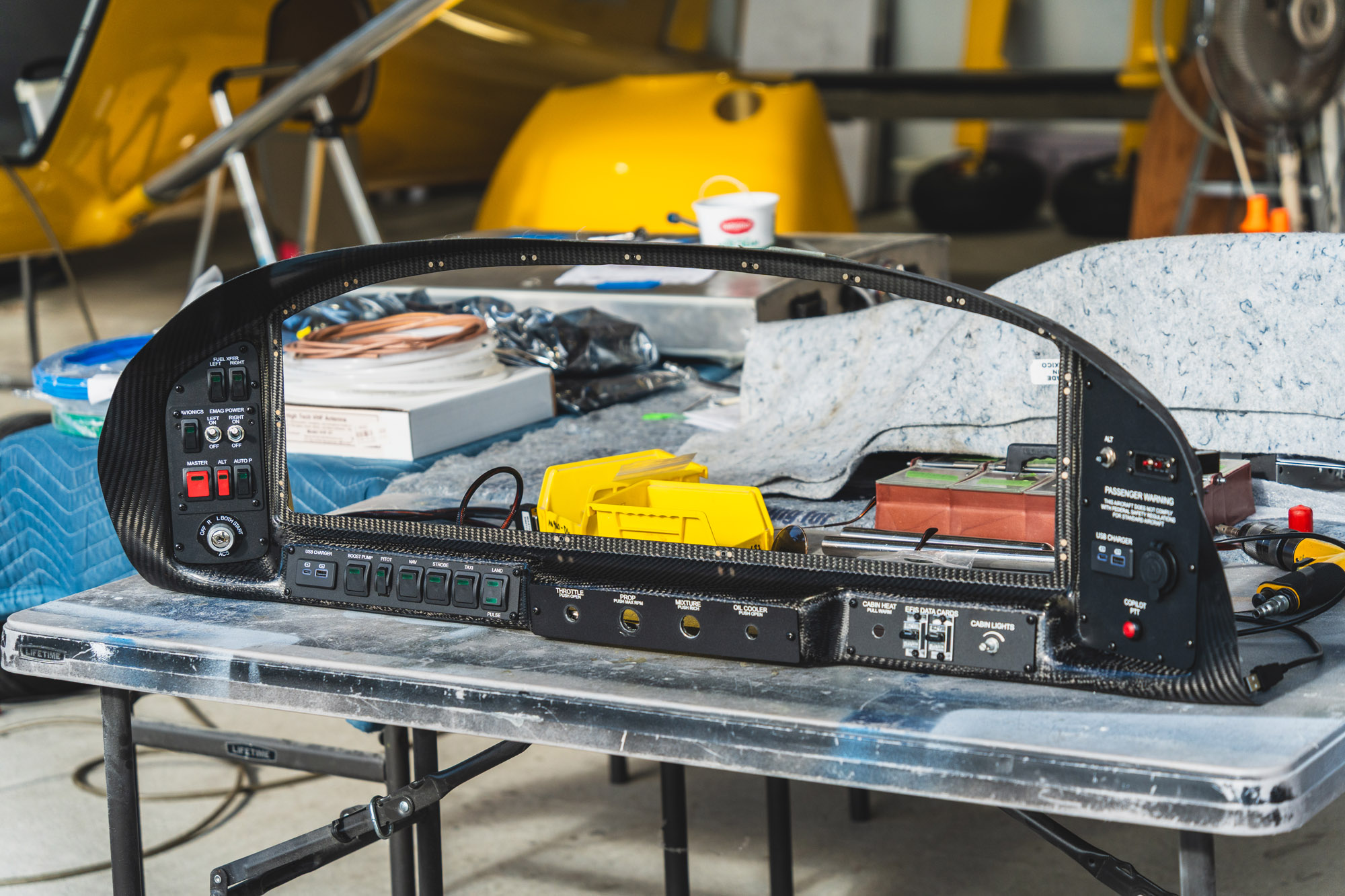
While working full time, I could only afford (both in time off and money) to make one to two trips per month up to Arlington to put in my sweat equity. By then, I was typically so far mentally removed from the project that it was very difficult, if not impossible, to simply show up and jump back in. It required a mental shift and some preparation before I could even go to pick up a tool. I largely stuck to one specific task to help with this, namely wiring, to cut down on confusion while Ephraim Carter worked on other tasks, such as the fuel lines and firewall forward. I couldn’t help but wonder how the state of the project would differ if I could work on it every day, even for just a couple of hours per day. Despite these obstacles, I trucked ahead and relied heavily on Ephraim, who had his own projects and commitments to attend to on the side, to keep the project on track. Thus, I slid into the deep, dark crevice of despondence. “How are we ever going to get this all done?”
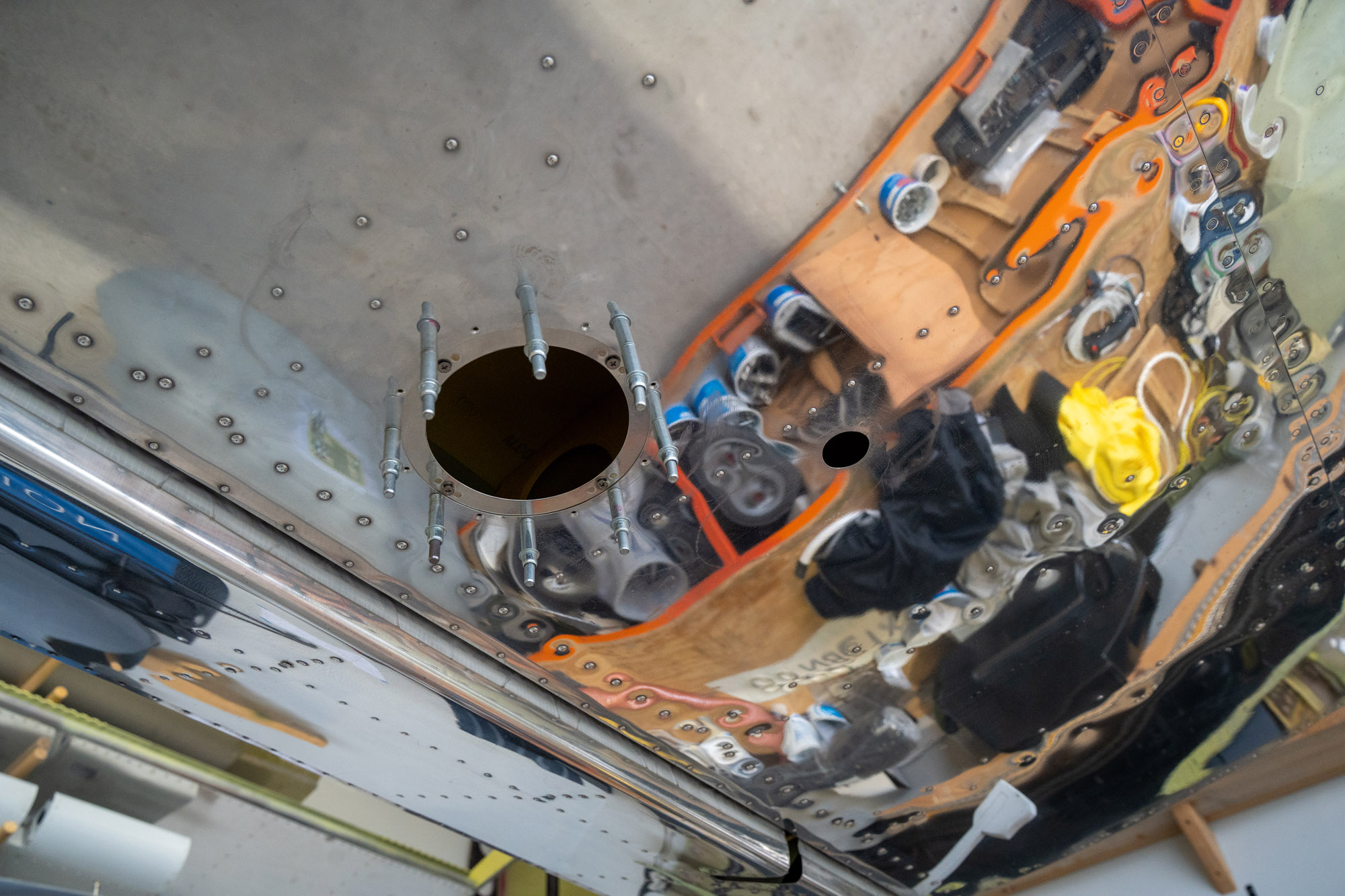
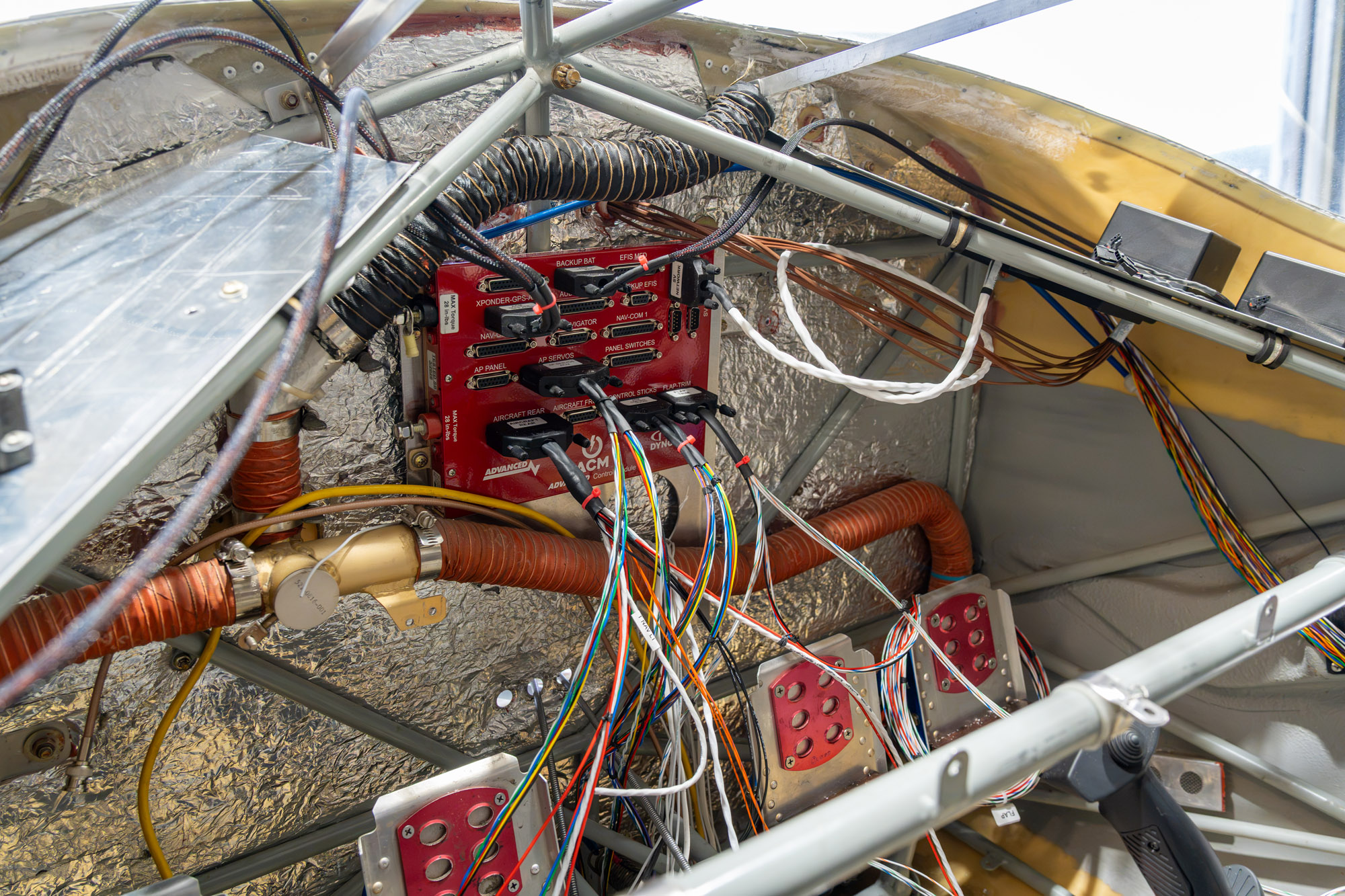
One highlight from early June was applying power to the instrument panel for the first time. This was made possible in part by ordering the Advanced Panel in a mostly prewired state. It was probably premature, running an alligator clip from the master switch to ground to make it work at the last second before I caught a flight back home, but it was a morale boost unlike any other. As the screens came to life, we giggled as if witnessing the rebirth of an airplane, or at least one waking up from a very long nap.
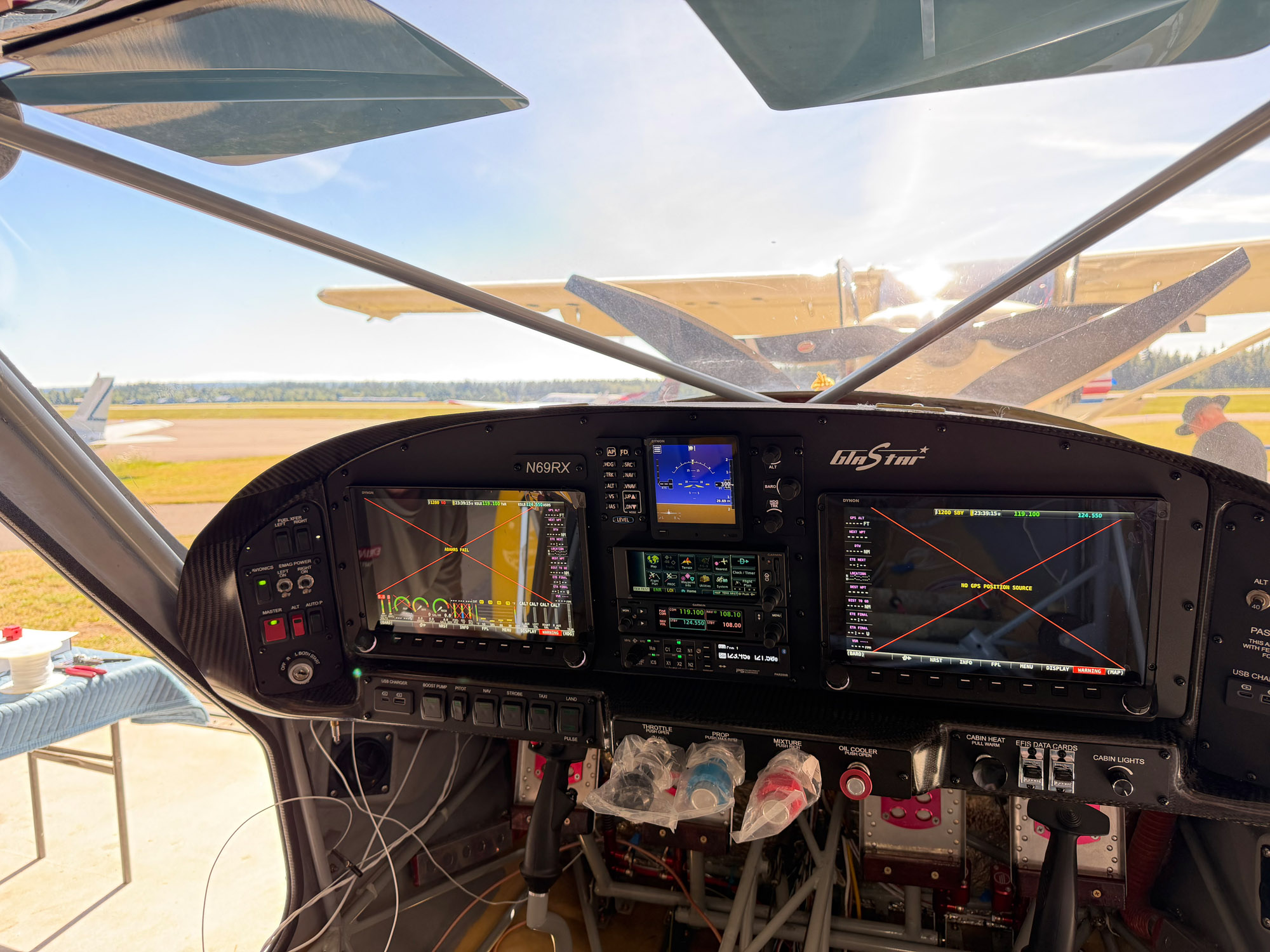
I returned in late June, and at this stage of the process, the instrument panel was mounted and power tested, though not much was hooked up. Thus began the worst of our “90% to go” phase. We joked that we would take breaks to stare at the dark Dynon screens and the pretty carbon fiber and called it our “panel therapy.” The best part about panel therapy was either imagining the panel fully powered and finished, or the awe and envy of hangar visitors when they also came to partake in “panel therapy.” Staring at a blank panel, however, does not make the rest of the airplane finish building itself. Probably one of my lowest moments was the following week when we needed to remove the wings.
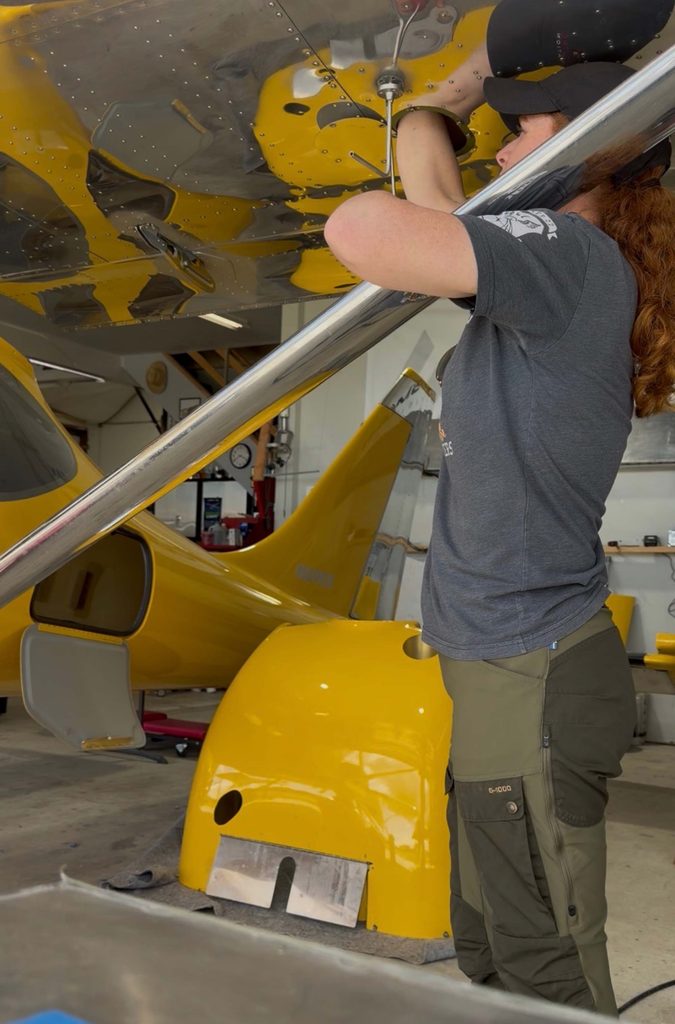
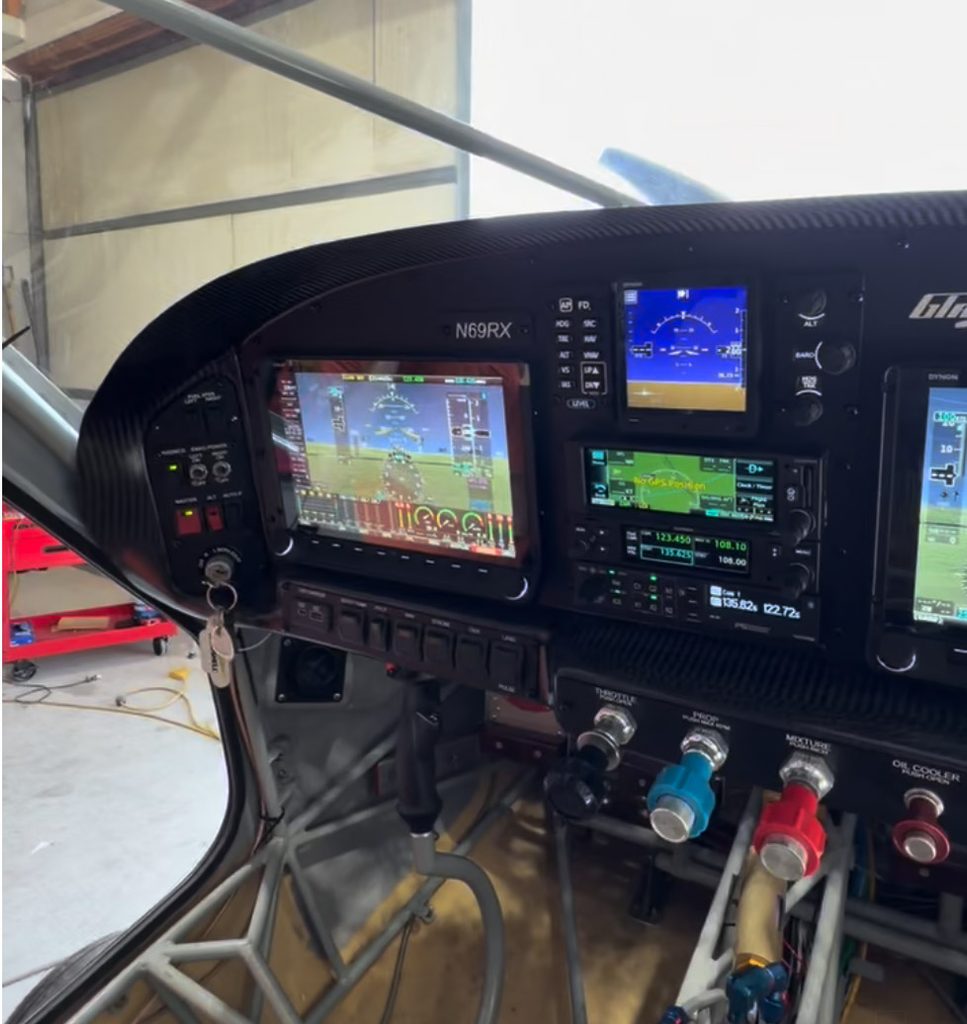
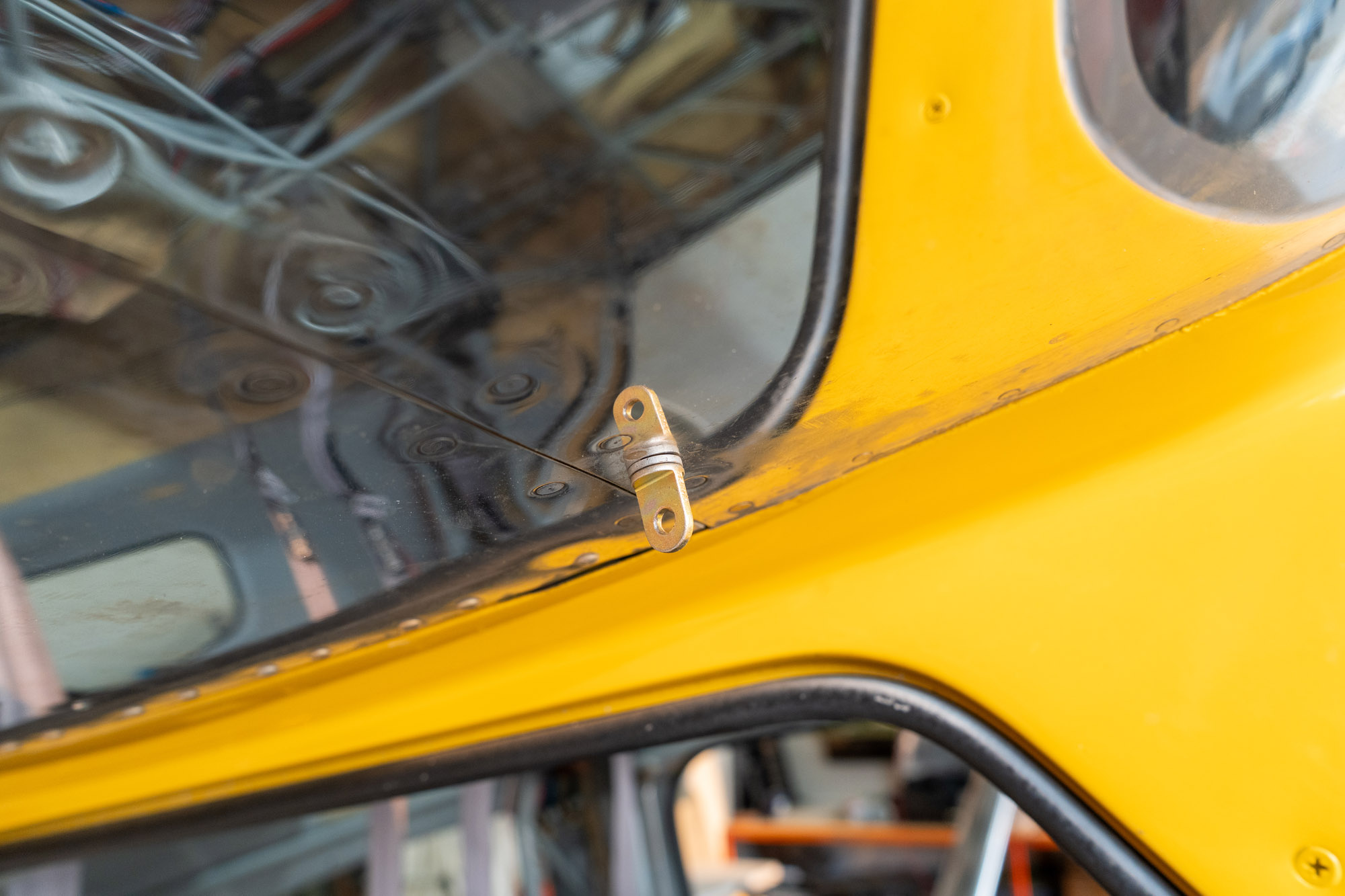
Upgrading to CiES fuel senders is something I’ll be glad I did, but it did require significant modifications, leading us to remove the wings to access the main fuel tanks. Seeing the first wing come off felt like such an unrecoverable step backward, but then as the second wing came off, we overlooked the 8.50×6 main landing gear tire as a tripping hazard, and the right wing was within inches of hitting the ground when it was caught just in time by a bystander. I was surrounded by feelings of, “What if the wing had been dropped? How did we take a perfectly good airplane and wind up as a wingless project, anyway?” The thoughts swirled around in my brain as I went to bed that night in the same old hotel that was getting all too familiar. The following day, we all took a vow of safety with a renewed sense to slow down whenever needed. It was then I began to make peace with the timeline. Sometimes, slow and steady is the best answer; therefore, slow is not inherently a bad thing.
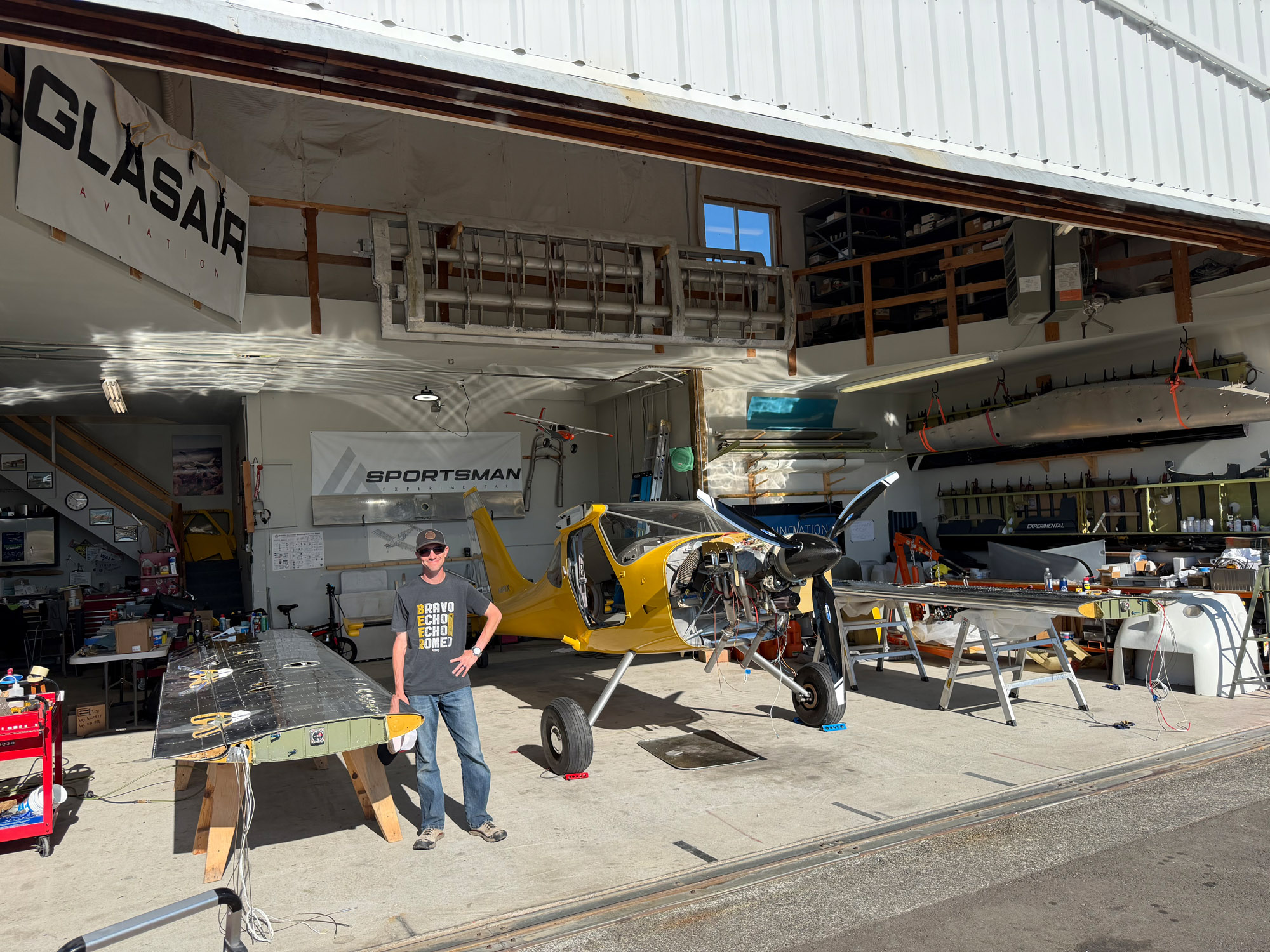
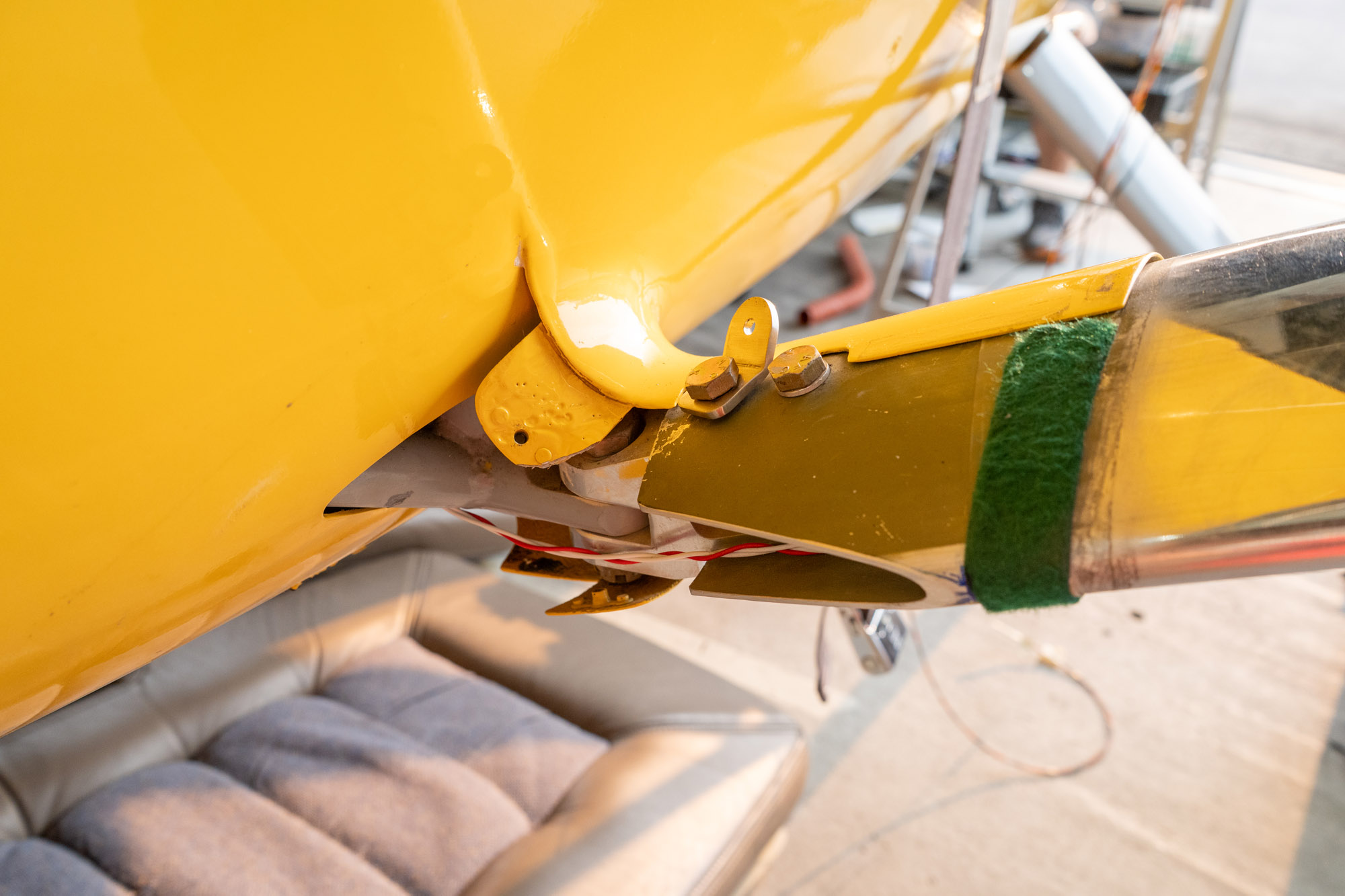
When Richard originally built N69RX, he never intended to fold the wings, so he cut several tasks out of the build manual, such as omitting an angle-cut on the lower end of the wing strut and installing receptacles into the wings that facilitate the bracing rods. So, if one good thing came from removing the wings, it was that we completed these tasks and unlocked the ability to fold Woodstock’s wings in the future. Also, thankfully, before we left that week, we were able to finish the fuel tank upgrades, reinstall the fuel tanks, and mount the new upgraded wings and struts back to the fuselage, having completed an immense amount of work and getting to see Woodstock look like an airplane once again.
I am thankful for many cheerleaders who have been helping me through this marathon of a project, such as Chris, one of Ephraim’s recent customers who was putting the finishing touches on his RV-10 that has now taken its first flight. Seeing his project’s completion offers a glimmer of hope, and even just the kind gesture of allowing me to borrow his wiring tools, as mine are 1,050 miles away in Denver, is a significant help. I’ve also received so much help from Jeff, a subject matter expert in all things experimental, who holds down the fort of what’s left in the old Glasair factory. It takes a village to tackle a project this large, and I’m thankful I chose the right village.
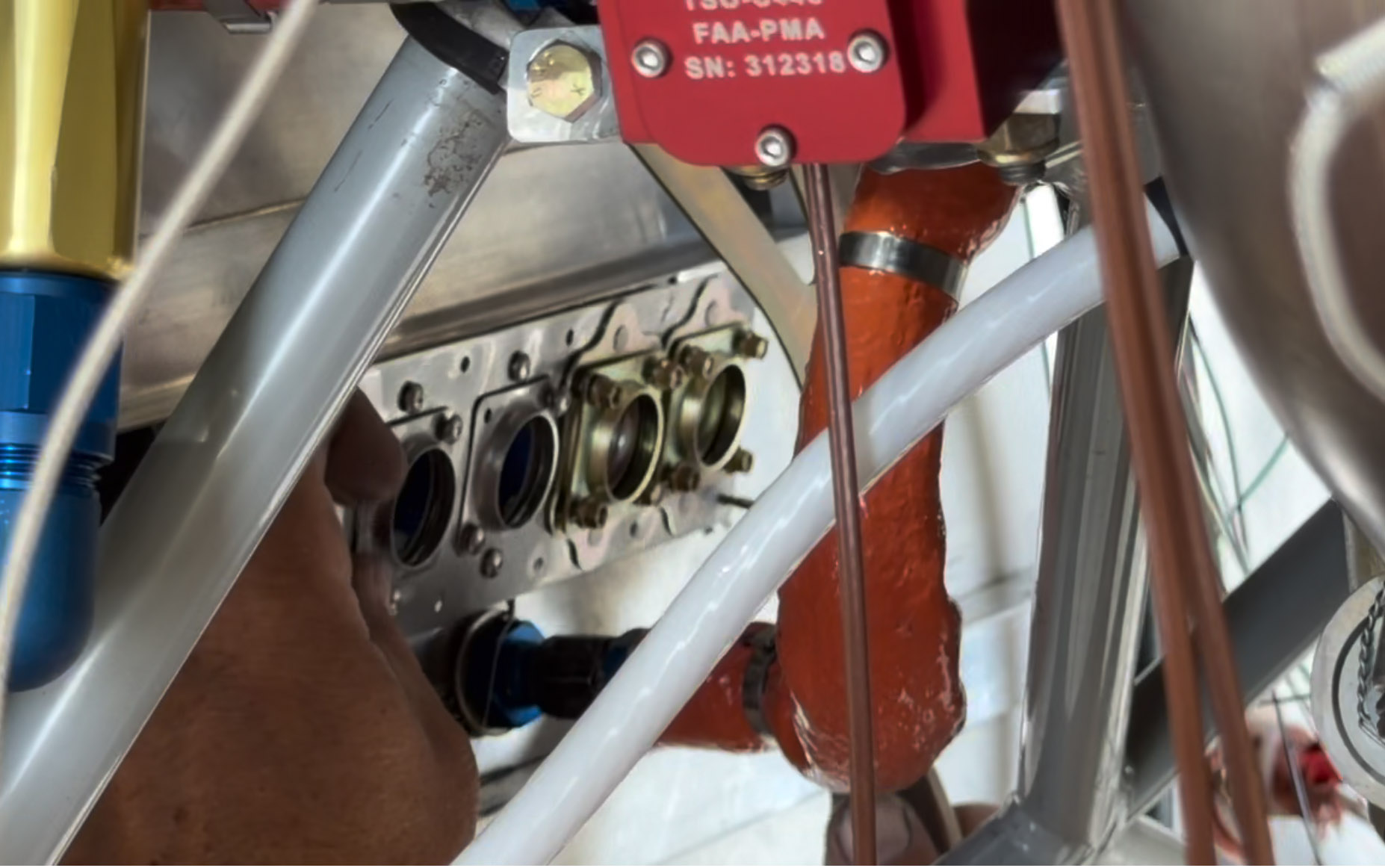
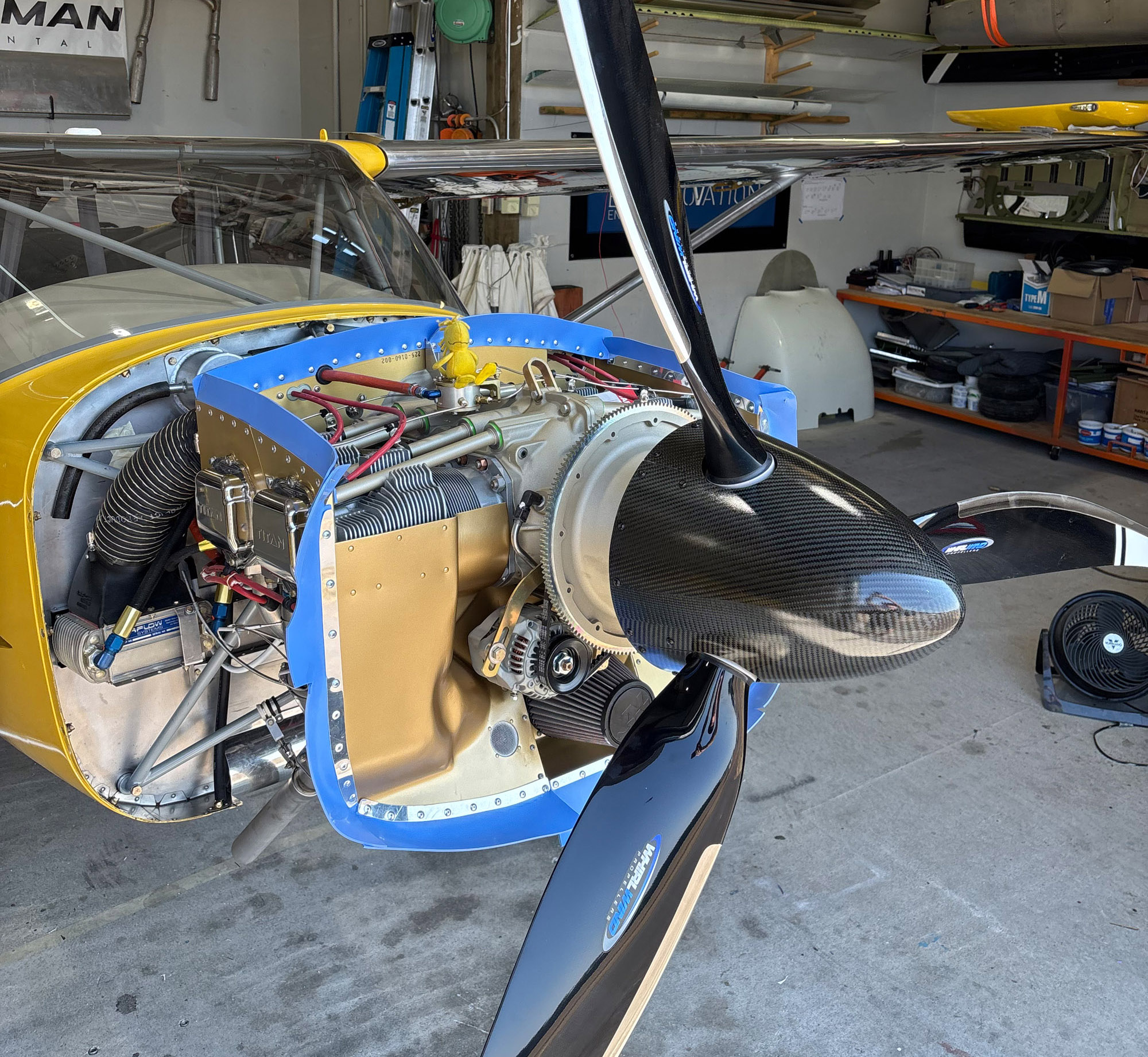
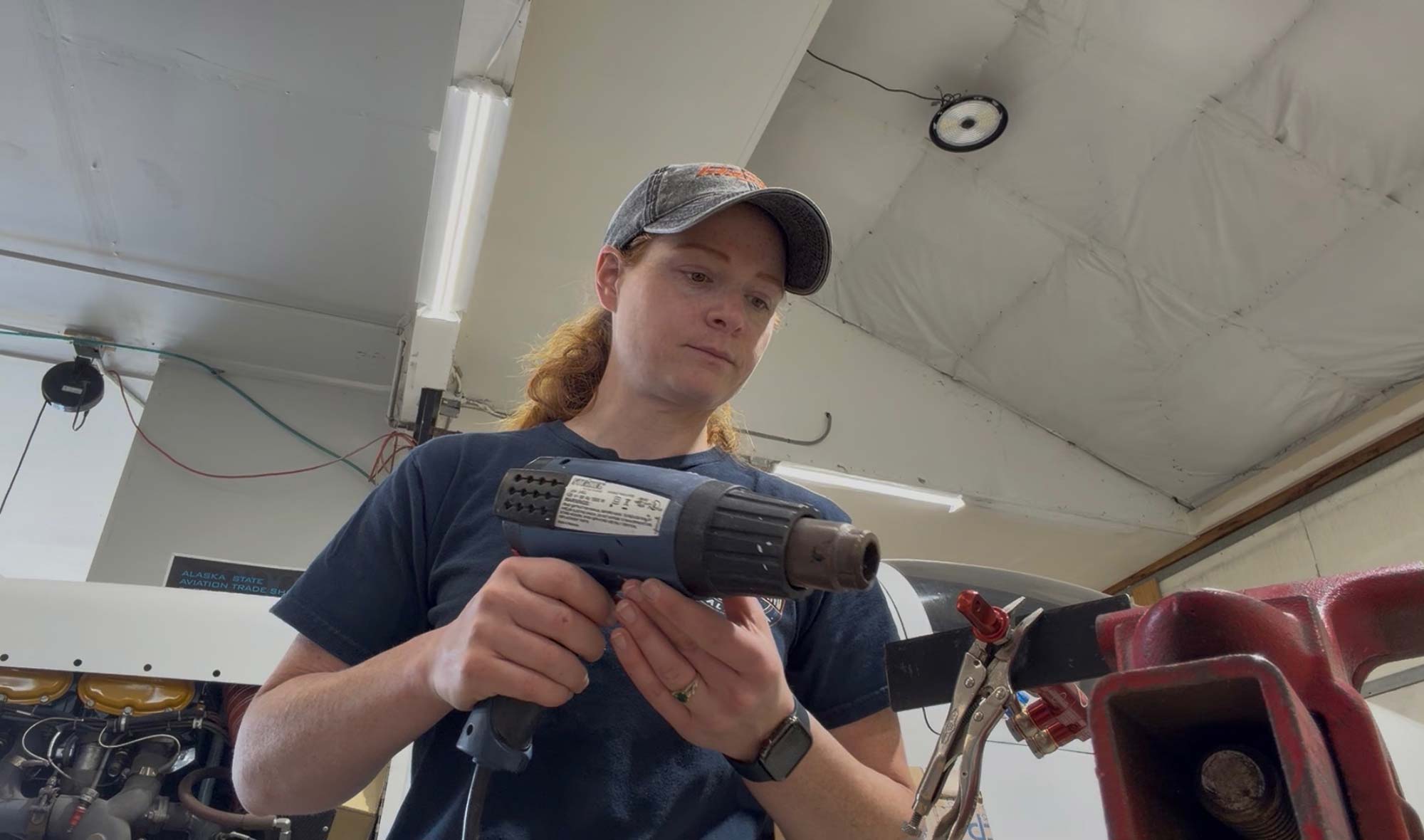
For my “90% to go” phase, the largest mental shift was overcoming the mental roadblock in the proverbial, “How does one eat an elephant?” One wire at a time—route it, strip it, crimp it, secure it, done. Next wire—route it, strip it, crimp it … “OK, now where’s that diagram?” The process has created amazing learning opportunities and ways to get hands-on with tasks I haven’t touched in over five years as a generally non-practicing but licensed A&P. I slowly moved from that old feeling of being overwhelmed to the realization that, “I can do this, and I either know how, or I can learn.” In the most recent week of tooling, I stepped back and wiped my brow to see several systems hooked up that, before I started that week, were nothing but unclaimed wires flailing about in the GlaStar’s fuselage. Up front, Ephraim had been tinkering away on the firewall-forward, fine-tuning the baffling, engine controls, and final mounting of components. In my absence, Ephraim did a first engine run, proving the integrity of the new fuel lines. Then, in an impressive amount of figurative and literal heavy lifting, Ephraim got Woodstock mounted on his new extended heavy-duty landing gear and Beringer wheels.

My most recent journey to Arlington was in early September. Now 13 weeks into repeating, “90% to go,” and 22 weeks into the project, I feel like we have turned the final corner. With that, I’m happy to add that I have been keeping a secret from you all, and that was going all in on securing new seats for Woodstock. The old ones were designed to overlap the flap handle, since the original design featured electric flaps, but since we changed them to manual flaps, as covered in a previous article, the old seats either needed to get modified or replaced.
So, I spent one morning over at Hard Industries, conveniently on the field at Arlington, where we discussed color and materials. I debated in silent agony and then was suddenly awestruck when the owner, Harol, presented two specific colors together. I know it’s perfect because of how difficult it is to contain my excitement when thinking about them or showing off the sample material to others. It strikes the perfect balance of new Woodstock and old Woodstock in a modern color palette that nods to both Woodstock’s modern new tech and the vibes of the old backcountry.
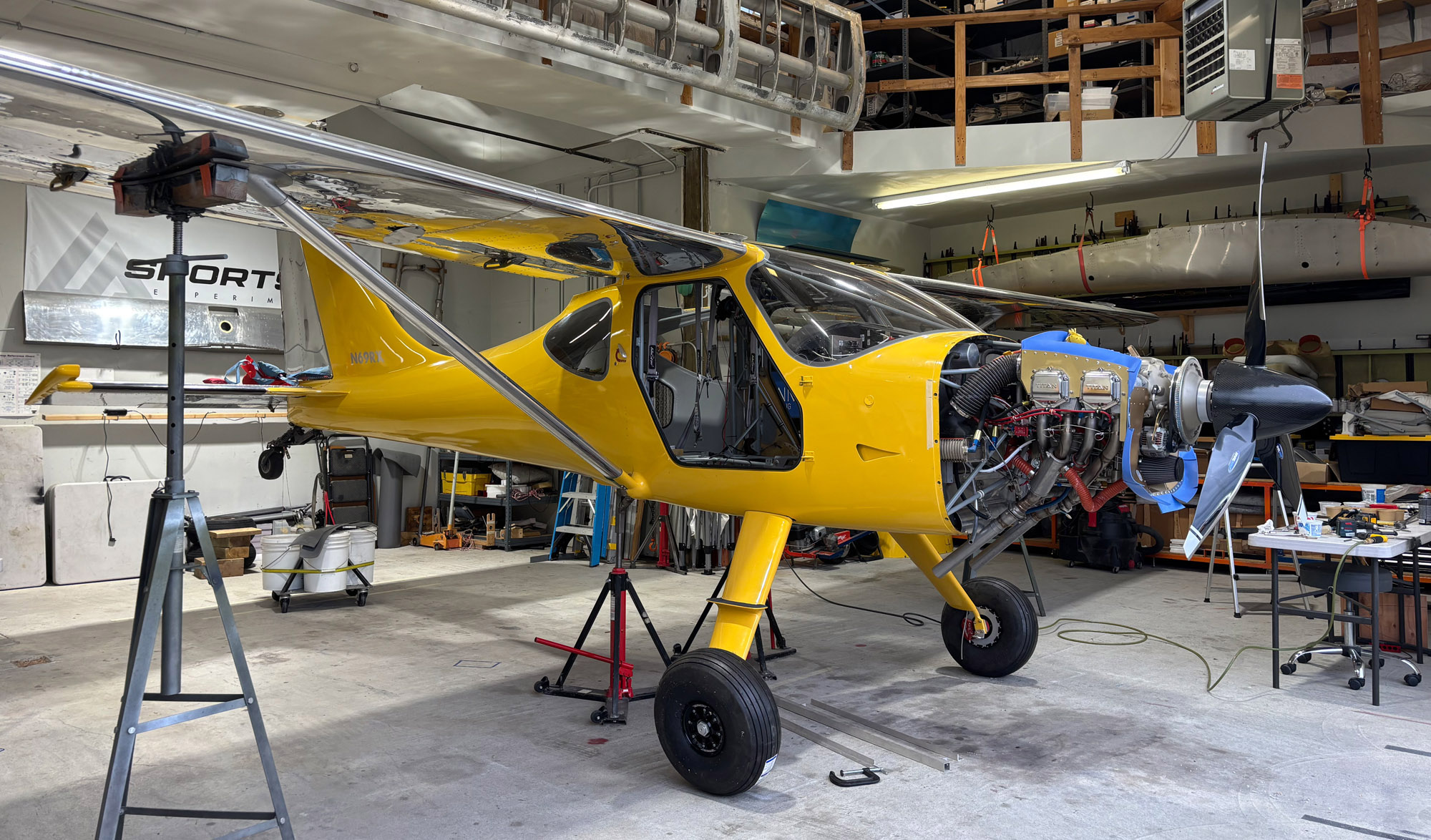
The next update I hope to share will include installing those new seats, the weldment of the GlaStar’s cage to increase its strength congruently with the new landing gear, the final fit and finish of the new larger baggage door, and the final install of the wingtip landing lights, FAA paperwork, weight and balance, sensor calibration, taxi testing, and finally the first flight, after which I am excited to dig into the exciting world of the GlaStar’s new performance.
If I have learned one thing from this project, it’s that the “90% done, 90% to go” phase is not the exaggeration it seems—it is even worse! For anyone out there dealing with the same stage of their project, I sympathize deeply and offer the solution of: 1) Take your time but never stop. 2) Surround yourself with the right village. 3) Celebrate the small victories whenever you can, even if it’s as small as turning on a taxi light for the first time. 4) Draw inspiration from other people’s projects and always remember why you started in the first place! With that, I’ll close out this long-overdue segment of GlaStar upgrades, but please remember to stay tuned for Woodstock’s beautiful, final result.


Whenever anyone asked me when I’d be done, I’d say “two years” … right up to the week of the test flight. If you think about how much you have to do, and how long it’ll take, it can be very discouraging. But if you just go out there and build it… it’s pretty fun and satisfying.
I know the feeling. It took me 27 years to finish my Glasair 3, so just go ahead and commit to that build time and keep at it.
Just know, that some day (soon), it will be done and you will be happy with the result.
22 weeks? That’s the blink of an eye for most aircraft projects.