

But to stand an’ be still to the Birken’ead drill is a damn tough bullet to chew
—Rudyard Kipling
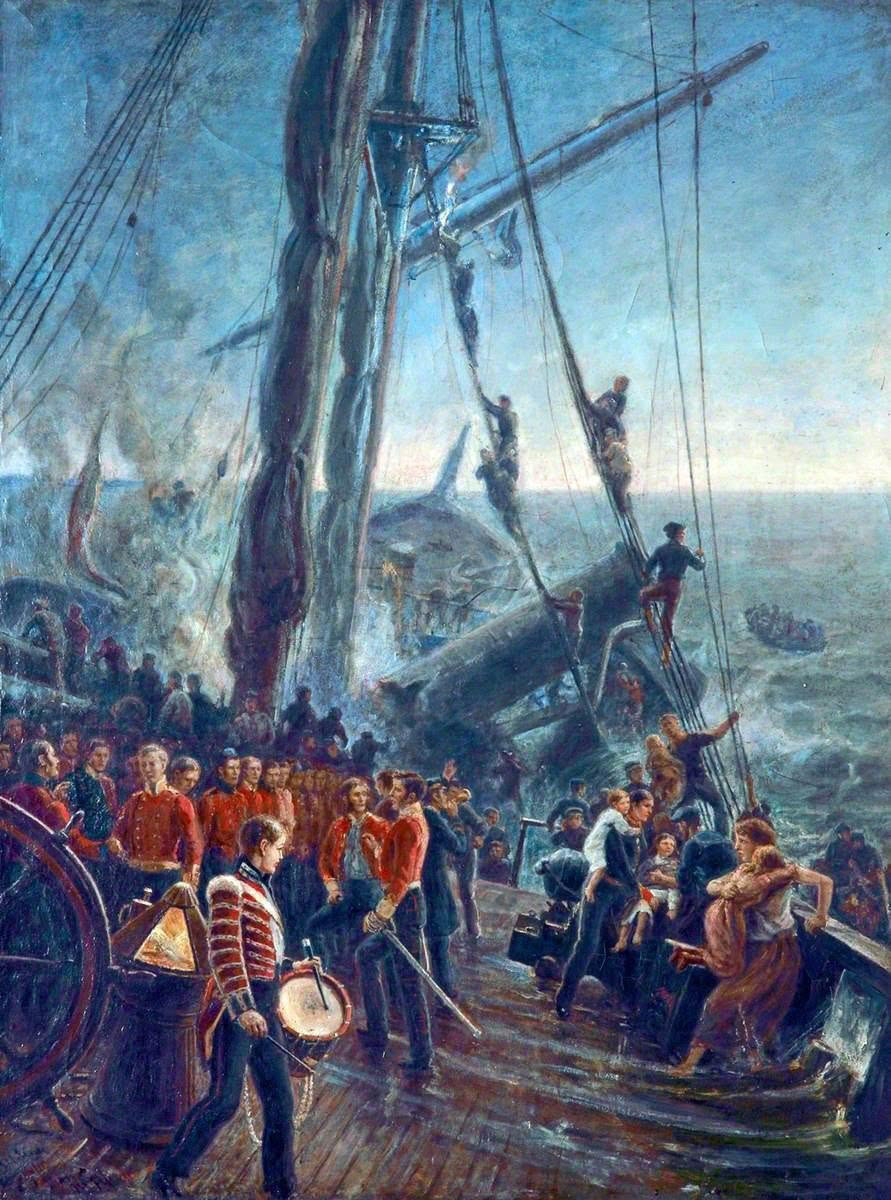
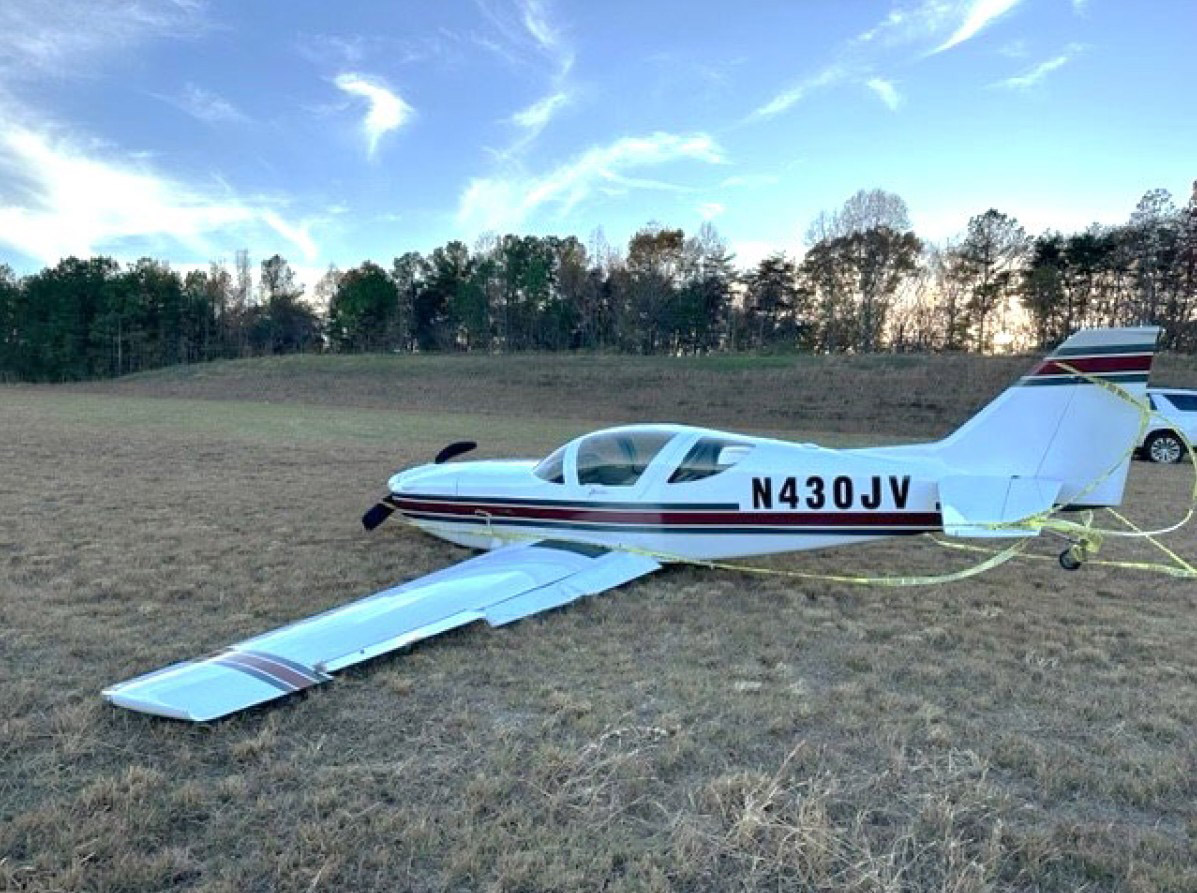
In 1852, HMS Birkenhead hit a rock off South Africa and started to sink. There weren’t enough lifeboats for the 640 men, women, and children aboard.
In those days, shipwrecks usually devolved into riots as passengers and sailors fought over seating in the boats, while others broke open the spirit locker, determined to at least be drunk when they drowned.
Not the Birkenhead. Most of the passengers were British soldiers. Lieutenant-Colonel Alexander Seton of the 74th Regiment of Foot formed the men into ranks. He informed them that they would wait until the women and children found seats in the boats. Discipline and training held them in their places, right until the ship broke up beneath them. Less than a third of those aboard survived—but this included all of the women and children.
Training and discipline prevented a disaster from turning into a catastrophe.
Pilots may eventually face their own version of the Birkenhead drill. We may lose our engine … maybe just after takeoff, or turning crosswind, or even at altitude with plenty of warning. Our training tells us to keep the airspeed up, and not take chances.
But what about when the windshield fills with trees, or buildings? Surely taking a bit of a risk to find a more-congenial spot would be worth it?
Actually, no. Statistics show you’re actually better off to accept a bad landing spot than to stall out trying to reach something better.
Between 2011 and 2020, there were 476 reported homebuilt accidents that began with the loss of engine power. This includes mechanical failure as well as pilot error.
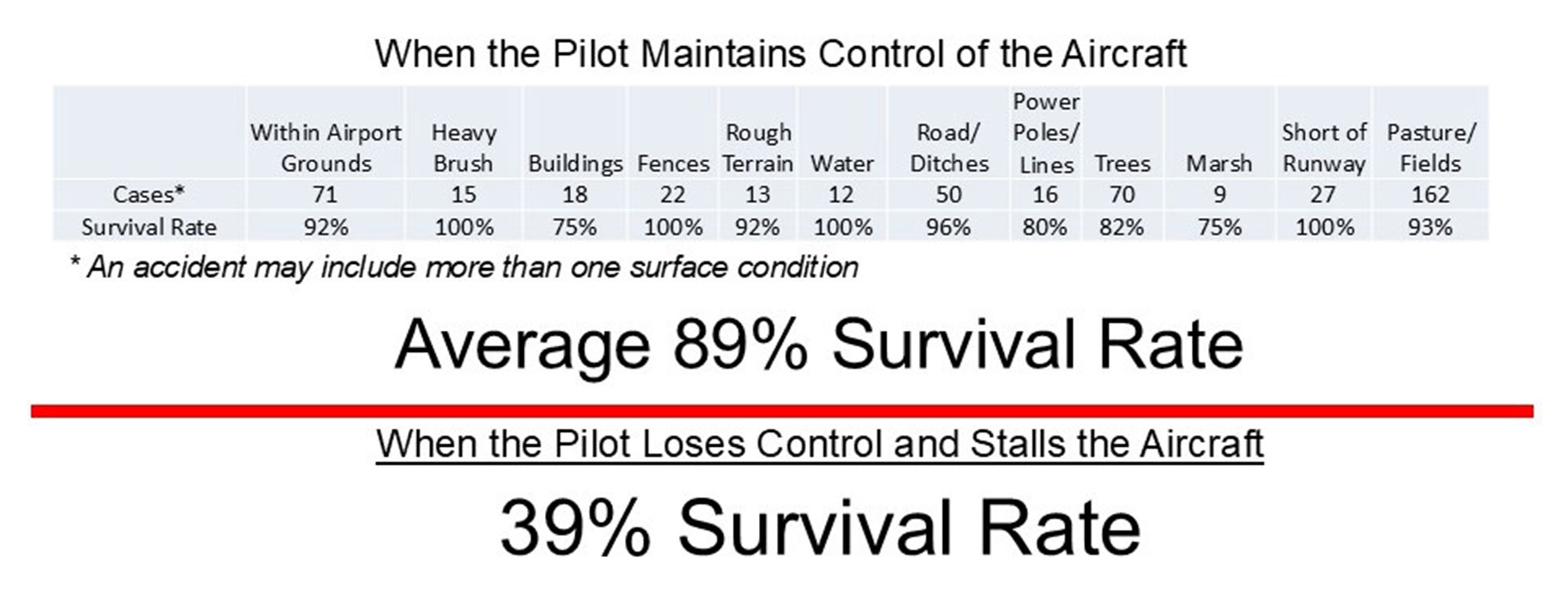
In 74 cases, the pilot stalled, losing control of the aircraft while attempting to make a power-off landing. In 45 of those cases (61%), at least one of the occupants died. That’s a survival rate of about 39% … well less than half.
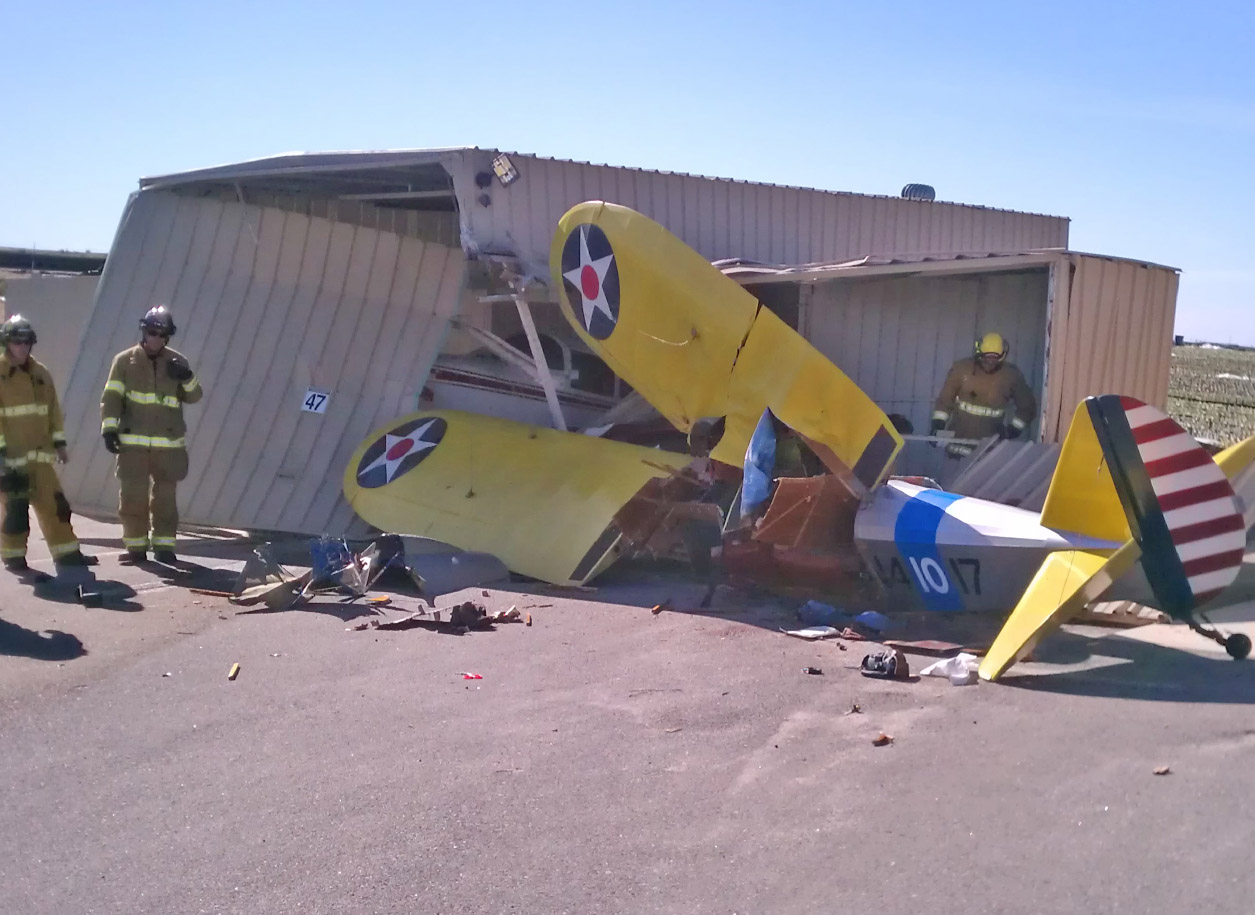
But what of the other 400 or so power-failure accidents, where the pilots followed their training and avoided a stall?
Worst-case were forced landings into buildings. All occupants survived in nine out of the 12 cases. That’s a 75% survival rate—nearly twice as good as those who let the airplane get away from them. Other typical obstacles—trees, fences, ditches, etc.—came out better.
The overall survival rate (e.g., no fatalities) was 89%—as long as the pilot maintained control.
Remember, too: If there’s no damage or injury, it won’t make it into the NTSB records. So the overall survival rate is even better.
Think of that: If you fly the airplane all the way to the ground, there’s a good chance you and your passengers will live through it. But if you tighten that turn too much, if you keep pulling back on the stick to try to milk a little more glide out of the plane … well, there’s less than a four in 10 chance you’ll survive.
Not to say you can’t try to minimize the impact as the ground looms closer. Aim for the wooden fence instead of the brick one, try to fly between trees, aim for the softest pile of rocks, etc. Slow down as much as possible before impact, but don’t stall. At this point, the goal is to minimize injuries, both onboard and those folks on the ground. Sacrifice the airplane, if necessary.
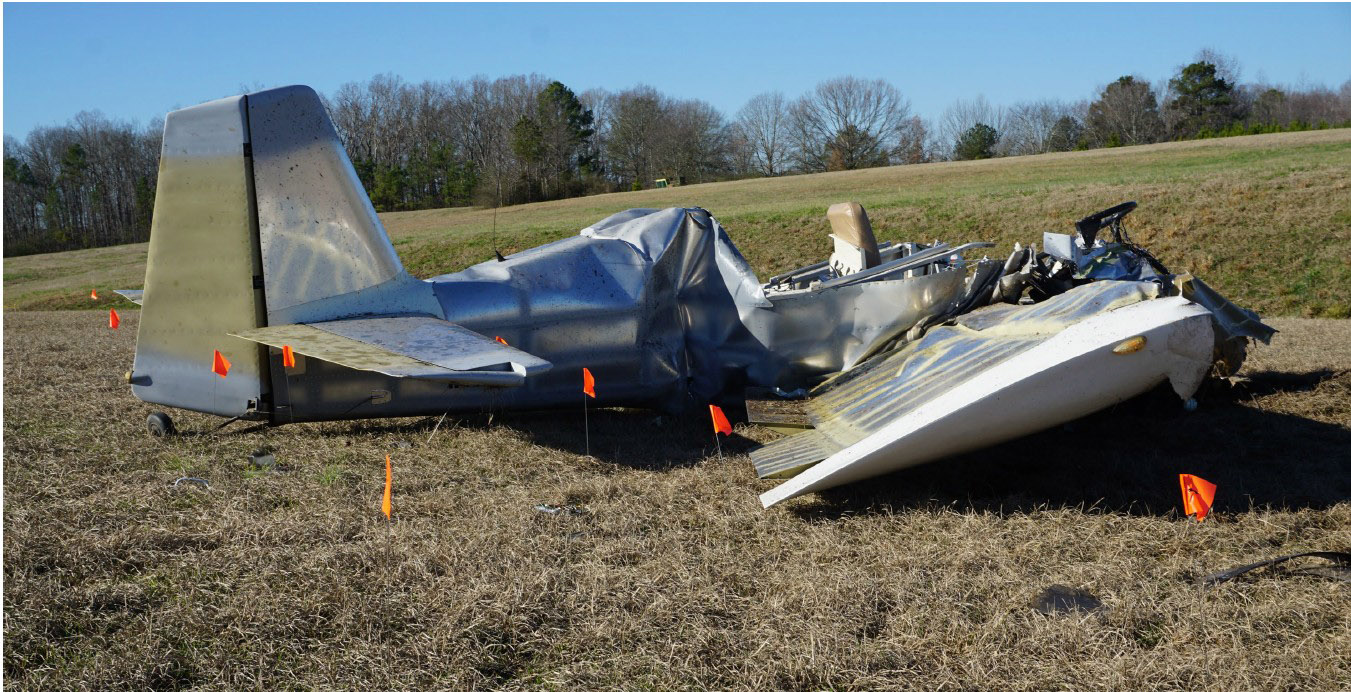
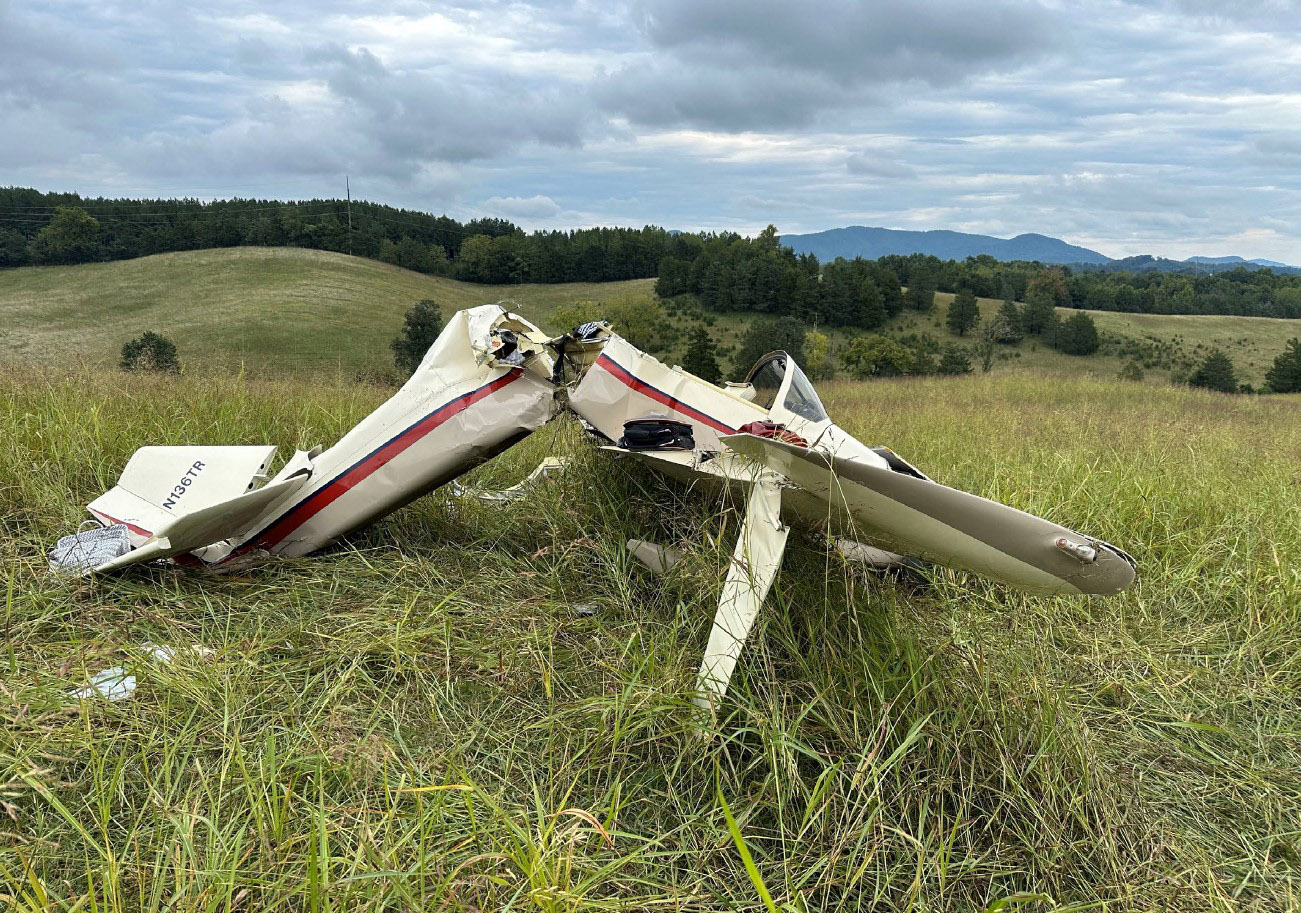
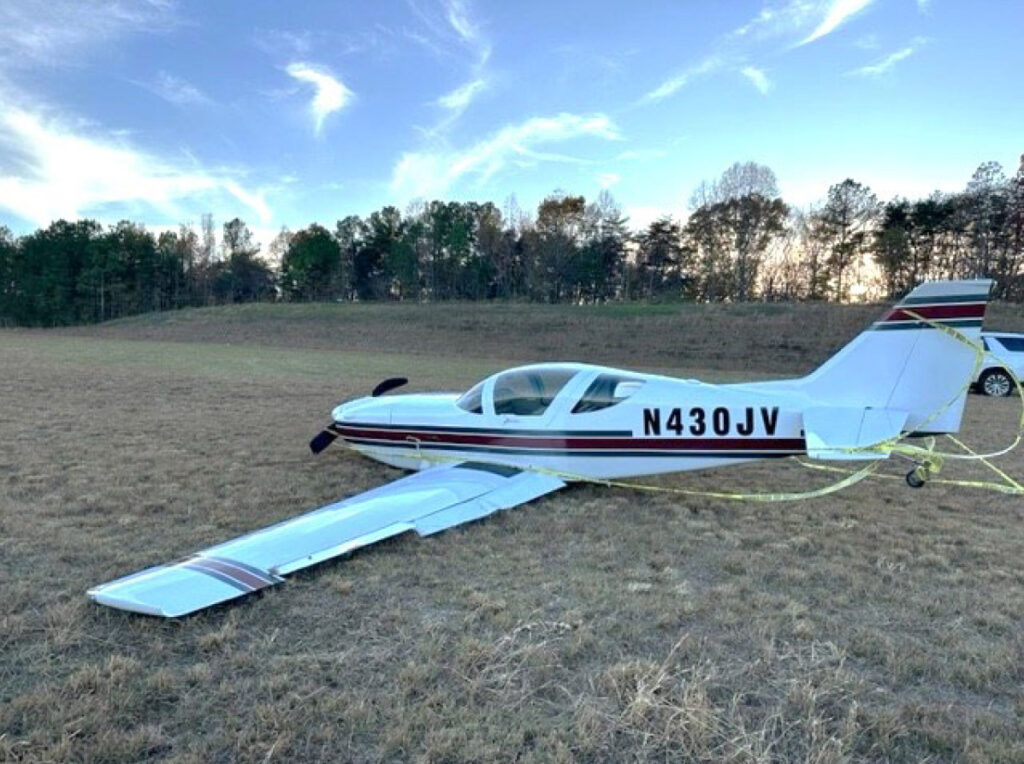
I’ve read about 10,000 accident reports since I started doing accident analyses. I’ve seen a lot of “stupid pilot tricks.” But I have a lot of empathy for those who don’t pull off these sorts of emergency landings. There’s the natural denial that the event is happening, there’s the fear of FAA involvement, there’s worry about the airplane, and there are quite possibly upset passengers providing a distraction. It’s natural that a pilot, in desperation, may try to squeeze out a tighter turn, or suck back the stick a bit to make it over a grove of trees.
Much of our training involves how to handle a power failure. Too many of us don’t rise to the occasion when it actually happens.
But remember the “Birkenhead Drill.” It may be a “Damn tough bullet to chew,” but your training and discipline may keep a disaster from turning into a catastrophe.

Maybe pilots need a Brokenhead on board instead of a parachute. Something to think about…🤔
“If you’re faced with a forced landing, fly the thing as far into the crash as possible.”
Bob Hoover
Excellent article Ron! It will save lives.
I agree, but for the most part, people will not listen. Wana get a flame wars started – the 180 degree turn back.
It’s safer to accuse someone of having TDS or an ugly girlfriend. 🙂
I don’t mention it in this article, but as part of the analysis, I *did* identify cases where the “Impossible Turn” was attempted. Out of the 476 accidents, 13 involved planes that tried to turn back. Six of those were fatal, which, considering the small sample size, is roughly the same as the result for the cases where pilots stalled out.
The problem is, there are no statistics on SUCCESSFUL “Impossible Turns,” as, by definition, there’s no crash and hence no accident report to add to the statistics. For all we know, folks are turning back all over with nary a problem.
I don’t have the flying qualifications to make recommendations. Obviously, if you intend to fly such a maneuver, you really need to practice it in advance and understand the envelope for when it’s possible.
I tried a practice attempt once, at altitude, in my little open-cockpit single-seater. Was shocked at how much altitude it used…but then, my plane has the glide angle of a manhole cover. IIRC, I lost 800 feet by the time I’d turned all the way around, and that didn’t include additional maneuvering needed to line back up on the runway.
The big advantage is that I *know* successful completion is unlikely in my airplane, so (hopefully!) if I’m faced with another engine failure I won’t even consider it.
Really? I’m thinking that if someone did a successful impossible turn we’d never hear the ******* end of it.
I tend to agree with you.
I actually saw it done, once. My hangar at the time was at the departure end of the airport. I was working on my plane, when I heard the engine of a departing Cessna 152 start missing. Got out of my hangar and watched as the plane turned around and started heading back. At one point, it was aimed at ME, and I started looking for cover.
But it passed overhead, aiming for the runway, and went out of sight behind my hangar. I hopped in my car and tore down to the far end, where I found the Cessna mired in the soft turf off the departure end.
The big difference here is that the engine hadn’t actually stopped; it just started missing and got rougher and rougher until the pilot pulled the power off for the downwind landing. Don’t know if it would have been successful if the engine had died totally…or if the instructor aboard the Cessna would have tried the turn otherwise.
I’ve tried it too, many times. And a 172 you don’t need much altitude, but you have to rack in the bank and accept a landing maybe halfway down the runway— you don’t have to land at the threshold, is what I mean. It’s scary to go into 45 degrees of bank near the ground, but it works. Thirty degrees of bank is there enough to get it all the way around. I did a lot of these near the ground, with another guy on board. At altitude there’s no fear.
To paraphrase Bob Hoover, fly it as far into the crash as possible
When I had my engine failure (loss of oil pressure then rod failure) in a Bonanza 25 years ago with wife and young kids on board, the lesson above from Bonanza Pilot Proficiency training about not stalling and trying to impact the least hard thing possible to minimize Gs shaped my response. The teachings that the airplane is the insurance company’s problem was also in my mind. I had also recently read an article in the Bonanza Society’s magazine that landing gear up in a muddy field is safer than landing gear down and having the nose gear dig in and flip the airplane on its back. I was 7 miles from the nearest airport, but at only 3500 AGL. I had 3 miles of corn fields and then 4 miles of trees to the airport. I was well aware of the temptation to stretch the glide and stall/spin. ATC recommended landing on a two lane highway. I chose the safest option, landing in a muddy cornfield that was nearby. The field I picked was dark as compared to the others, meaning the corn was short. We skidded to a stop over 80 yards. We even had to wake my 2-year-old daughter up in her car seat. I realize I was very lucky with regard to where this happened. After that, I strongly considered getting a twin, but am still flying the same Bonanza. I fly at night and IFR, but try to minimize it due to having only one engine.
A grain field works real well. Straw is extremely slick.
Well done, sir! Corn field much better than a highway.
One would think that, if all these stall/spin accidents are a concern, canards would be more popular!
BTW: Flying wings using a bell shaped lift distribution also do not stall. Even a conventional aircraft can be designed to not stall by careful sizing of the tail.
Paraphrasing Einstein: If you keep doing the same thing expecting different results…..
For the ten-year period of my analysis, there were six accidents due to engine failures involving Long-EZs or Variezes. Only one (WPR16FA118) was fatal; they hit a power line and dropped 60 feet.
It was midnight in the mountains as a thunderstorm and my C150 were approaching the opposite ends of a regional airport. Tower cleared me to land straight in from six miles out and said it was turning over ops to the on-field FSS (remember them?). The outflow of the TSTM was right down the runway, but increasingly gusty, so I stayed high until I had the field made. Then the engine quit, and it became apparent that we were soon to become one with the ILS array. So I told my passenger, “Hang on, this could get a little bumpy.” Her response: “Okay”.
A large shopping mall had been build just off that end of the runway, to the dismay of many citizens afraid that a plane could crash into it and kill who-knows-how-many innocent people. It was pitch-dark, windy, and raining, but I figured my odds were better with an empty parking lot, so I made a very gentle left 225 and headed for the big black hole where it should be. My landing light didn’t show much, but it did illuminate the fast-food drive-thru canopy in time for me to hop over it, and then a segment of the parking lot’s circumferential road. I was doing pretty well in a tailwind-assisted roll-out until the right wing clipped a stop-sign. But I got it straightened out and almost stopped before we nosed into a massive bush that cushioned our arrival.
Subsequent FAA testing showed nothing wrong with the engine, fuel, ignition, or carb heat systems, so we were left to conclude that the meteorological conditions and closed throttle, overcame the minimal carb heat being provided. (I always described the heater in the C150 as akin to having your asthmatic grandmother breathe on your ankles.)
No one was injured, the plane was rebuilt, and I took the insurance money and bought a C172. Also, I figured I would never find anyone else so supremely self-possessed, so I married her. Undoubtedly the smartest thing I’ve ever done. No one ever says the same to her for some reason …
Great story; we need a “Thumbs Up” button.
Reminds me of the time I was coming in to land. I thought I was going to die, but the microburst cancelled out the effect of the C130’s wake turbulence. I didn’t marry anyone, but them Airforce crew women…
The (my) issue isn’t “Is the impossible turn possible?” The (my) issue is “Will I stall and spin in even if I don’t attempt the impossible turn?”
Looking the stats, I think I was one in the rough terrain. I was climbing up to a high plateau when the engine dropped to idle and wouldn’t come out. I did a 180 at 5000 feet configured for best glide (the Arion Lightning is about 16 to 1)and headed back for the proverbial best landing spot behind me. My learned drill with an experimental is mentally to be picking out a landing spot in my glide area as I fly. Couldn’t raise ATC between the “hills” and focused on restart while in the glide to a plateau I had previously picked out. The tailwind caused me to lose about half of the plateau and going over the edge lost the gear and prop which caused me to clip a mesquite tree on the way down the hill. Flying the crash all the way to the ground is the answer. The aircraft came to a stop on the edge of a dirt road. The fiberglass fuselage of the Lightning lived up to its advertised g-load. I hopped out and collected a few parts….NTSB didn’t like that. Oh well. I believe the combination of Hoover’s advice and always cognizant of the glide area and possible landing spots is the formula that confirms the statistics above.
“Discipline and training held them in their places, right until the ship broke up beneath them. Less than a third of those aboard survived—but this included all of the women and children.”
Come on, these guys died. There’s no lesson here— you just wanted to use that word Birkenhead and sound cool. Birkenhead Birkenhead Birkenhead. It would’ve been different if they remained calm and they survived, but their remaining calm didn’t help them survive at all. Like calmly going “over the top” of the trenches in World War I, right into the machine gun fire of the Germans. They got absolutely slaughtered, the Brits did.
I wuz gonna hang the article on the Kobyashi Maru, but Paramount has a pretty strong trademark department. 🙂