

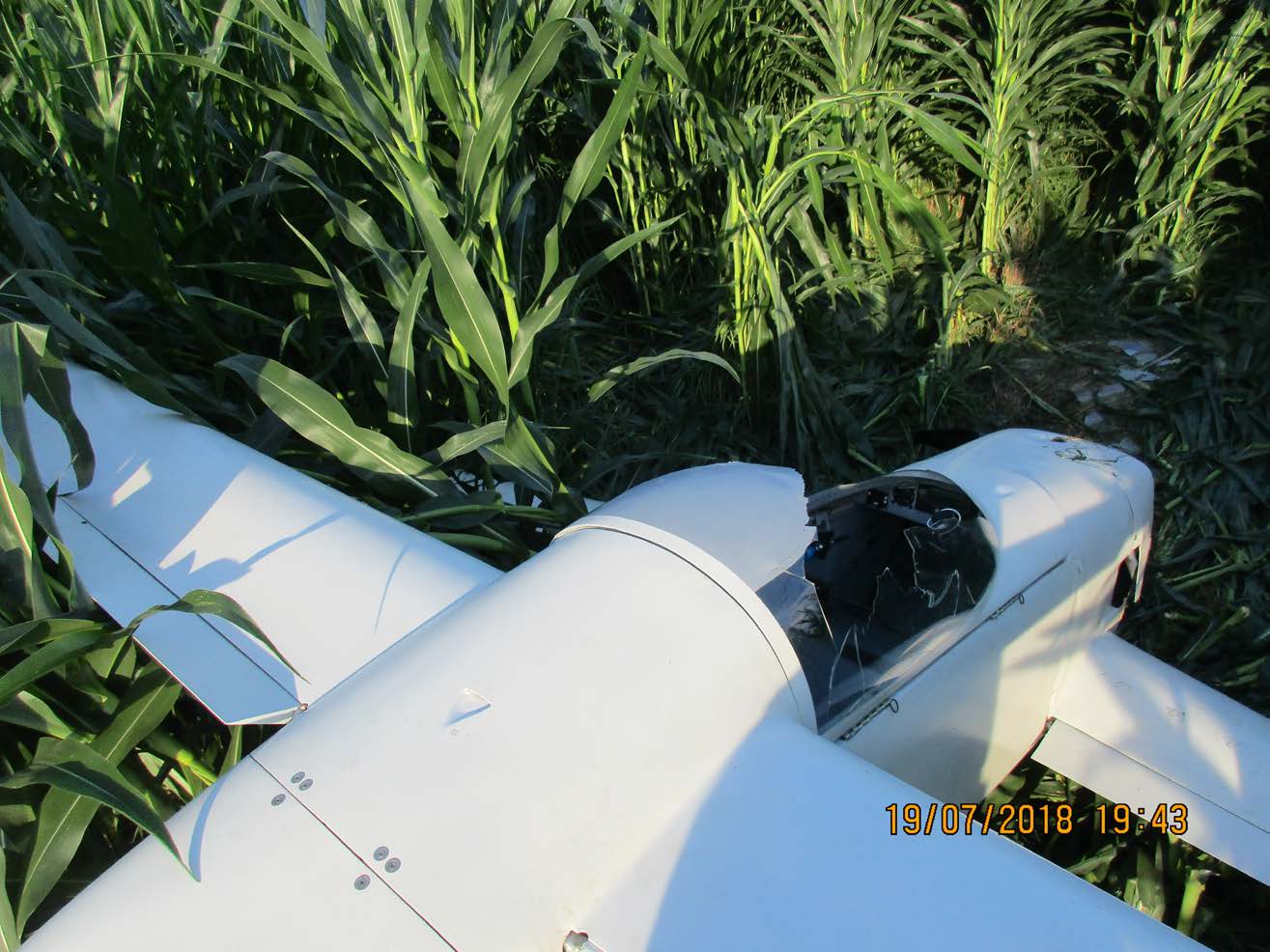
July, 2018
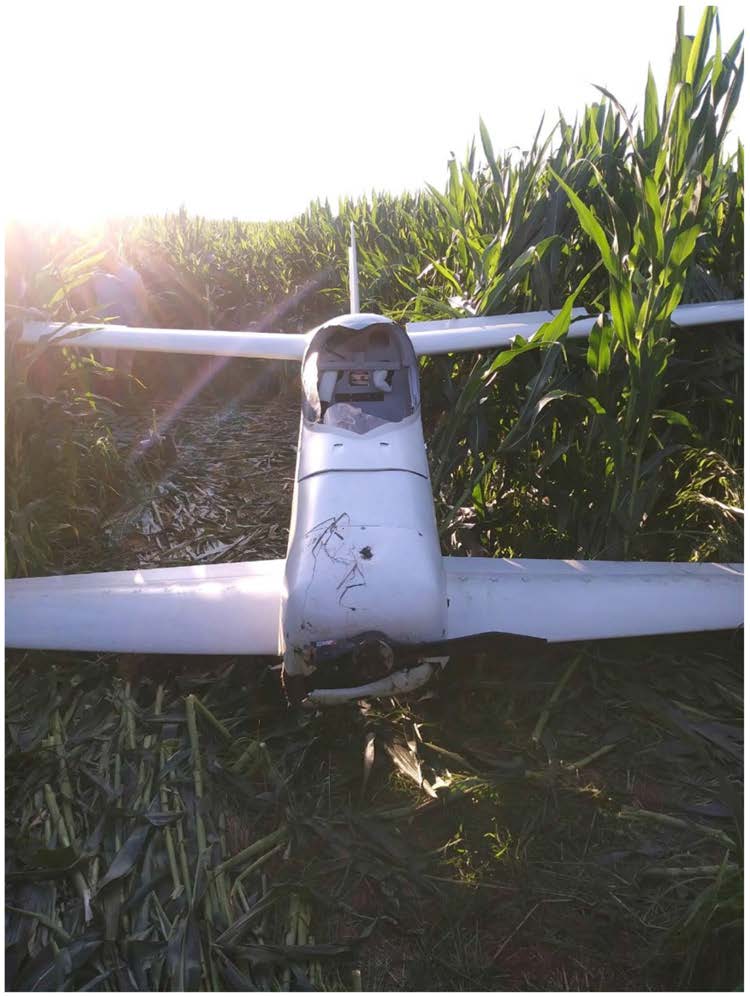
During the flight, the engine power dropped more than 1,000 rpm, and the engine monitor indicated about twice the normal fuel flow. The pilot was initially able to maintain airspeed and altitude; however, the rpm subsequently began to decrease further, and the pilot determined that the airplane would not be able to reach the airport. During the subsequent forced landing in a cornfield, the airplane’s nose struck the ground, and the airplane then nosed over.
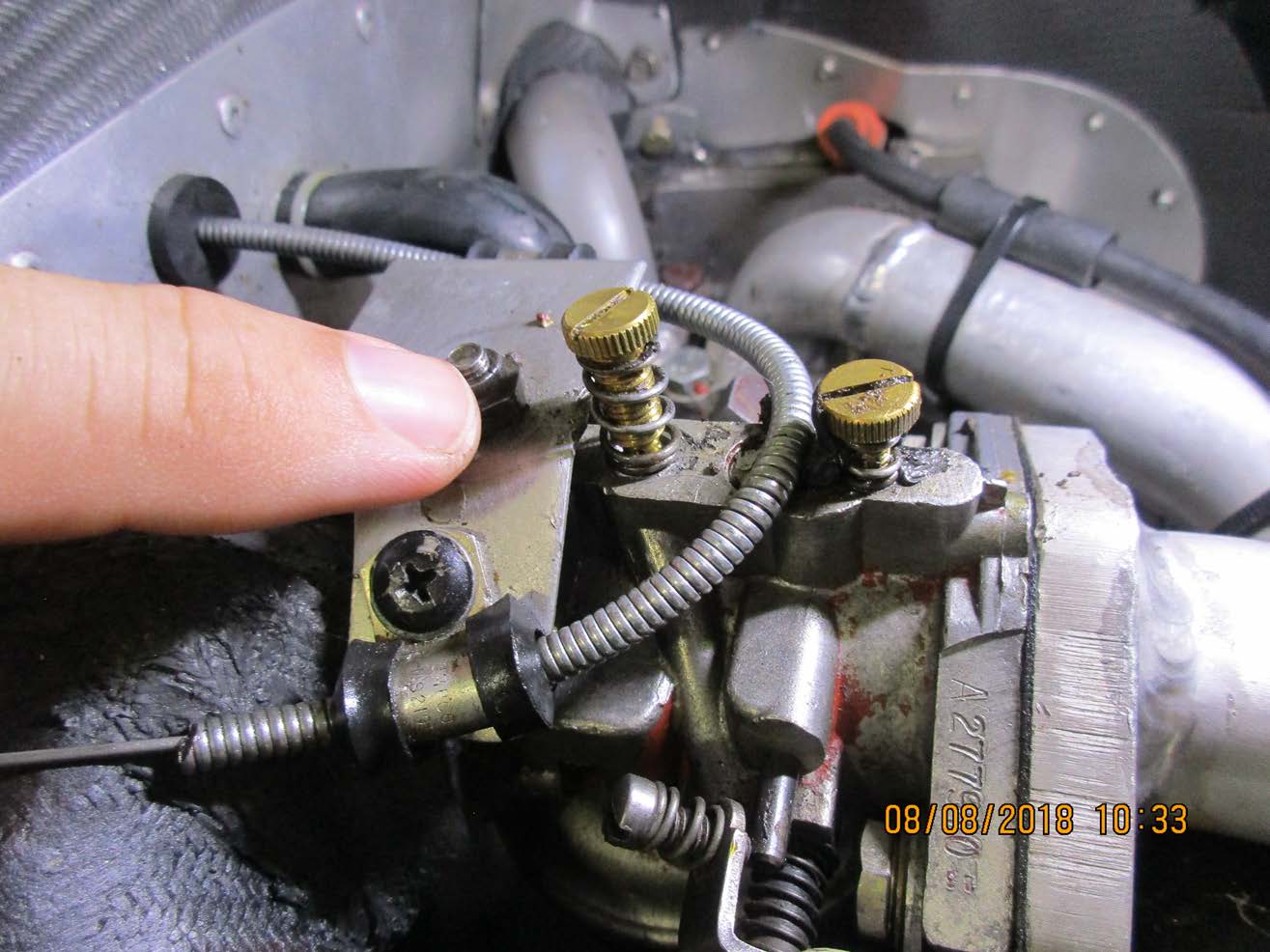
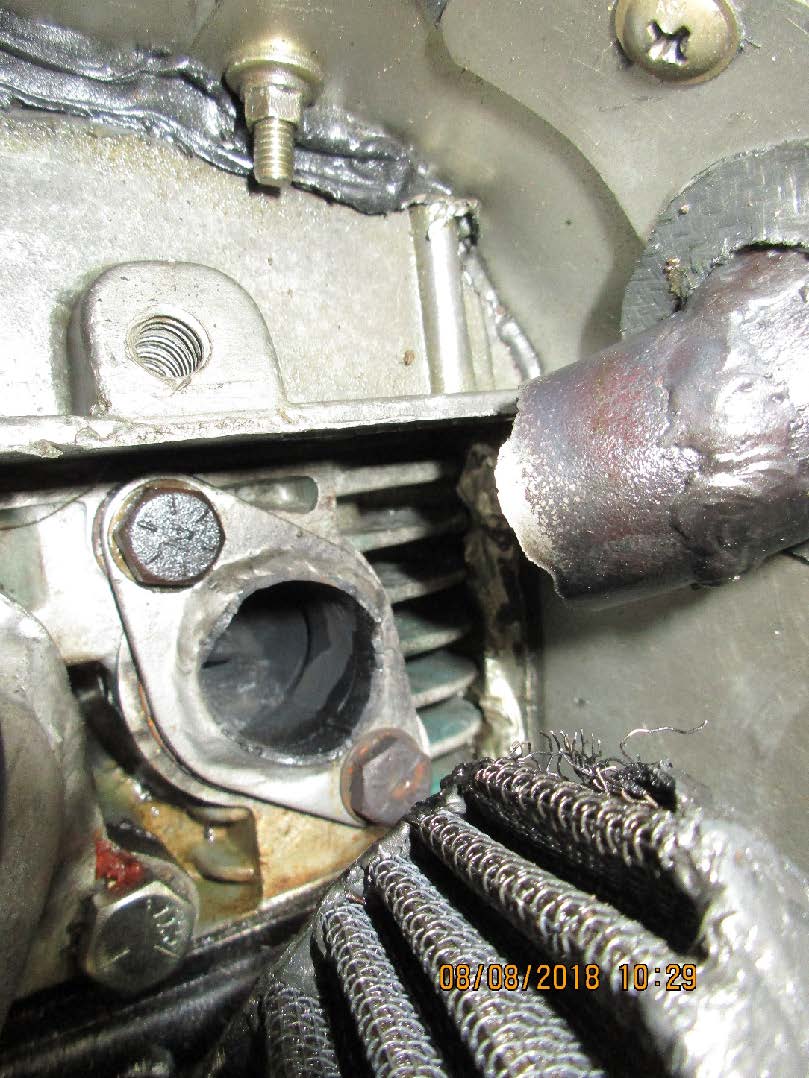
Examination of the wreckage revealed a separation of the right exhaust manifold, which was directly beneath the intake breather for the engine. Additionally, a mixture set screw on the carburetor was found loose and extended out, both of which would have resulted in a loss of rpm. The failed exhaust manifold and loose mixture screw likely led to the loss of engine power.


I’m going to officially recommend that this pilot should find a new mechanic and stop landing off airport. It appears to be really hard on the airplane.