


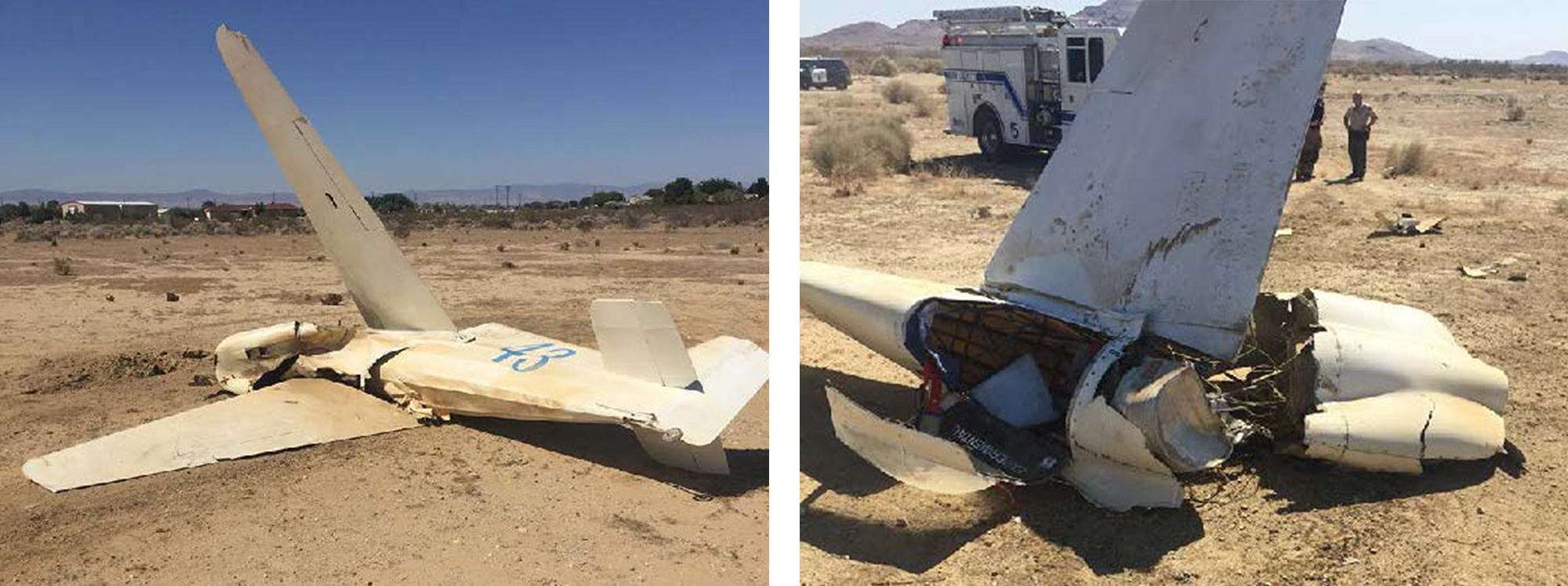
The pilot was departing in his airplane configured for air racing. When the airplane entered its initial climb and was about 50 feet above ground level, the engine performance reduced by about 300 rpm. The pilot attempted to continue the takeoff to complete a circuit in the airport traffic pattern. A witness saw the airplane turn left, and the nose immediately dropped and impacted the ground, followed by the right side of the airplane.
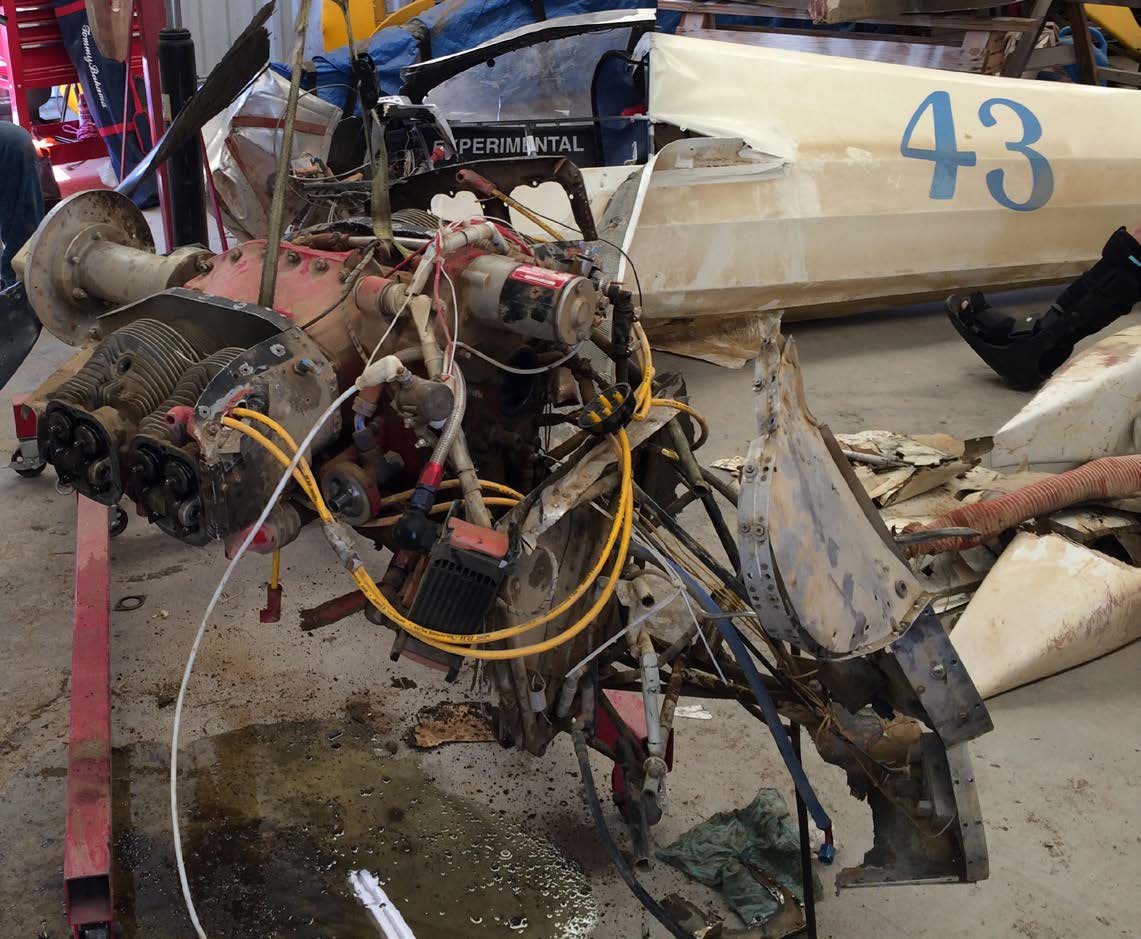
A teardown of the carburetor showed multiple discrepancies, the most notable of which was a loose primary venturi. This condition is likely to have caused the partial loss of engine power during takeoff due to the delivery of inconsistent vacuum pressure and a disruption in fuel flow. An airworthiness directive (AD) issued 20 years before the accident required that the venturi be inspected at each annual, 100-hour, or condition inspection. It is unknown if this AD was complied with, as the pilot/owner did not possess any records that showed the carburetor’s maintenance history.

For the love of God, look at those wide open spaces near the crash site. If only the pilot had read and internalized your article about forced landings. Maybe the next one will.
There but for the grace of… actually, nah, I would have landed straight ahead.
Why is the article titled “Cassutt IIIM — Texas”? The accident occurred in California. Secondly, the paraphrasing of the first paragraph of the article completely eliminates the fact that “the pilot reported” and no mention within the article that the accident only resulted in a minor injury. This information would make this article feel a little less like it’s trying to be sensational!
Yes, my bad on the locale…I use a template to build these articles, and obviously re-used the location information by mistake.
Have a look at type code CASS on the aviation safety network database and look at how many entries there are for this relatively uncommon type, it’s certainly not one you want to tempt fate in.
Well…the Cassutt is a specialized aircraft, designed as a racer, not as an everyday sport flyer. That means it was designed to fly as fast as possible, and may not be the best choice for the average owner.
My 1998-2024 database of homebuilt accidents includes eleven involving Cassutt aircraft. The Probable Causes is a typical mix, nothing really standing out.
Looking at the FAA Registry as of January of this year, there were about a hundred Cassutts in the active list. There are more Cassutts than Volksplanes or Harmon Rockets. Most on the registry are pretty old; the average age is 46 years. However, they’re still being produced… six have been added to the registry since 2010, the latest listing a 2023 completion.