

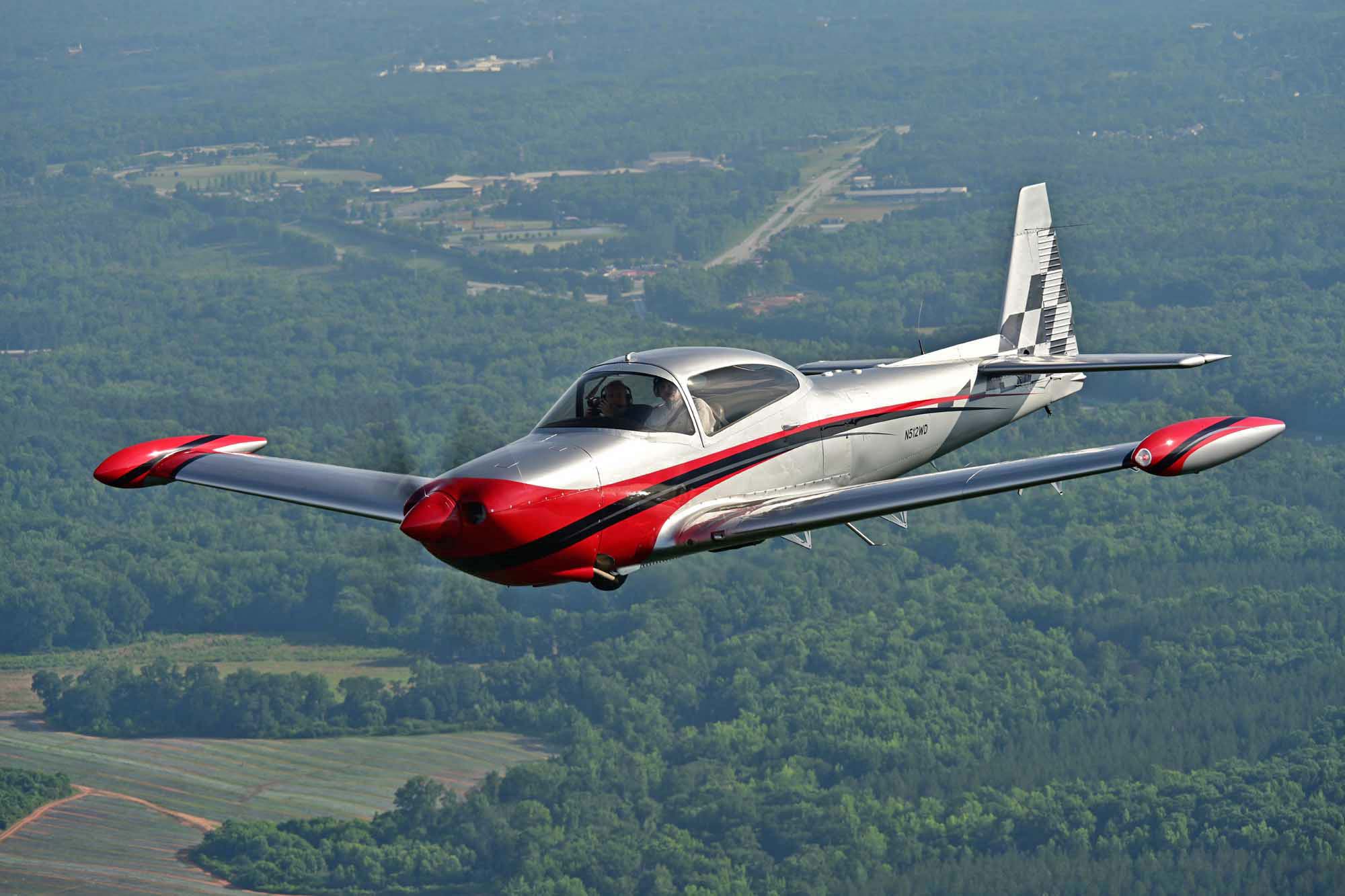
Article possibilities come to me through many different avenues. I found Monte Houk’s Cessna 180 thanks to a missed connection while looking for the pilot of the plane parked next to his at Sun ’n Fun. I found Walt Fanti and his eye-catching Navion through his Facebook post looking for someone with whom to fly formation. The accompanying photo featured a stunning North American Navion, which is based at Chandelle Airport (SC72) near Greer, South Carolina. I took this as an opportunity to contact Fanti and learn about his superb-looking plane, as well as its owner.
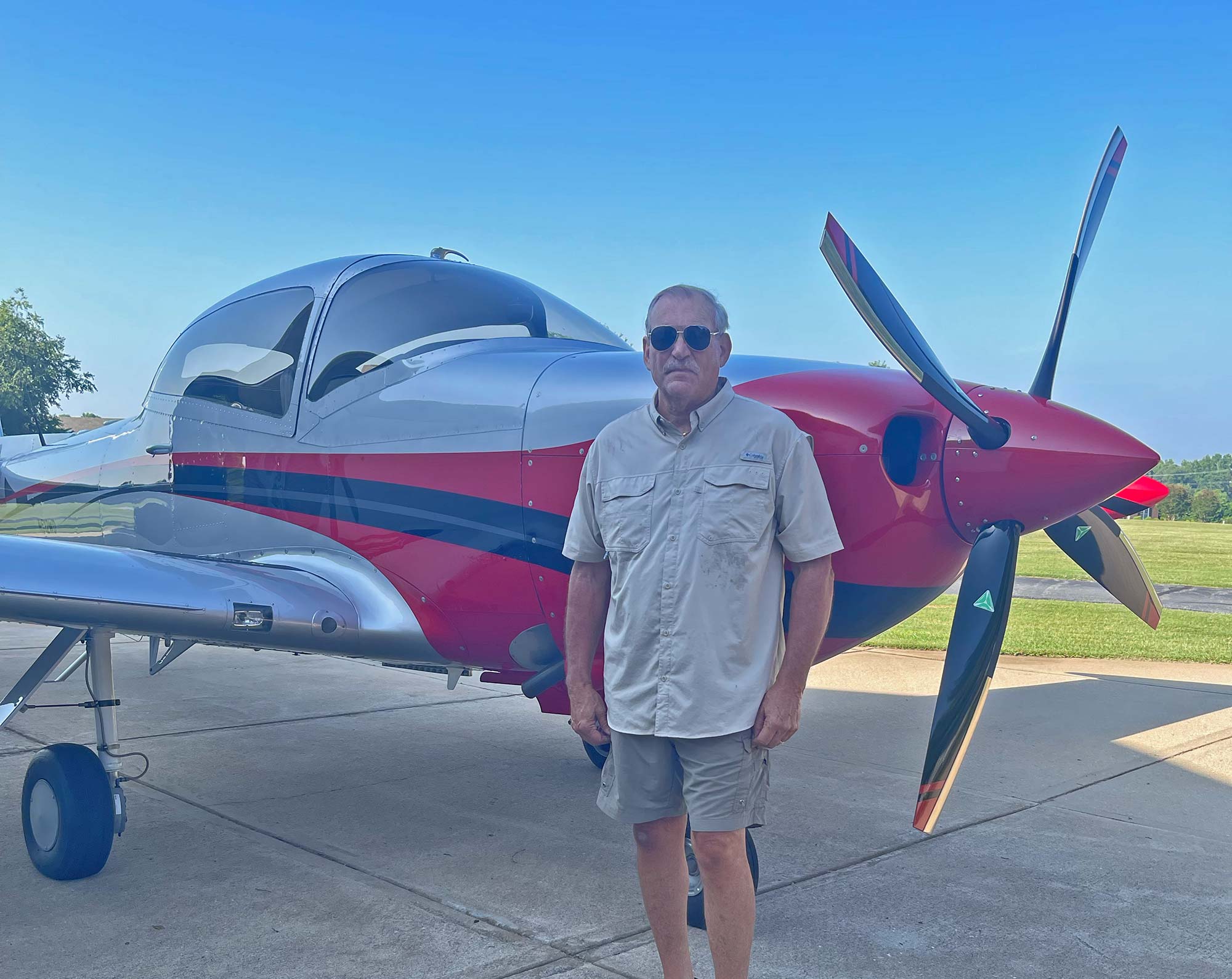
Fanti has quite an interesting aviation history. He tells his story: “I discovered at age 9 that my dad had been one of the original biplane-flying air mail pilots and he ended up operating a flight school in the 1930s, at what was formerly called the Forty Fort Airport, now known as the Wilkes-Barre Wyoming Valley Airport. He never really spoke about that, but I always wanted to be a pilot even before I knew that about my dad. I grew up on Long Island and back then, Mitchel Field was still active. I remember all the military aircraft passing over where I grew up in Oceanside, not to mention the airliners in and out of Idlewild Airport. (Yes, I am old enough to remember when it was still called ‘Idlewild!’) I was very, very much interested in aviation from an early age. My very first ride in an airplane was at a little seaplane base in Island Park, and my dad paid a pilot a couple of bucks to take my brother and me up in a Piper J-3 on floats. I was about 7 or 8, and my younger brother sat on my lap. That was all I needed to light that aviation fire within me. I ended up taking flying lessons out on Long Island at the Deer Park Airport. I soloed when I was 17 in 1968, but my dad didn’t think much of the flight instructor that I was with.”
In fact, young Walt did not receive much encouragement in his pursuit of his passion, which ultimately served to intensify that passion. He reminisces: “I went to college and focused on an aeronautical technology program. I also got all my ratings when I was in college. I got my commercial, instrument, multi-engine, and instructor ratings. I was one of their better students, and I was offered a job at the school.”
His first few years of professional flying as a flight instructor were inconsistent. “The pay was lousy, and students were not guaranteed. I picked up odd jobs flying, but I was living on a shoestring. It so happened one of my students was the wife of a professional line engineer at National Airlines, who happened to have a direct pipeline to Bud Maytag, the president of National. I must have done a fairly good job of training her, and she must have said good things to her husband because, before long, I was told, ‘You’re going to be in the very next class of new hires at National Airlines.’ Well, the timing with that was not very good because we were coming up on the 1975 fuel crisis. National Airlines never did have that next new hire class.”
Eager for a steady flying career, Fanti had already applied as a naval aviator. He continues: “I did not qualify as a Navy pilot during my first year in college in the fall of 1969 because, during that particular era in Naval Aviation, the Navy was winding down their pilot training pipeline and they were enforcing a policy of strict interpretation of their physical requirements. I was told that I had ‘marginal’ 20/20 vision (whatever that means) as you either have 20/20 vision or you don’t. I was qualified as a NFO (Naval Flight Officer) but not as a pilot. After working numerous ‘aviation migrant worker’ jobs such as flying the night mail in a Beech 18 and Red Ant mitigation flights in a Lockheed PV-2 and eager for a steady flying career, I applied to become an USAF pilot in 1975. I ultimately qualified for USAF pilot training with 20/20 vision and graduated from USAF pilot training in January 1977. With the help of my previous flying experience, I would graduate at the top of my 77-03 class and much to my disappointment, I ended up as a first assignment T-37 Instructor Pilot (FAIP) and not with the F-15 that I was told to expect on assignment day. After flying as a T-37 Instructor/Flight Examiner for more than two years, it was determined that my leg length exceeded the maximum to have qualified as a pilot and I was restricted from all ejection seat-equipped aircraft. That’s how I ended up flying the C-141A/B on both Active Duty and with the Reserves for the next 15 years at McGuire AFB, N.J.”
Fanti left active duty in pursuit of a career as an airline pilot. He recalls: “I started applying, and received offers from American, Northwest, and PeoplExpress. In 1984, American Airlines had just adopted a ‘B scale’ for new hires and I did not want to get involved in that. For Northwest Airlines, I would have had to move to Minneapolis, which was just not terribly appealing to me. But Newark, NJ-based PeoplExpress was rapidly expanding its route system with a growing fleet. This, of course, created a need for pilots. I was living in Southern Jersey, about 70 miles away. My wife, at that time, had a good job, and we didn’t want to have to give that up. So, I went to work flying for PeoplExpress in April 1984.”
Being entirely non-union, PeoplExpress had a unique operation in a lot of ways, explains Fanti. “One such example was that each employee had additional duties. In my case, I was a copilot on the 737, as well as a dispatcher. I would work in the dispatch office maybe four or five days a month and then fly a normal typical airline schedule. Normal for PeoplExpress, anyway. They would build our schedules up to 98 hours a month, sometimes over 100 hours a month. It would have been illegal to actually fly that amount, but invariably there would be maintenance or weather cancellations to keep us legal. I also went back to flying C-141s at McGuire, this time with the Air Force Reserves.”
PeoplExpress was not the career paradise that Fanti was seeking, and when the airline was absorbed by Continental Airlines in 1987, he decided to make a change. FedEx was hiring experienced pilots. He continues: “I was lucky enough to get an interview and get hired and went to work for them in April of ’87. It was the best move I could have ever made in the airline industry. Over the next 29 years, I progressed through all three seats in the 727, then I moved over to the left seat of the DC-10. I retired in 2016 as a Triple Seven captain.”
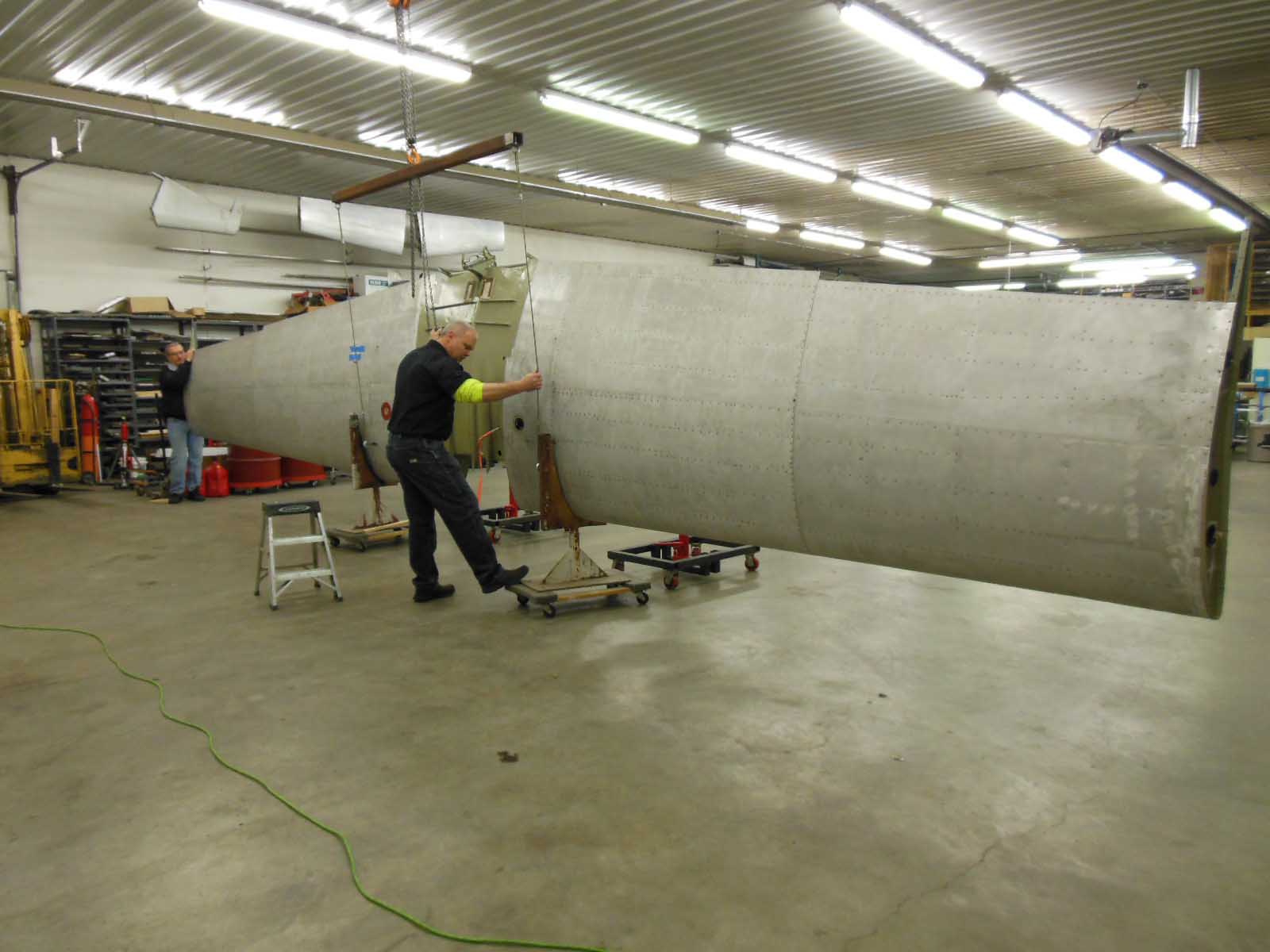
Meanwhile, in 2008, Fanti moved from New Jersey to Greer, S.C., and bought a home at Chandelle Air Park, where he owned a beautiful metalized big-tail Stinson 108-3. Unfortunately, in 2011 his house burned down and they lost everything including the Stinson. He explains: “While recovering from that experience mentally, emotionally, and financially, a good buddy of mine who was a captain at United Airlines asked me if I was considering replacing the Stinson with another airplane. I have always been attracted to the classic era vintage post-World War II family of general aviation aircraft. However, at 6 feet 3, there just are not that many planes I can get into comfortably. I was always a fan of the Navion, but it seemed like whenever I saw one, it was the derelict on the field. Typically, it might have a flat tire or two along with a very faded paint job. I know this is a generalization, but in my opinion, if a seemingly abandoned airplane looks like hell, that is most likely reflective of its recent maintenance care. I told my buddy that I would love to own a Navion but that would likely be the aeronautical equivalent of Forrest Gump’s box of chocolates … You just could not be sure what you would get if you looked for one on the open market. I did not want to end up with a piece of junk that I would have to totally rebuild. At that point, my friend said, ‘Speaking of rebuilds, there’s a guy up in the Minneapolis area who rebuilds Navions.’ As much as I thought I kept up on general aviation developments, I knew nothing about this guy named Chris Gardner, owner of Sierra Hotel Aero, based at Fleming Field Airport in South St. Paul MN (KSGS). I quickly learned that he is a veritable wizard when it comes to Navions.”
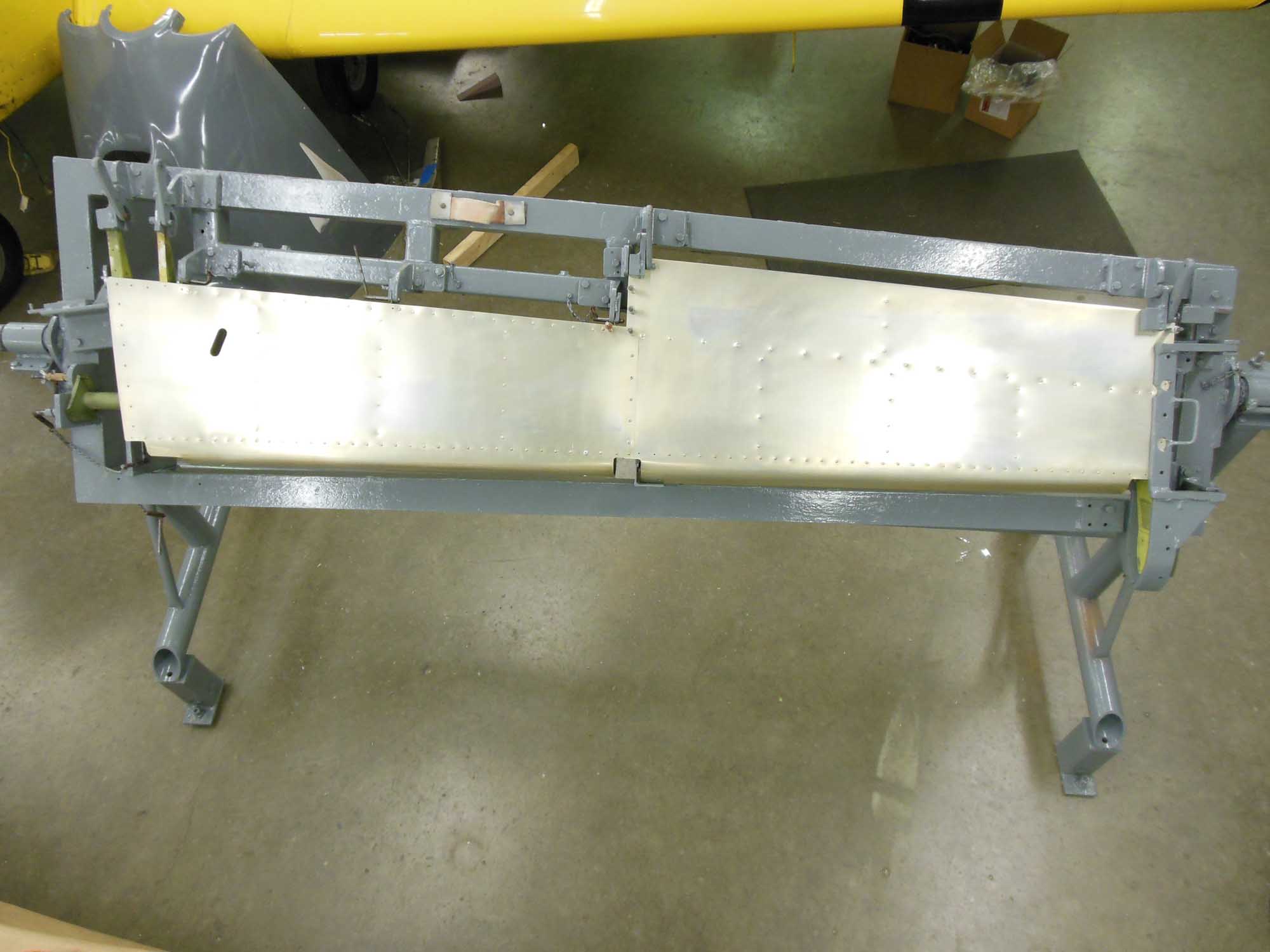
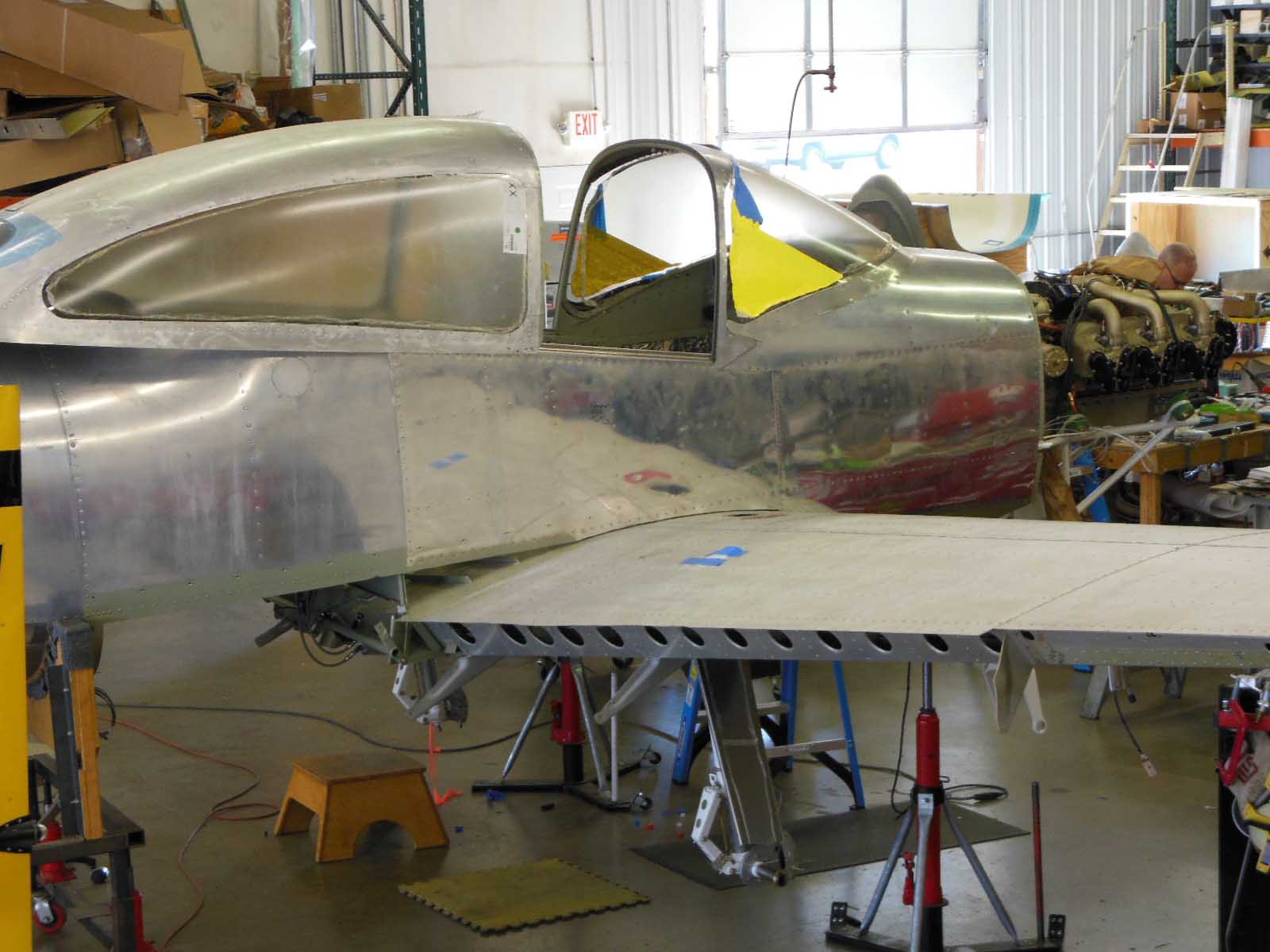
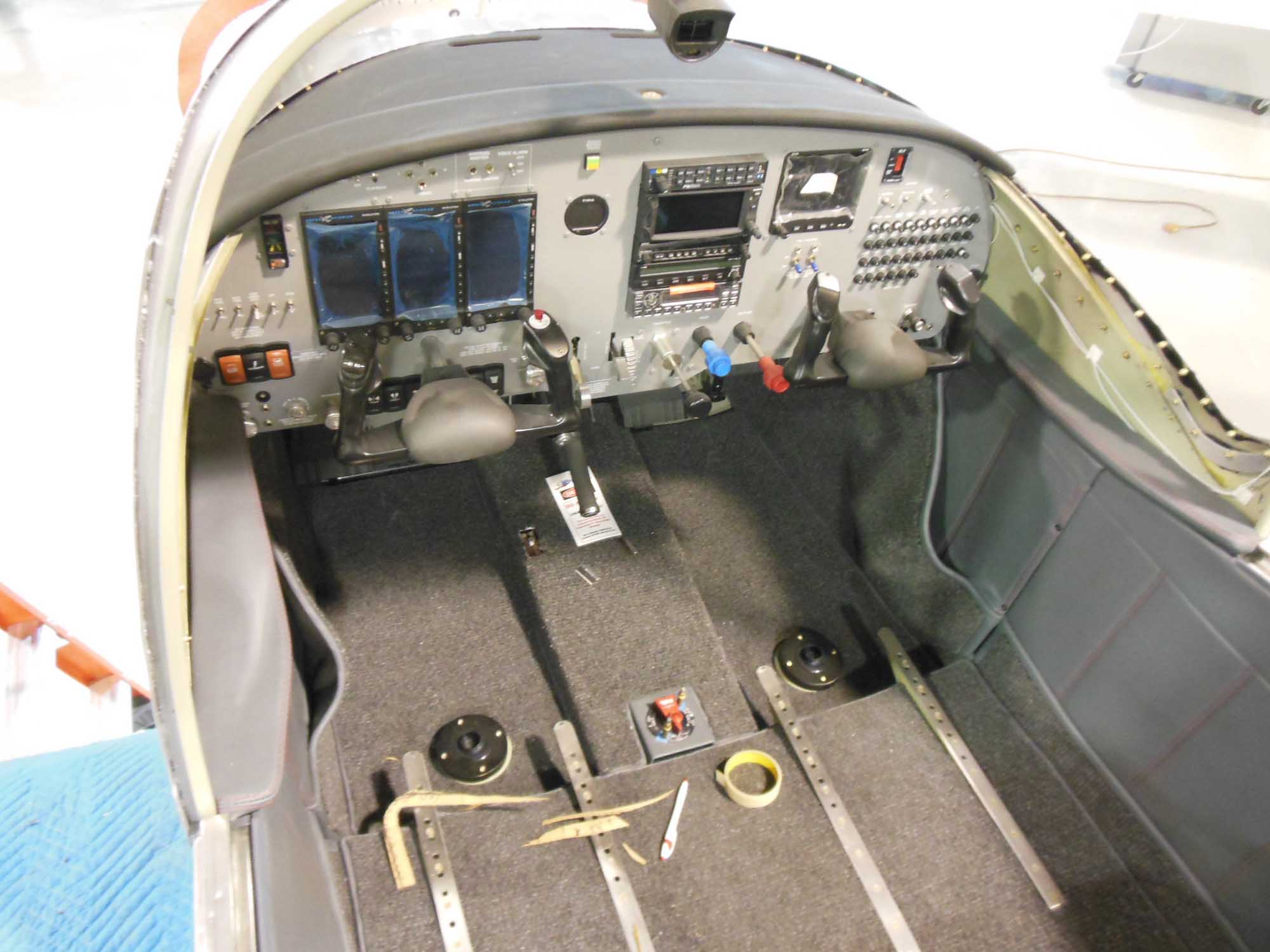
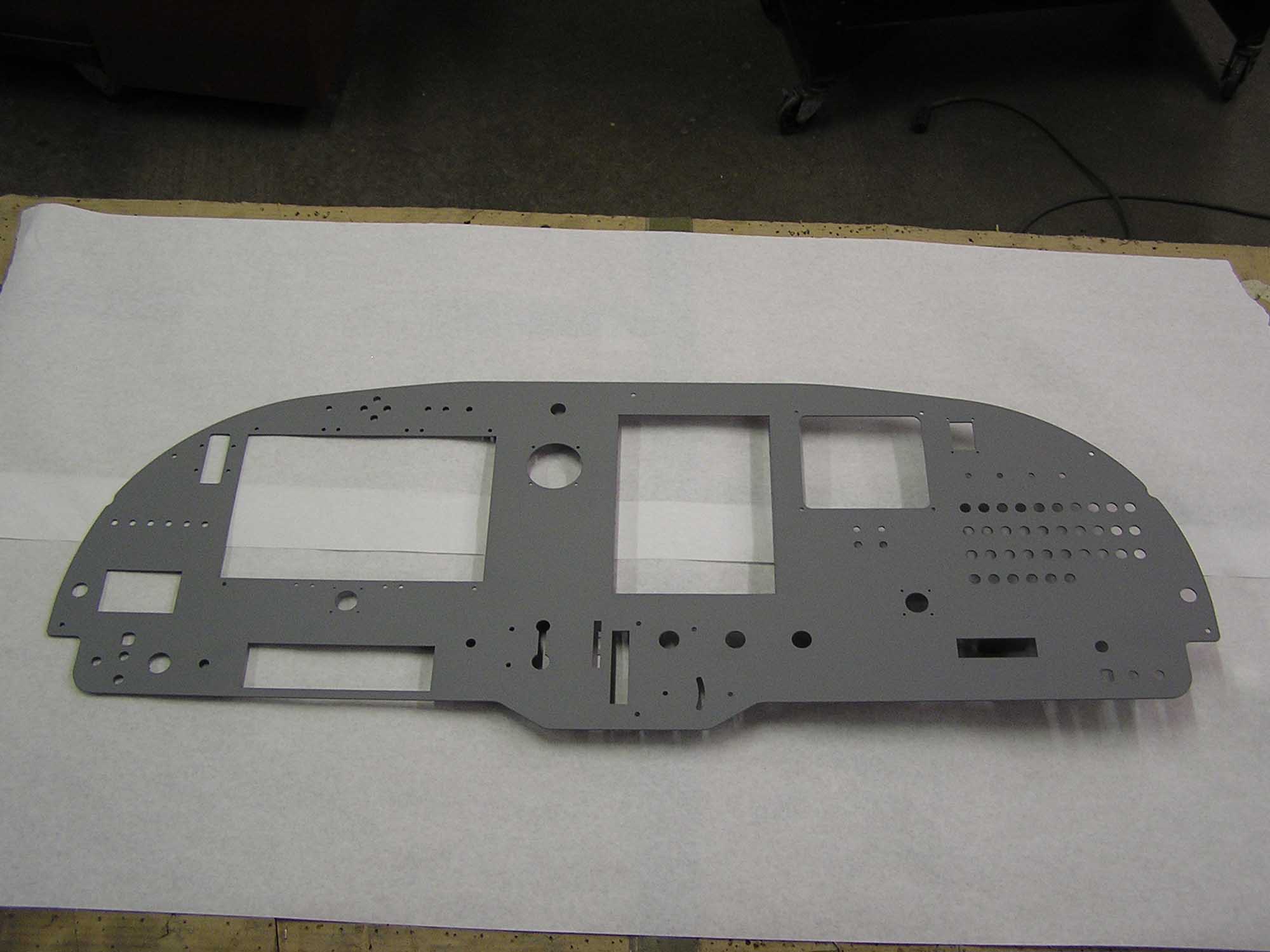
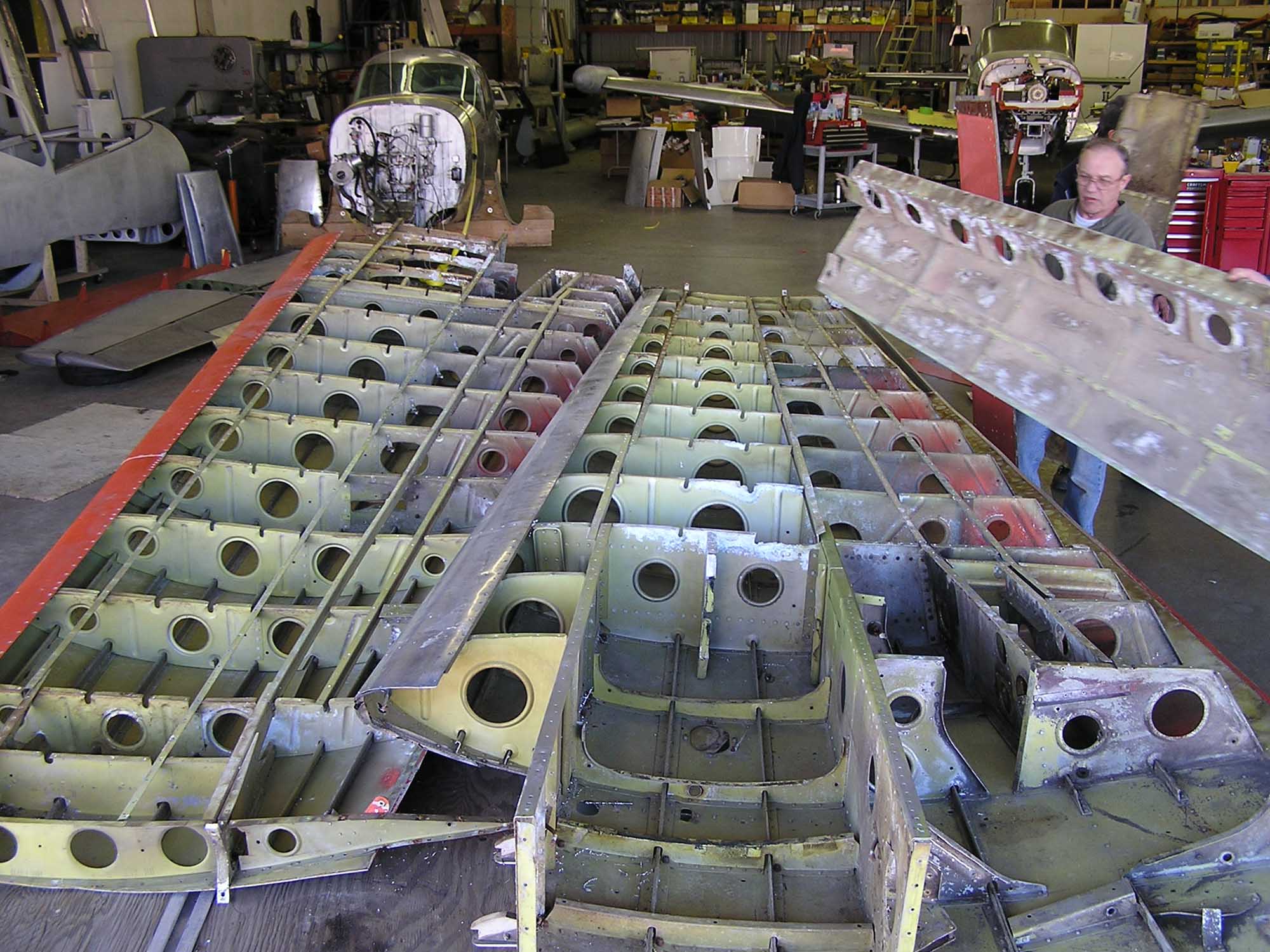
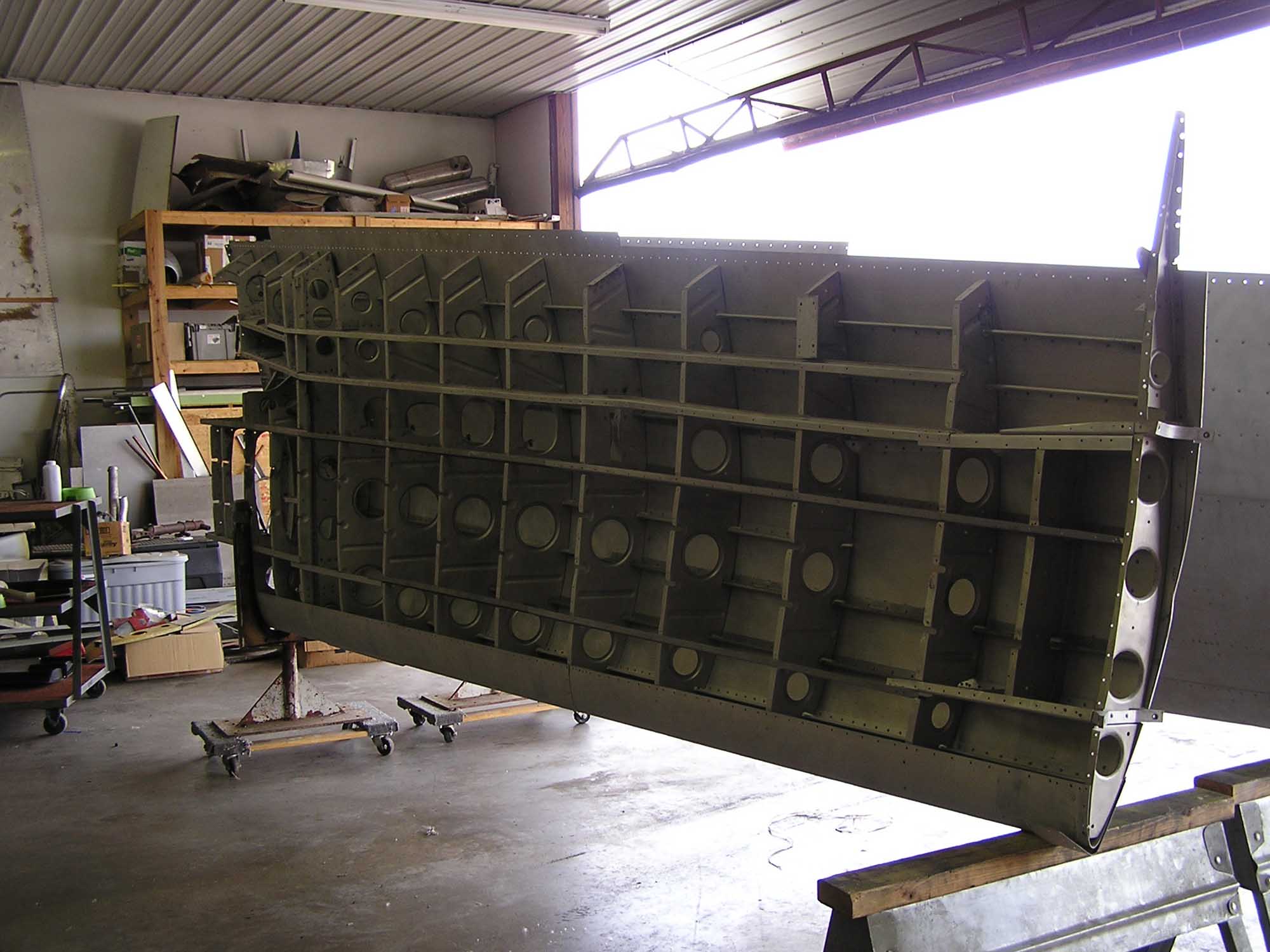
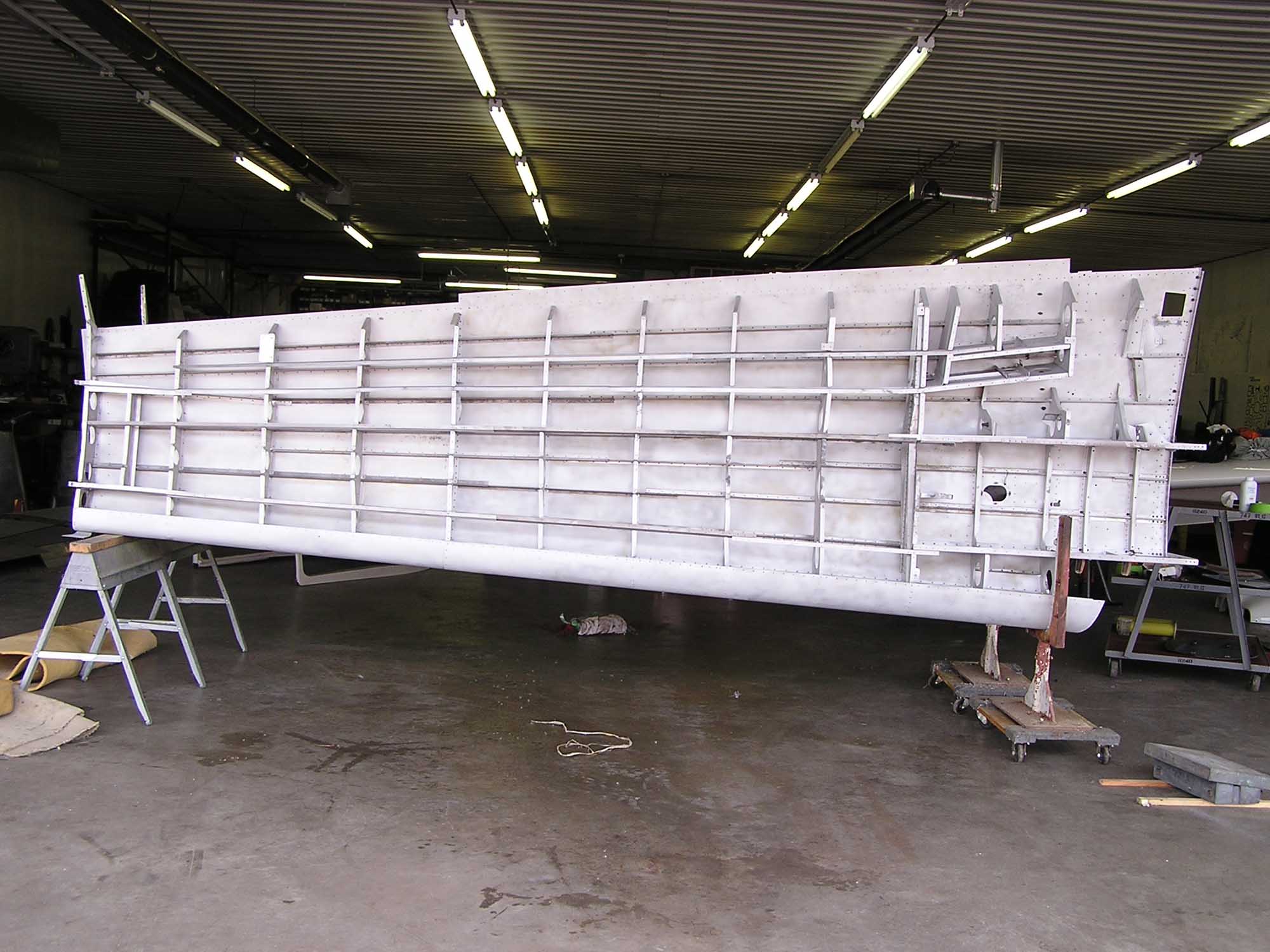
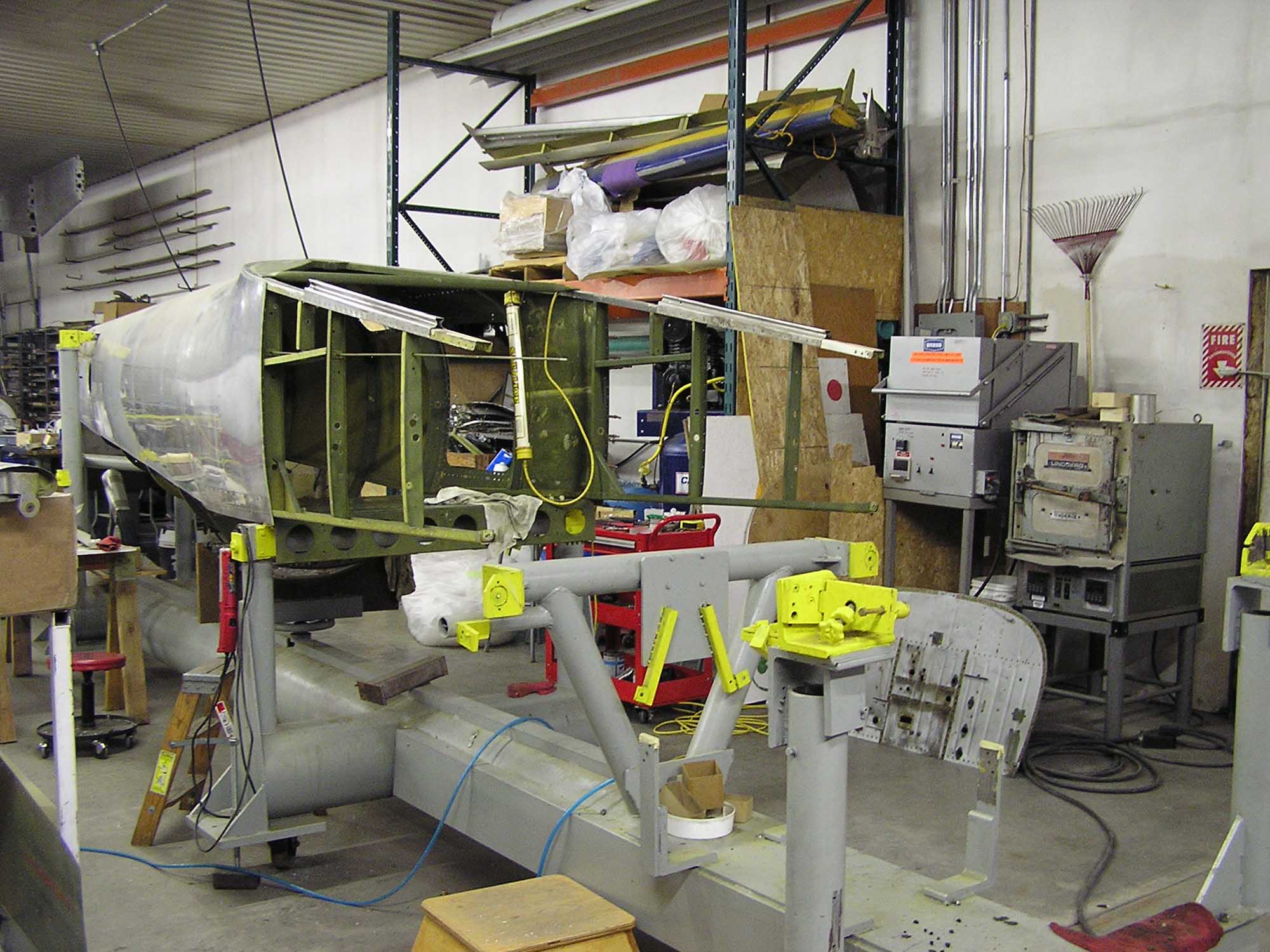
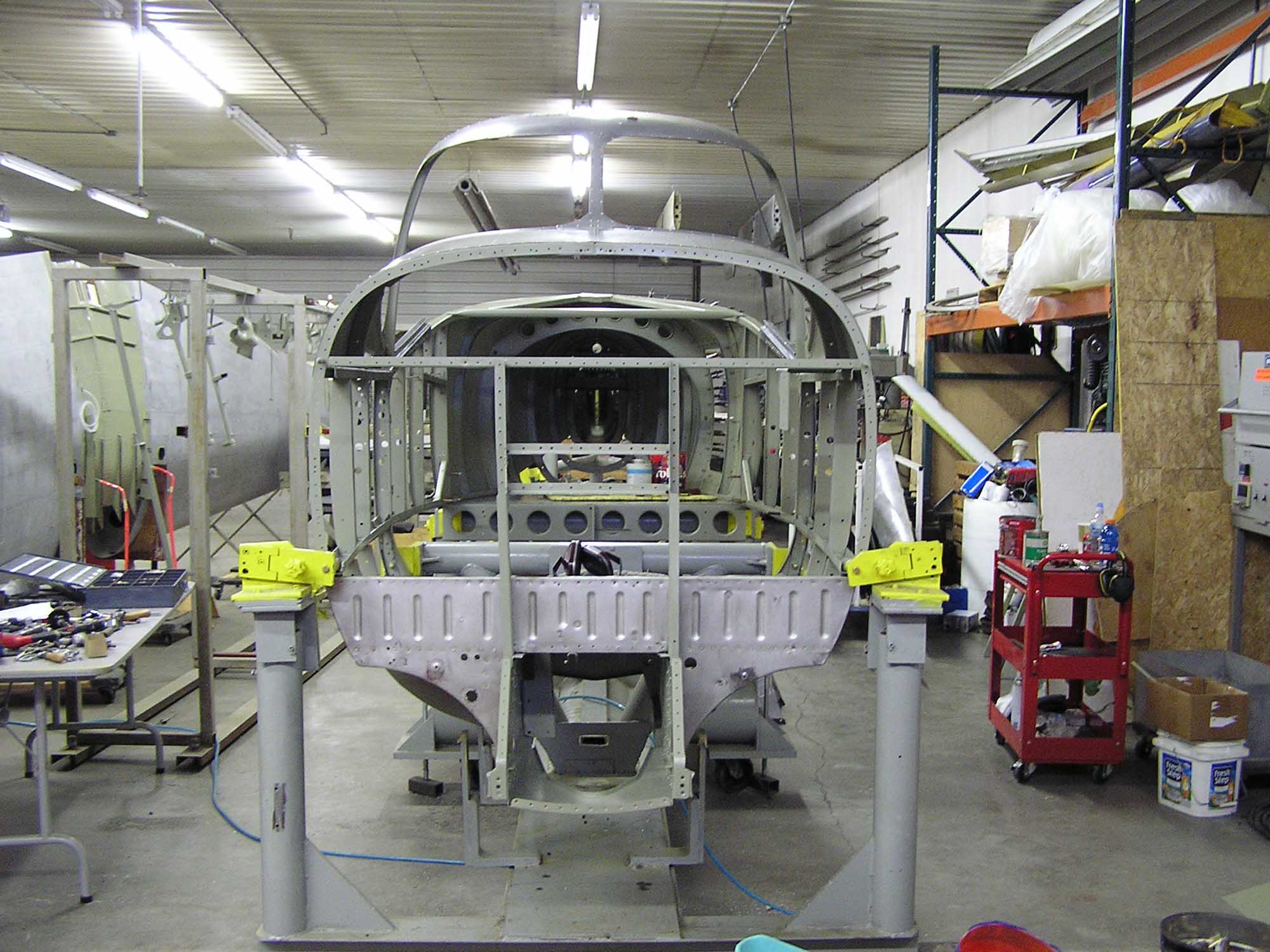
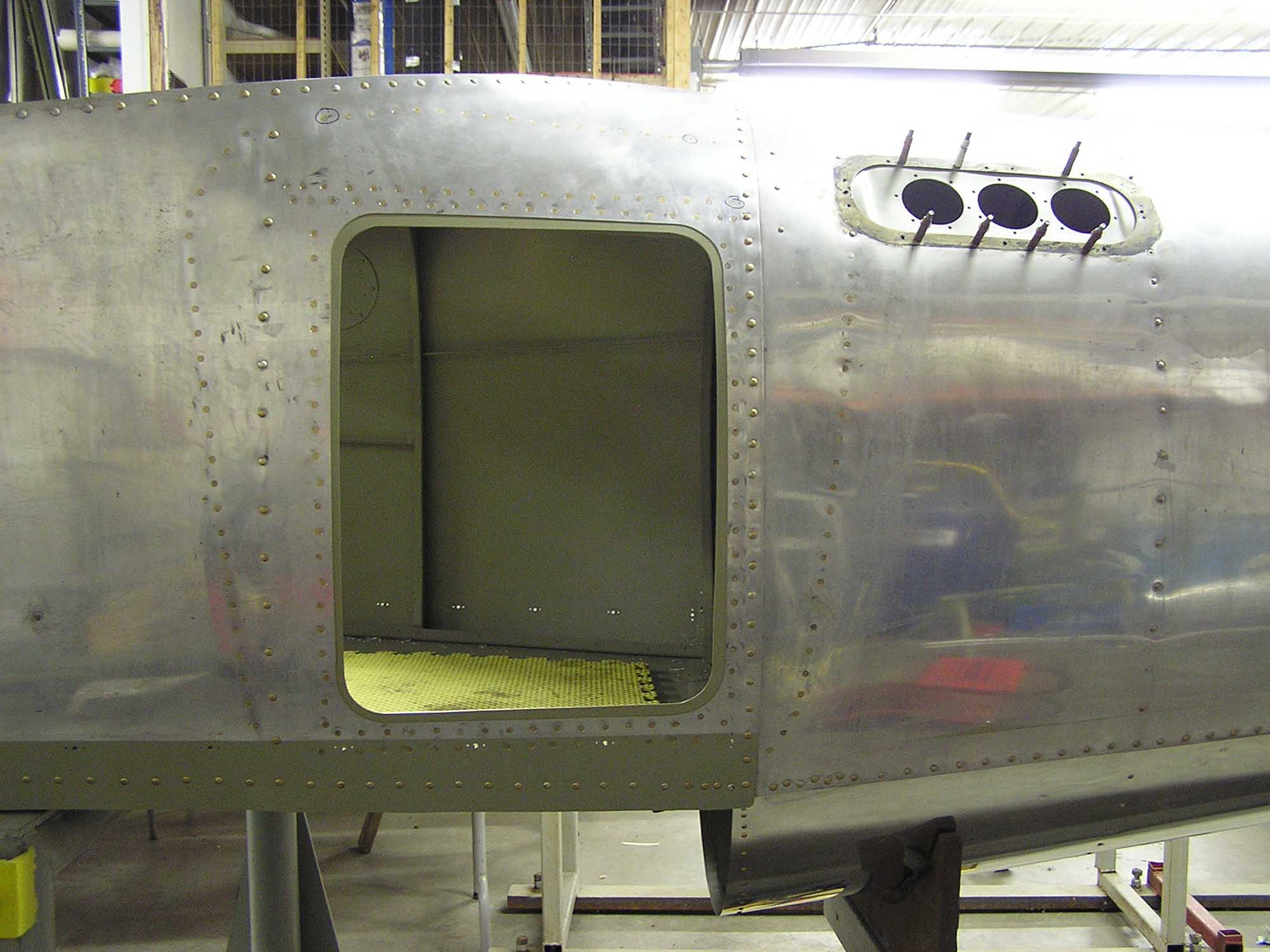
Fanti and his United Airlines friend wound up going to visit Gardner, who showed the visitors around his facility. Fanti admits: “I have to say I was extremely impressed with the work he was doing. He had a bunch of retired Northwest Airlines mechanics working for him, all professional grade maintenance experts. I asked him, ‘If I was interested in buying a Navion for you to make it better, how would I go about that?’ He responded, ‘You can identify a Navion when it becomes available on a market. I will do a preflight and prebuy inspection and determine whether it is a good candidate and we’ll go from there.’ I figured I was going to wind up waiting for a Navion to show up in the market.”
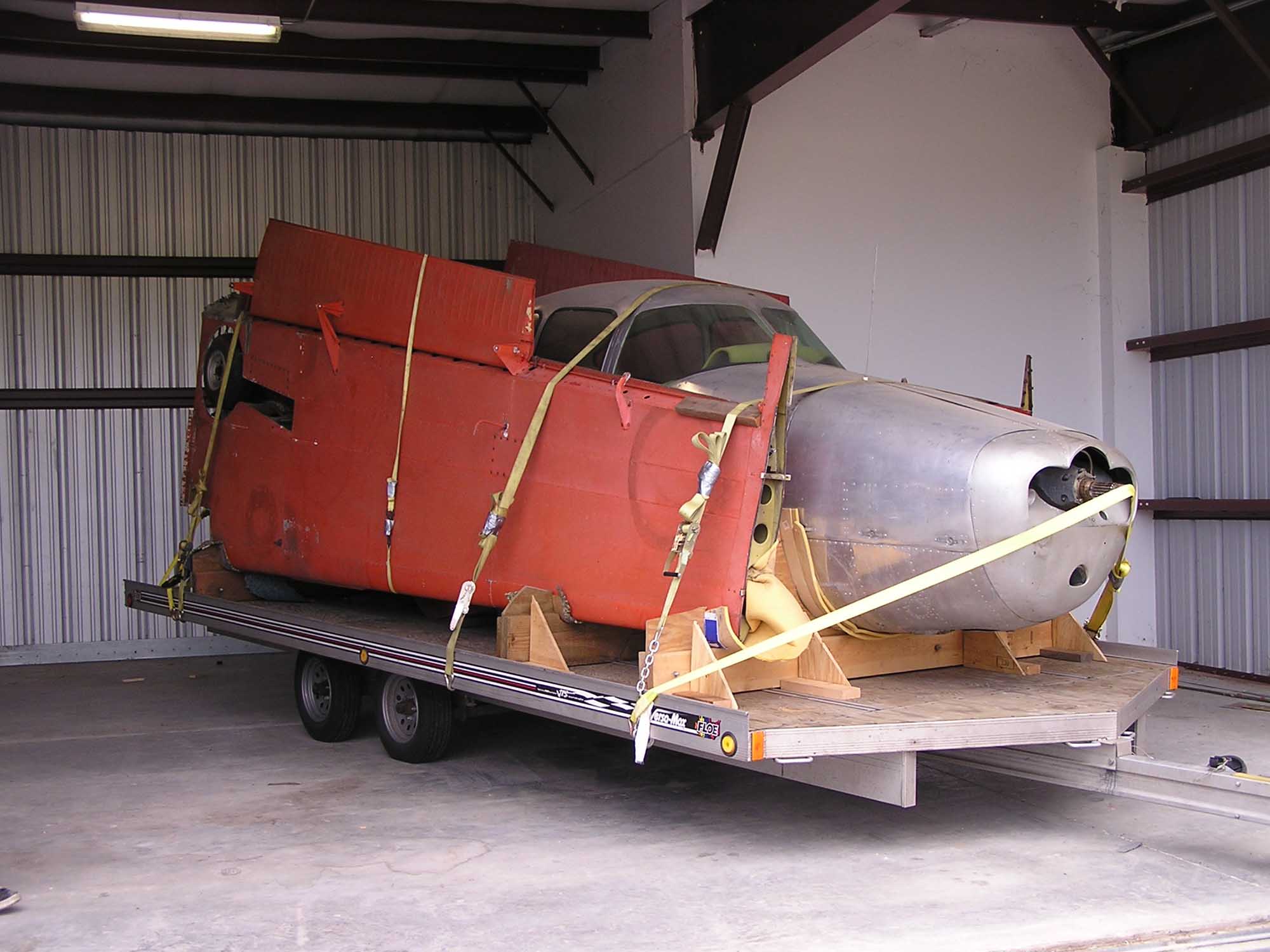
As it turns out, Fanti did not have to wait very long. Gardner had a Navion project in his shop, which was in an early preliminary stage with perhaps no more than 10% to 15% having been completed by Chris at that point, but the owner had run out of money. “I asked Chris if he thought the owner would be interested in selling the project. He responded in the affirmative, explaining that at this stage of the game, he figured that the owner would probably be happy just to get out from under it. Chris took me to a building on the other side of the airport and showed me what turned out to be my airplane, which was just a collection of mostly highly corroded airplane parts. I ended up making an offer to the owner of the project, which he accepted.”
Fanti explains: “We were dealing with a very unusual circumstance in that we had lost everything we owned in the fire, and we wanted to come back and rebuild at our air park. If we were going to continue living at an air park, well, I would need an airplane, one that I can get in, so that meant that a Navion was high on the list of potential airplanes. However, I did not want to own just any old Navion that was continually developing problems. The cost was considerably higher than I’d planned, but I talked with my wife Diane, and she said, ‘If you want to do this, just go ahead and do it.'” By the way, there is an ongoing debate regarding the ‘correct’ pronunciation of the aircraft name. Here is the best that I have been able to come up with. North American built 1,109 Navions in 1946–47, and it was originally spelled NAvion and pronounced “NAVY-on,” the “NA” standing for North American. In 1949, the production was restarted by Ryan, and the aircraft was renamed “Navion.”
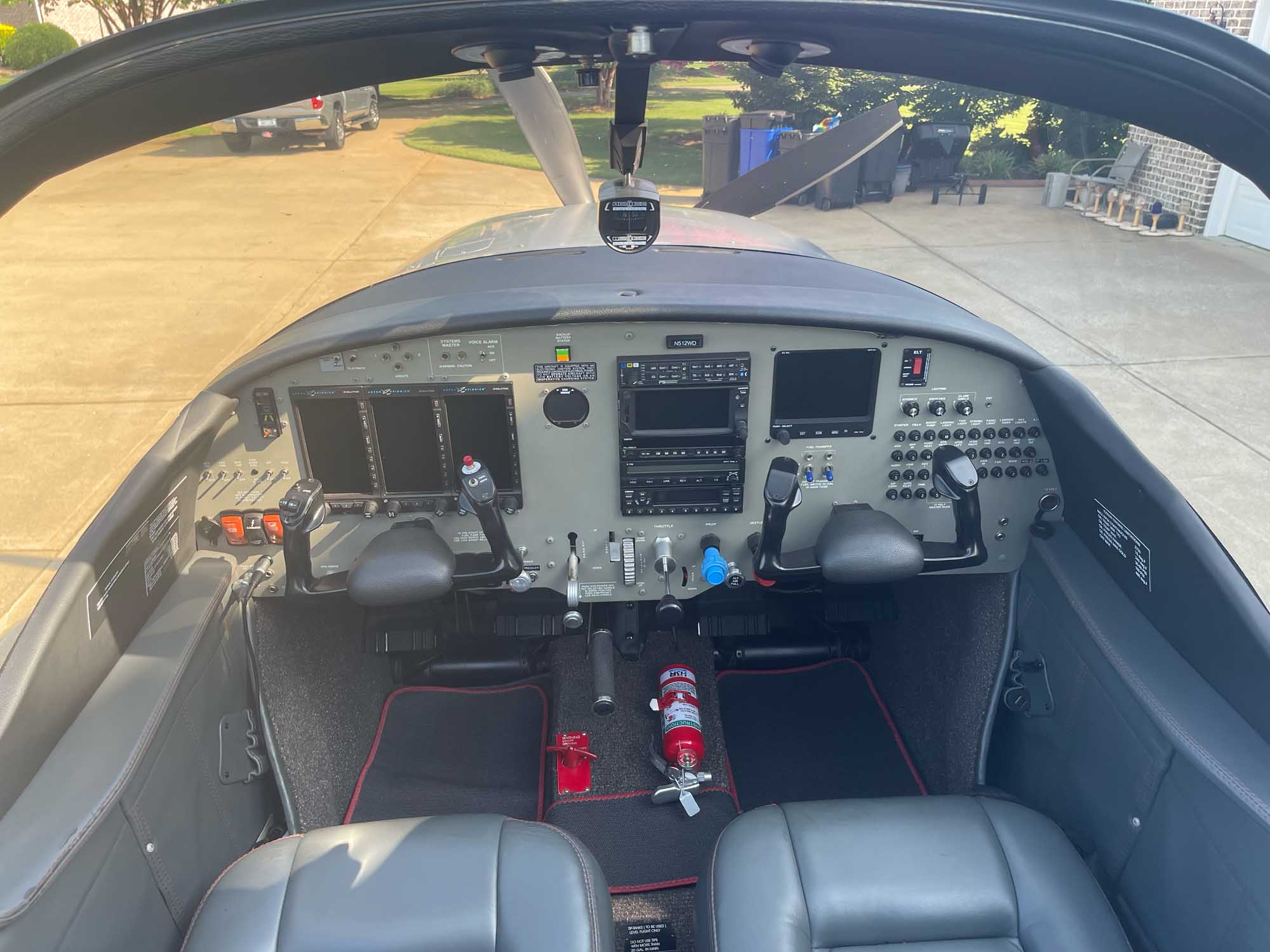
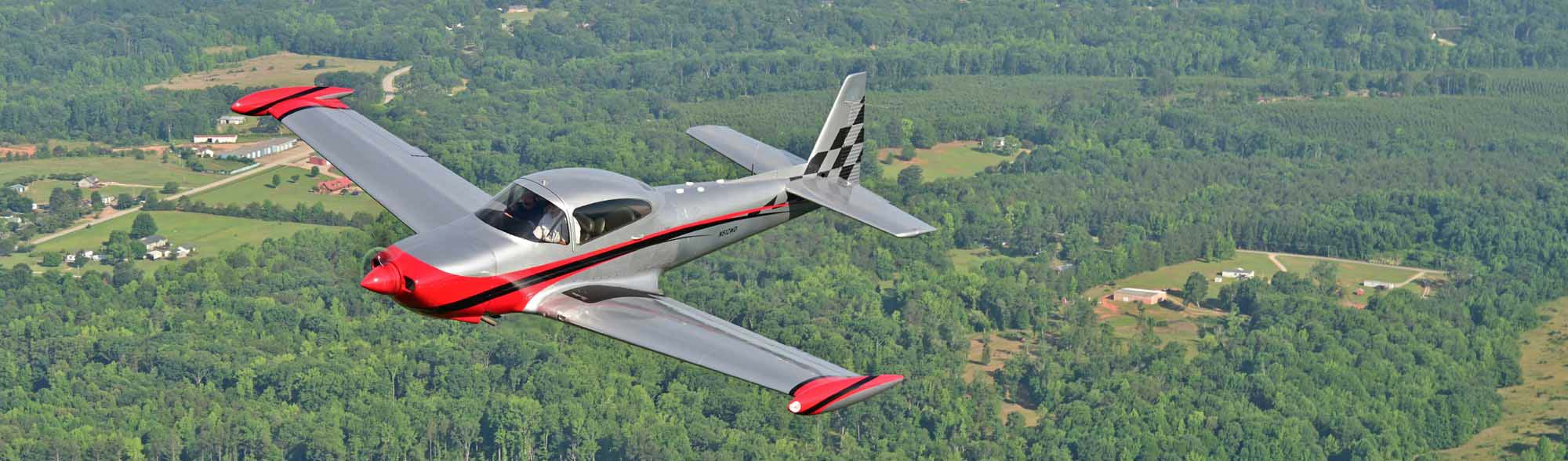
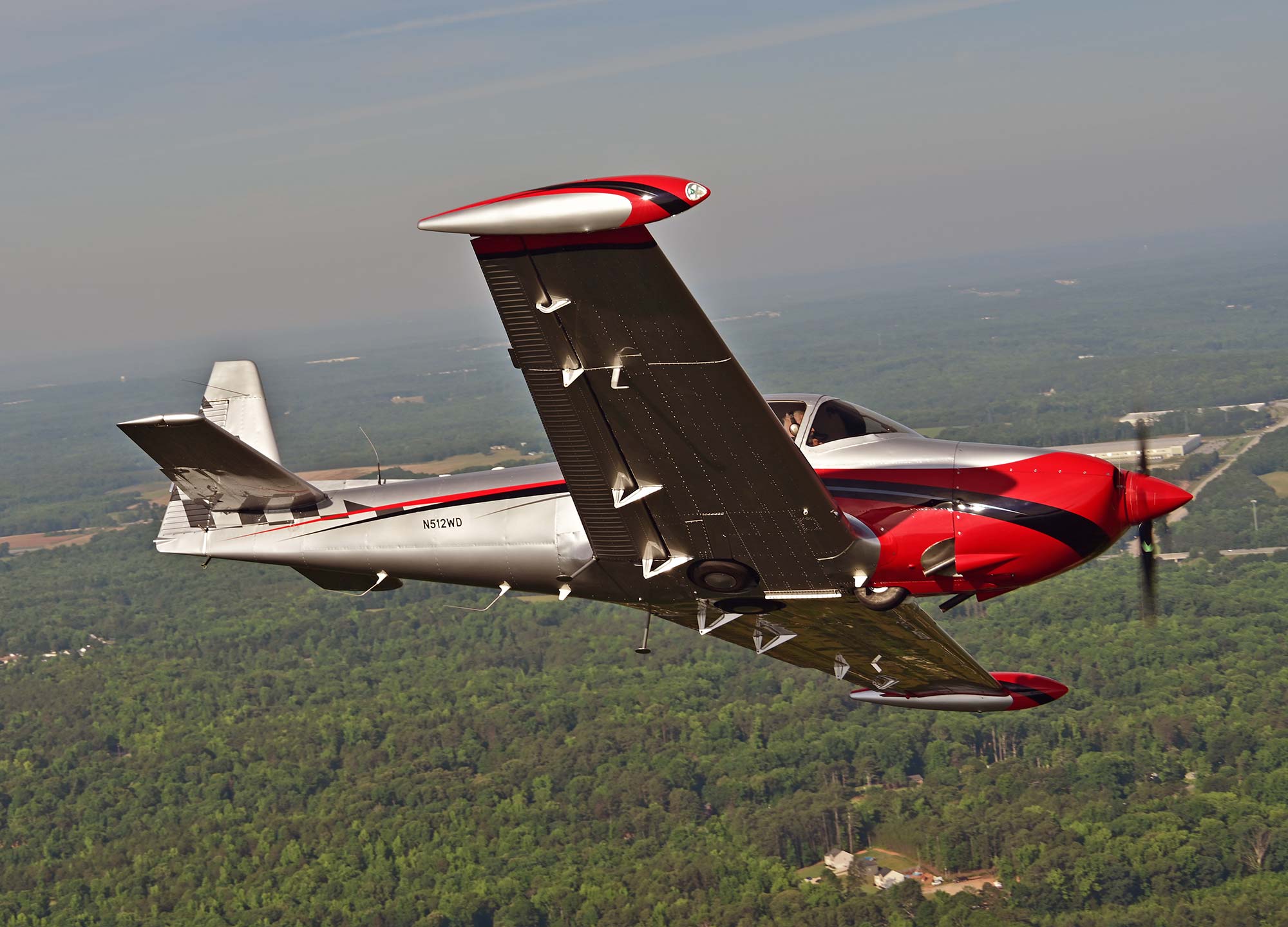
With that kind of spousal support, Fanti gave Gardner the OK to begin what ended up being about a 40-month project. He notes that Gardner is now the type certificate-holder of the Navion, so he’s authorized to build them, modify them, and do pretty much whatever he wants. The airplane data plate shows that this Navion is serial number NAV-4-618, which came out of the factory as a North American Navion A. Over the years, there were Airworthiness Directives issued, and Ryan made modifications from the original design. So, while NAV-4-618 began life as an “A,” Gardner eventually converted it to an “F,” the final canopy version of the Navion. Navions were typically powered by 205-hp Continental O-470 engines or 250-hp Lycoming O-435. Gardner installed a 310-hp Continental IO-550R, fitted with a four-blade MT composite propeller, giving it considerably more pep in its step.
Chris Gardner says, “The engine and associated systems represented the major modification to the Navion. We also installed a full glass panel, to include the Alpha Systems AOA unit, the Aspen MFD/PFD/MFD suite, an S-TEC 55x autopilot, Garmin GTN 650 navigator along with the MVP-50 Digital Engine Monitor from Electronics International. We increased the fuel capacity by adding a pair of 20-gallon tip tanks, which also allowed for an increase in the maximum gross weight of the aircraft. There were a lot of relatively small things that we did. We put dual trailing edge wing steps on, so you can access the cockpit from both sides of the airplane. That became popular with the Navion rebuilds we were doing. After all, if you can access the cockpit from either side, why not make boarding the aircraft as easy and convenient as possible? A totally redesigned, more streamlined engine cowling was fitted. We also installed a lower profile one-piece windshield to decrease drag, as well as new side windows. We added HID exterior lighting, which was really popular at the time. We upgraded the electrical system and power plug to a 28-volt system, which was standard for the Navion rebuilds. We completely reskinned the entire bottom of both wings and then replaced some top skins. We also replaced some fuselage and empennage skin. Finally, we sent the Navion across the field to Wipaire for its classy paint job and leather interior.” Following the rebuild, Walt initially registered the plane as N512SH as a tribute to Chris Gardner’s Sierra Hotel Aero, but has since changed it to N512WD.
Gardner explains that his goal was to show the world what Sierra Hotel Aero could do with an iconic legacy aircraft and in making it new again. He says that he really worked hard not to step too far out to where the cost of components and certification would drive people away. “We also wanted to demonstrate that we can take this mid-1940s vintage airplane and give it everything that a modern Cirrus or Bonanza has, as far as electrical system components, autopilot, and avionics, but have a much better airframe to do that with. The Navion is an extremely robust and stable platform and our whole drive was centered towards building new aircraft.”
It did not turn out quite that way. By the time COVID hit, Gardner says that his shop was swamped with so much maintenance and modification work that he abandoned his original idea. He notes, “We pivoted our core business toward supporting the aircraft and supporting other shops for people who want to keep Navions flying and wanting to upgrade and rebuild them. Navion support work has become a major focus for us. Besides that, I do a lot of consulting work.”
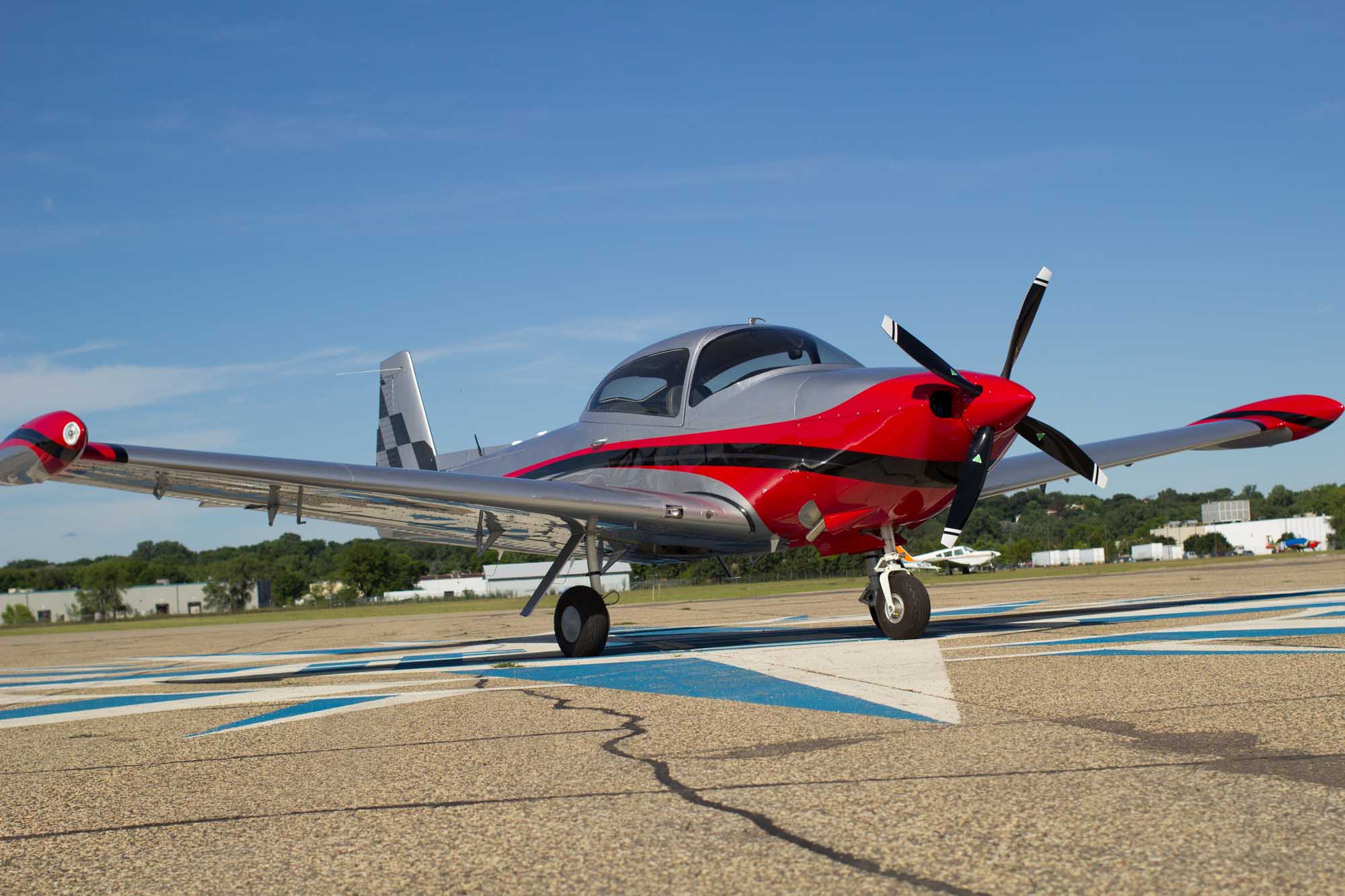
It took Gardner 40 months to complete the rebuild of this one of two-of-a-kind Navions, but he finally turned the airplane over to Fanti in November 2014. At that point, the original airframe had 2,200 (previous to the rebuild) hours on it. Walt says, “My remanufactured and modified aircraft ended up being quite unique in many ways. One slight unique oddity about it, is that the original Navion/L-17 pilot manual is no longer applicable to use as a true pilot manual.” Navions are obviously out of production, and there is no manufacturer willing to conduct flight tests in order to produce and validate new performance data and V-speeds for an airplane that has been modified with a bigger engine. Beechcraft has done that for Bonanzas with larger engines, and Piper has done that for several of its aircraft. He continues, “Technically speaking, I’m without a revised pilot’s manual which fully and accurately reflects all of the modifications made to my legacy aircraft.” However, Chris Gardner explains, “Putting in a larger engine does not degrade any performance characteristics and the airplane can be expected to exceed published performance data.”
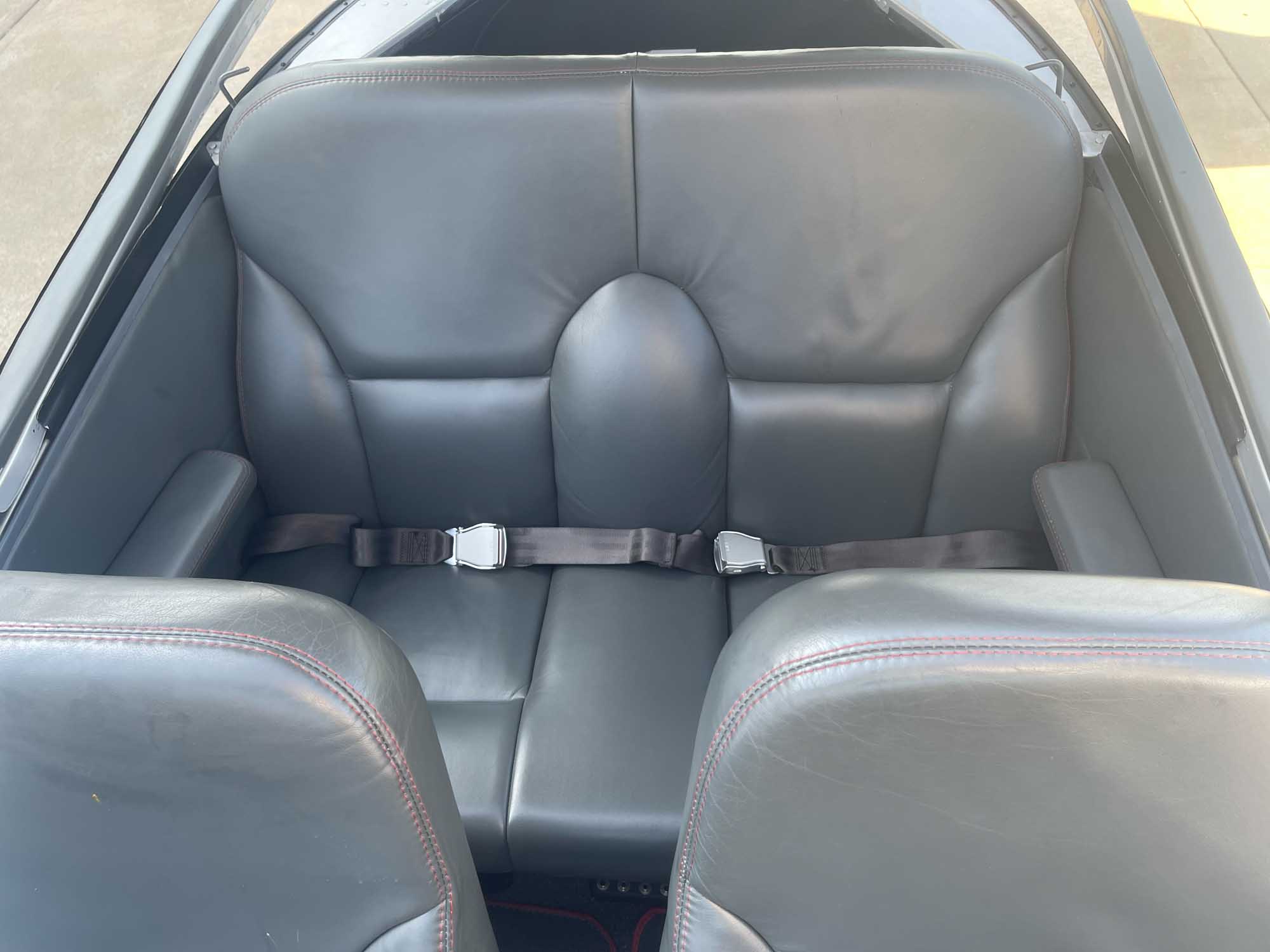
While the Navion arguably offered the most comfortable cabin in its class in its day, its cruise speed proved to be slightly less than stellar, mainly due to the design of its high lift wing. Fanti points out that the Navion was designed with Short TakeOff Landing (STOL) characteristics before that term came into being. Walt explains, “The underside of the outer wing panel is noticeably concave while the inner portion of the wing has a thick camber.” With lift comes drag, and this high-lift clean wing design also produces lots of induced drag as well. Early models of Bonanzas were being produced at the same time as the Navion. Using the same engine, the Bonanza with its much thinner wing was 30 miles per hour faster than the Navion.
As of this writing, Fanti has put on some 720+ hours since he adopted it 12 years ago. He proudly states, “I fall into the category of babying the engine. I operate my engine at the 65% engine power level. I learned this from a well-known A&P, a gentleman named Mike Busch. At 65%, I cruise at around 148 mph IAS. At that setting, I can get my fuel consumption down to around 13 gallons per hour. Even better, my cylinder head temperatures are typically down below 330° Fahrenheit, with the average CHT of the six cylinders being at around 310° Fahrenheit. A lot of that has to do with the fact that Chris designed a very aerodynamically efficient engine cowl that packs the air into the engine inlet. That cowl does a really good job of keeping the engine cylinder head temperatures down. And that, in turn, is the controlling factor in the life of a reciprocating engine. It is all about not exceeding a certain temperature on the cylinder head.”
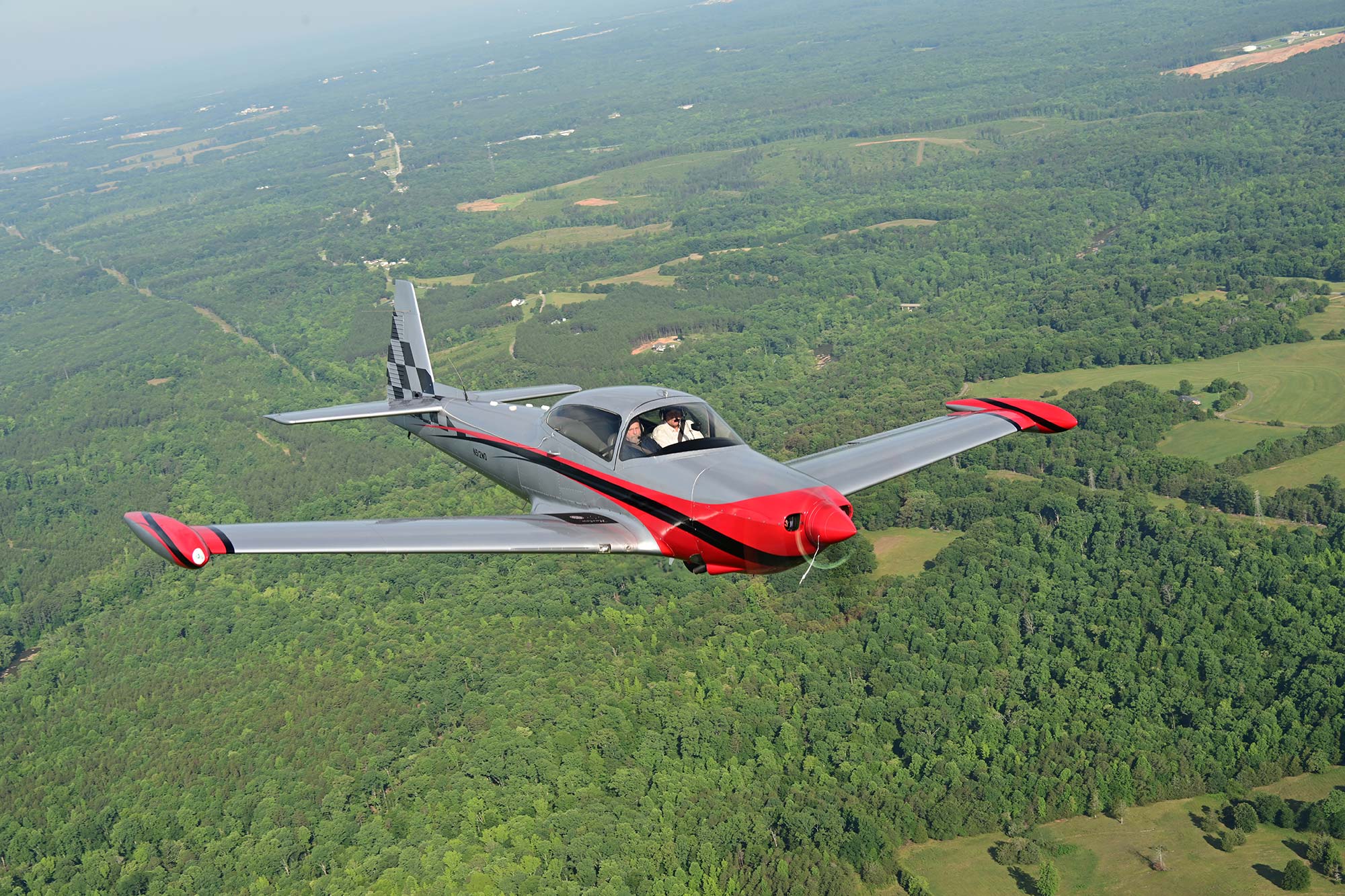
On top of improved performance, the paint job is modern-looking and eye-catching, giving the old girl a look that could be called “Classical Modern.” Walt Fanti has invested a lot of time, effort, and money into keeping this beautiful classic looking its best and flying its best. N512WD is in good hands.

Beautiful airplane and wonderful story about it. Thanks.
Thank you, sir. Yep, she’s a beauty.
I’ve had the wonderful opportunity to fly and train with Walt Fanti, and even ride in this beauty from time to time. Second to none, Fantastic, very knowledgeable instructor/professional pilot – who also flies the most beautiful NAvion I have ever laid eyes on! Great person! Great Plane! Pure joy in reading this article Jay!
Thank you for your comments. I agreed with everything. The best part of finding beautiful airplanes is getting meeting the people who own them. Walt and Diane are super people.
Stunning NAvion! Thank you for the excellent article!
Thank you for reading! I’m glad you enjoyed it.
Great story, Jay!
Thank you for reading! I’m glad you enjoyed it.
Superb article about a truly wonderful owner/pilot/USAF IP of an iconic GA aircraft post WW II.
Thank you. It is, indeed, a gorgeous airplane belonging to a couple of super people.
Check WhiteHawk Aviation@ CJR, Culpeper, Va. Kevin is a Navion Guru.
Copy that, thank you.
My dad had a Navion based on Montgomery Field, San Diego. I developed a love for flying with him going down to Baja. Got my license in 1973 and have been flying ever since. Wonderful aircraft. Thanks for your great work.
Another most enjoyable read, with awesome eye candy images. Congrats to Fante for seeing through the Herculean effort of making this old bird sing like new again.