

“Would you hand me a countersink?”
It’s not that easy. Which isn’t to say it’s hard; it’s only to say there are options. There are options in the style of countersink used and how it is put to use. I see you’re falling asleep, so I’ll jump right in.
Countersink Styles
- Flute Styles
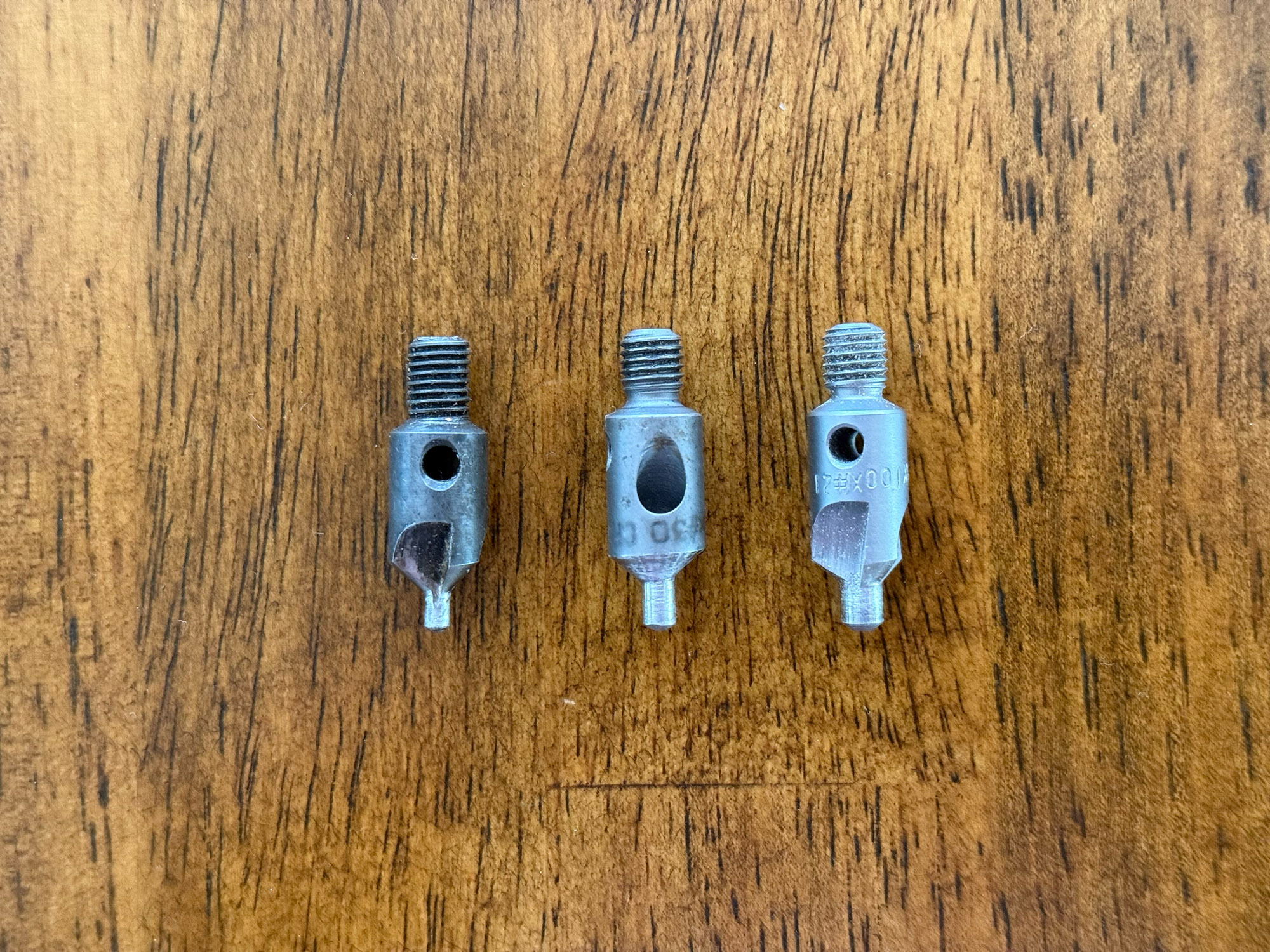
Countersinks come in three flute styles: single-flute, multiple-flute, and zero-flute. I prefer zero-flute countersinks when I’m countersinking the odd hole by hand, as they are less prone to chatter. - Shaft Styles
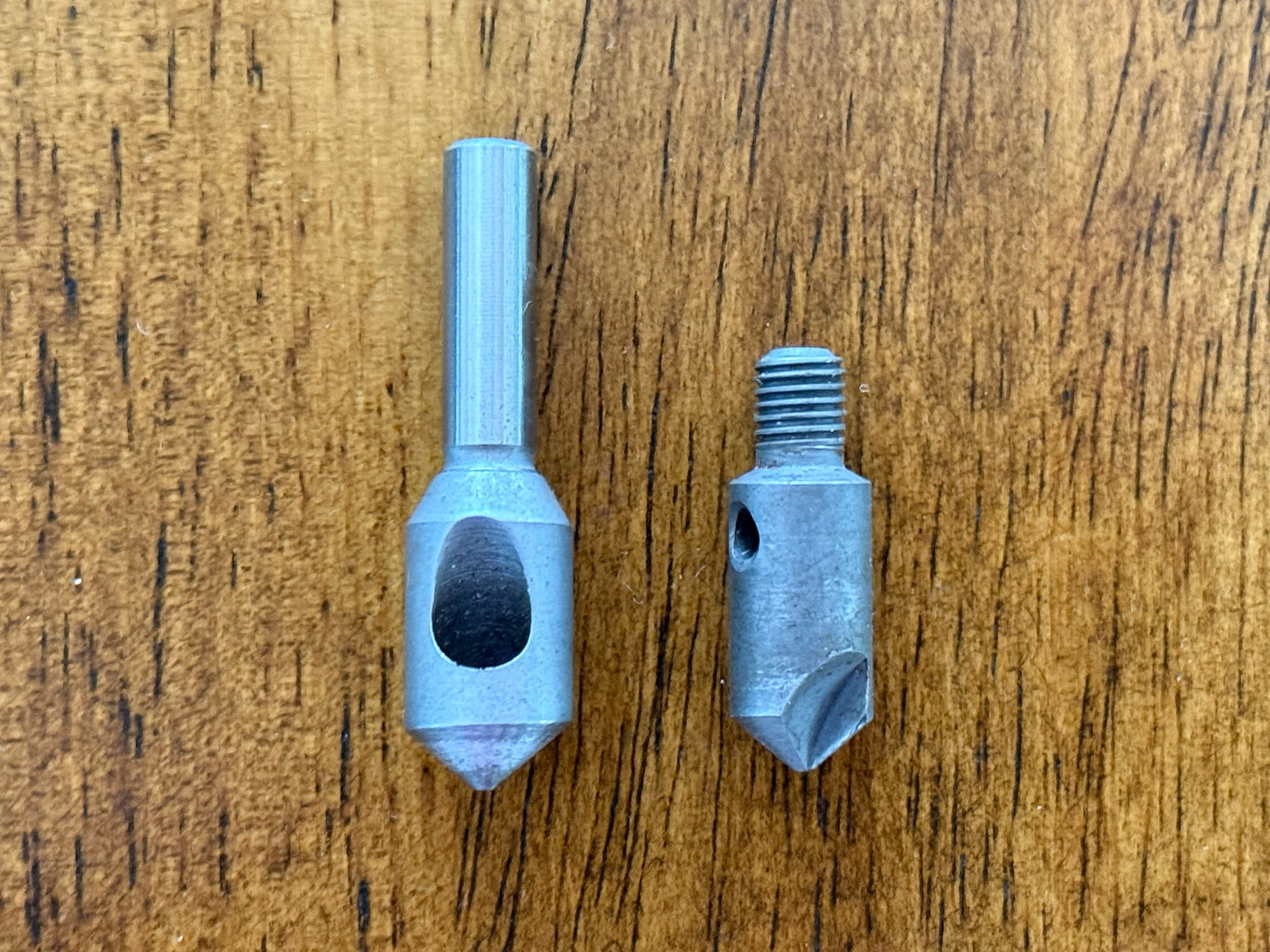
You’ll find countersinks come with smooth shafts and threaded shafts. Smooth-shaft countersinks are for chucking in a drill, drill press, or lathe. Threaded-shaft countersinks are for use in deburring tools (which should be used minimally for countersinking) and in microstops, the go-to tool for accurate countersinking, which we’ll get to. - Piloted and Non-Piloted Countersinks
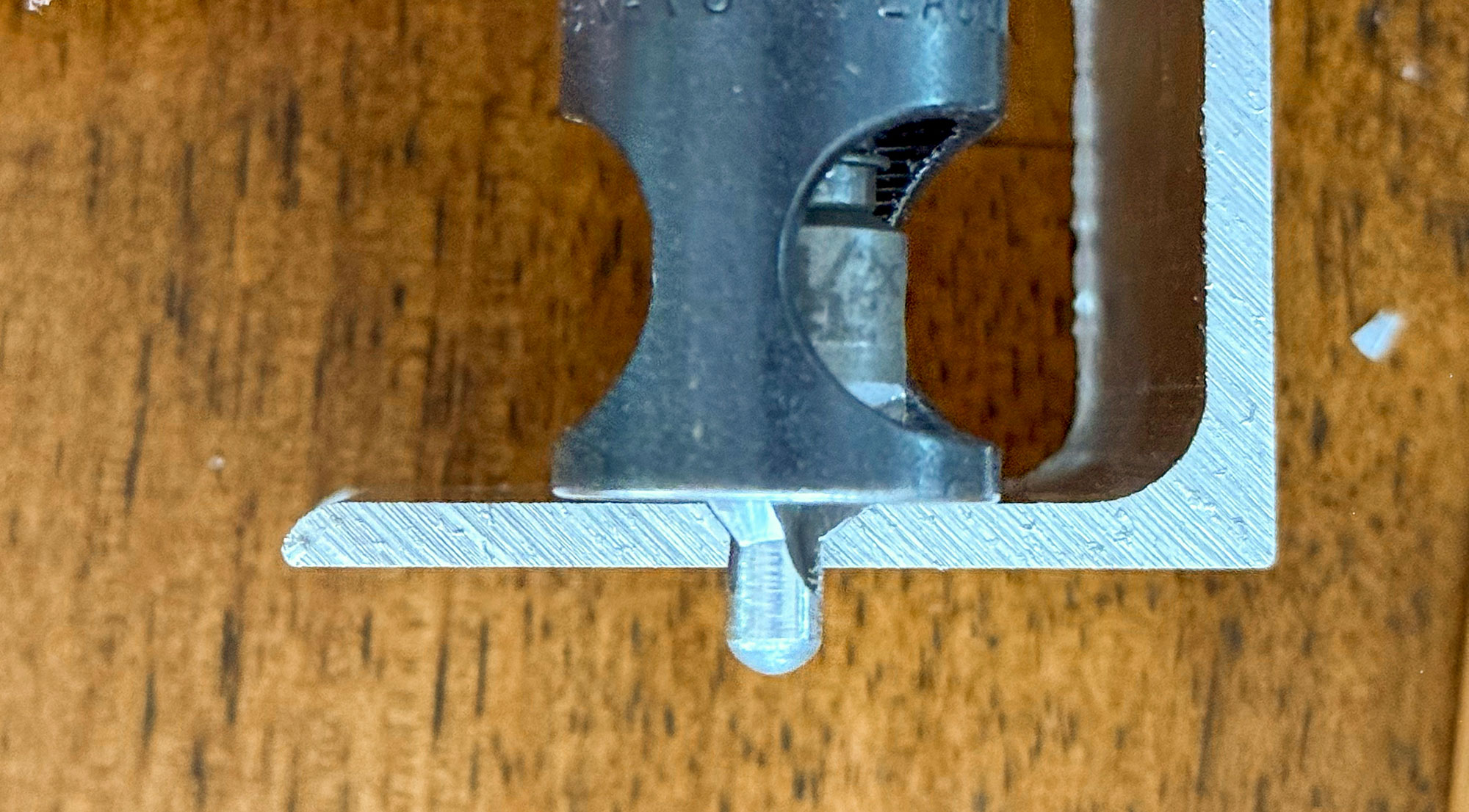
Countersinks are found with tips that simply form a point, like a drill bit, or are terminated with a pilot (a short, cylindrical lead). The pilot engages the hole to be countersunk and guides the flutes accurately into the hole. The pilot’s main purpose is to keep the countersink centered on the pilot hole, but it also aids in reducing chatter. Piloted countersinks are available with pilots sized for all common applications. For instance, a #30 pilot is used for countersinking holes drilled with a #30 drill. - Flute Angles
Countersinks are made in a variety of flute angles to accommodate a broad spectrum of hardware. Aviation rivets and hardware are manufactured with a 100-degree angle, so make sure your countersinks are also 100-degree. (In the experimental-category world, it is possible non-AN hardware is sprinkled into an airframe here and there. If in doubt, contact the airframe’s designer concerning the proper angle countersink to use for the hardware they’ve defined.)
Countersinking Accurately
As mentioned earlier, I’ve countersunk a hole here and there with a deburring tool. It’s best done when the hole is small, and therefore shallow, and only here and there. When countersinking by hand, I’ve found a non-piloted countersink works best. It can be difficult to hold the countersink perpendicular to the hole while countersinking by hand—a piloted countersink can bind.
Countersinking by hand with a power drill can lead to woe. As with every use of a power tool, one can make fast work of a job or fast work of ruining a part. If a countersink starts to chatter, the damage is done before the trigger can be released. I have had success countersinking holes with a drill, but I always (always) use a zero-flute countersink when I do.
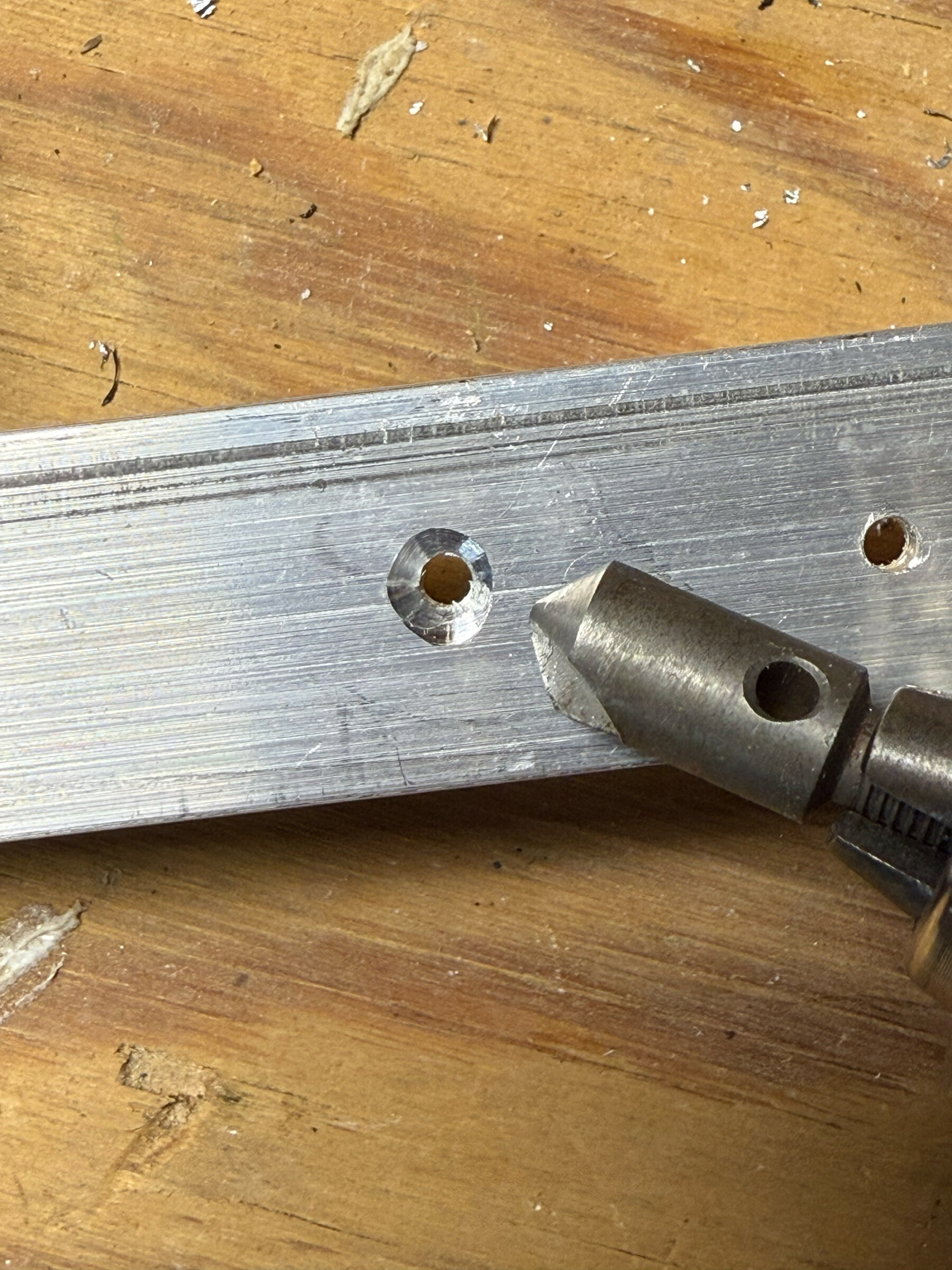
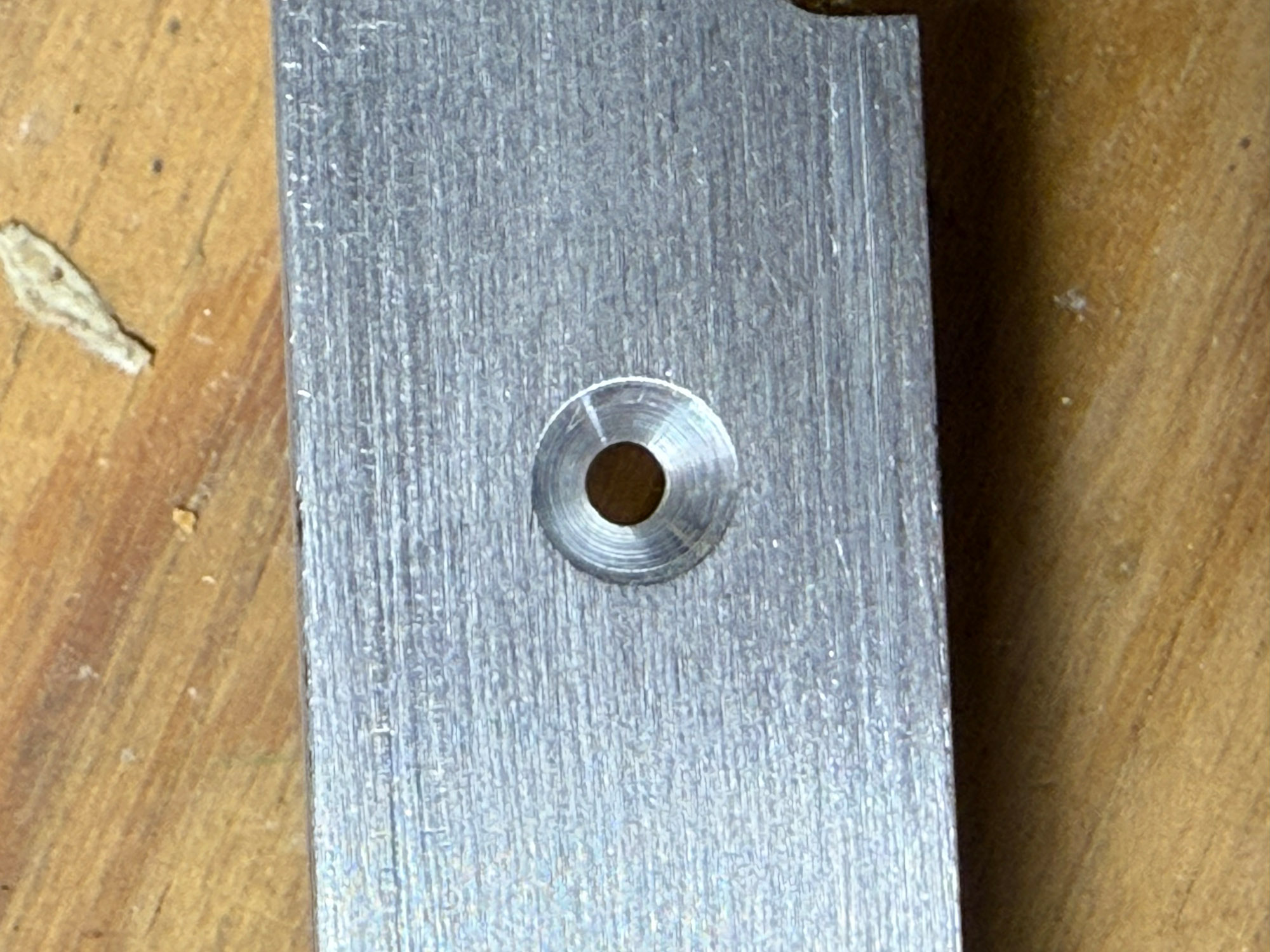
Besides chatter, another issue that can arise when countersinking by hand is creating an oblong countersink, or one that is not centered on the hole. That is where piloted countersinks shine. They hold the countersink centered on the hole and help keep it perpendicular to the part.
Even if every precaution is taken, a hand-drilled countersink can still come out less than ideal, so we reach for a microstop.
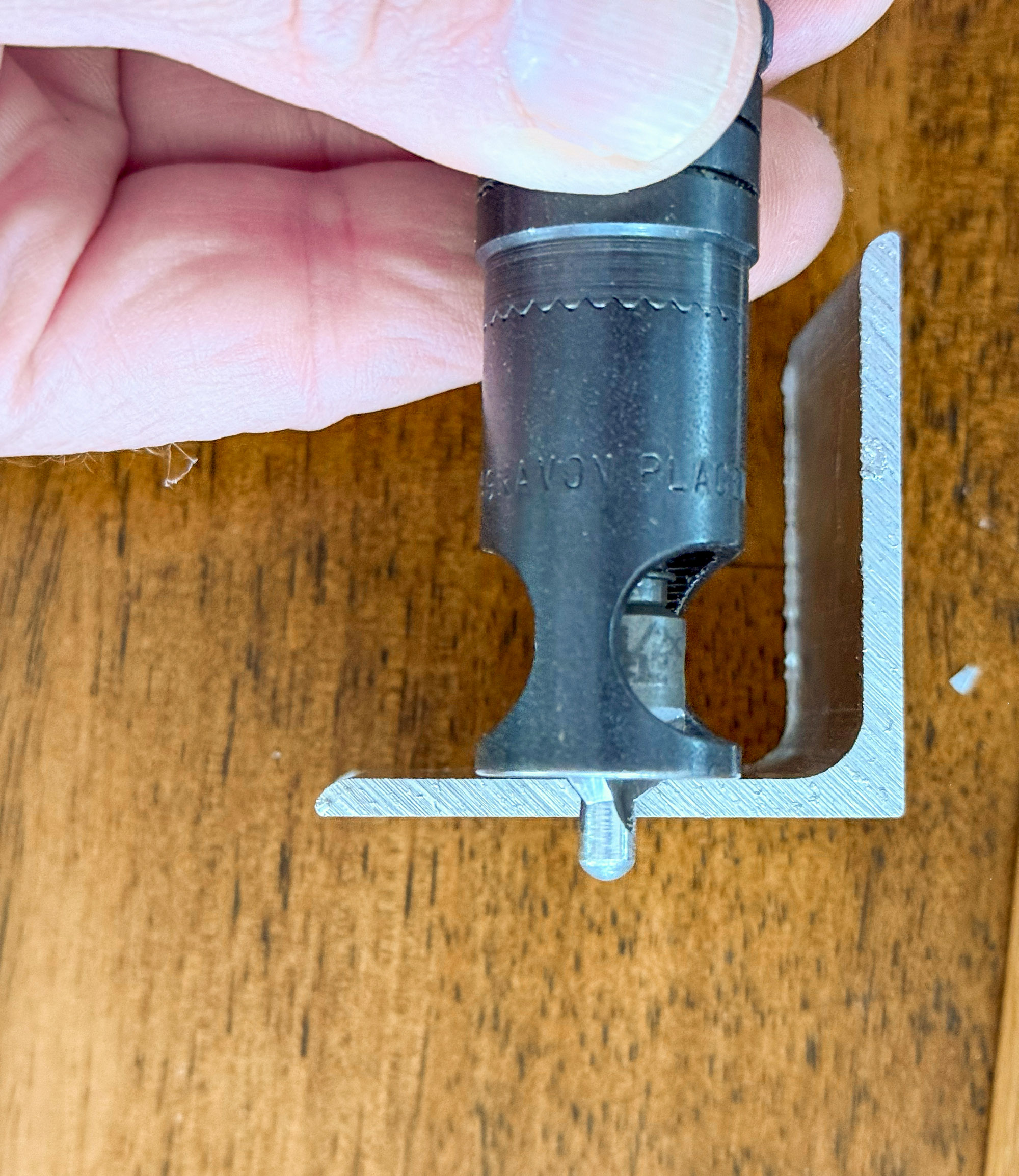
Microstop
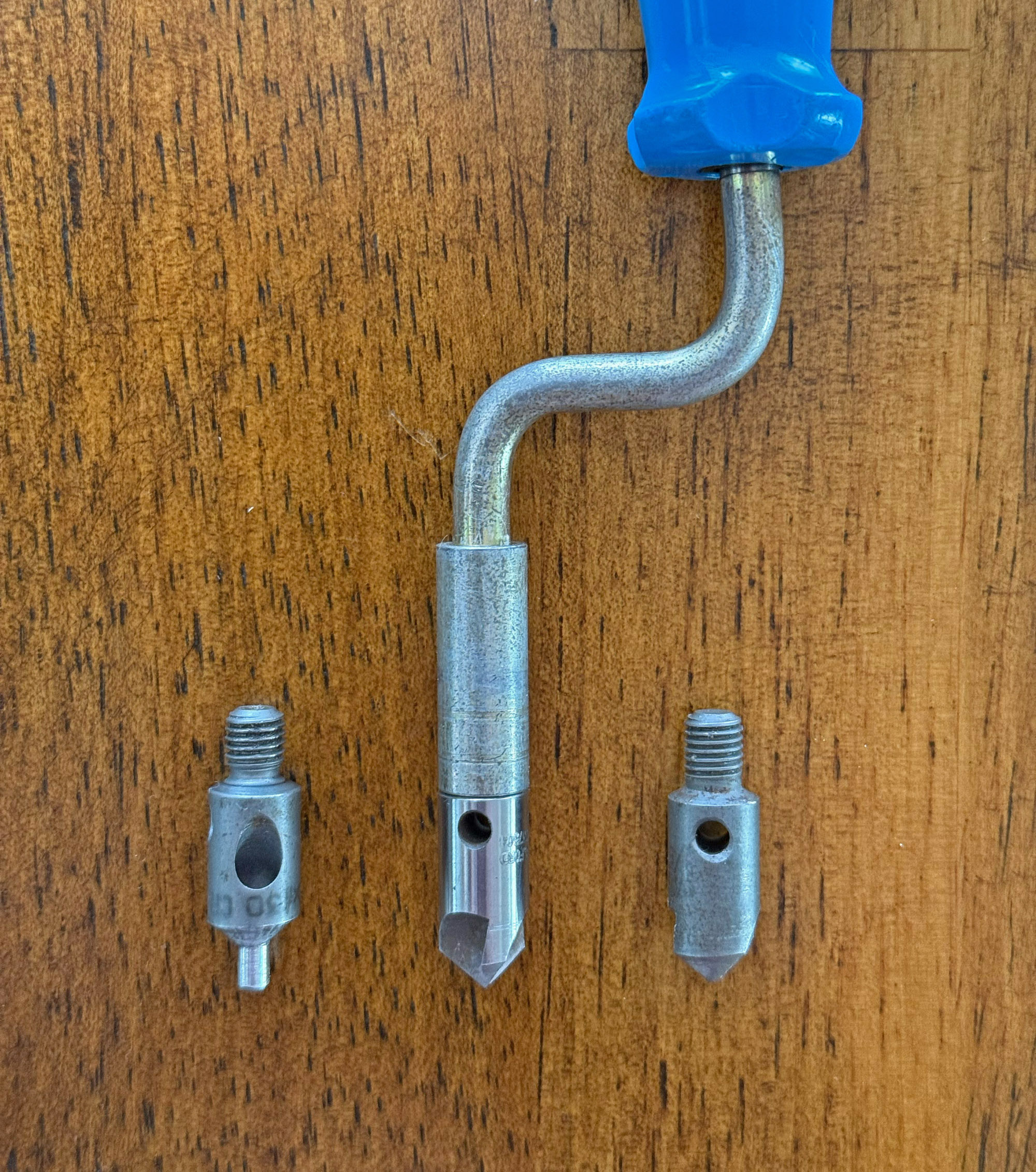
A microstop is a tool that holds a (piloted) countersink and gets chucked in a hand drill. It provides a stable base and precise depth control for cutting chatter-free countersinks centered on the fastener’s hole. That’s a lot of benefits from a $70 tool.
And that’s 546 words on countersinks. Who knew? Clearly, no one who casually asks, “Would you hand me a countersink?”
